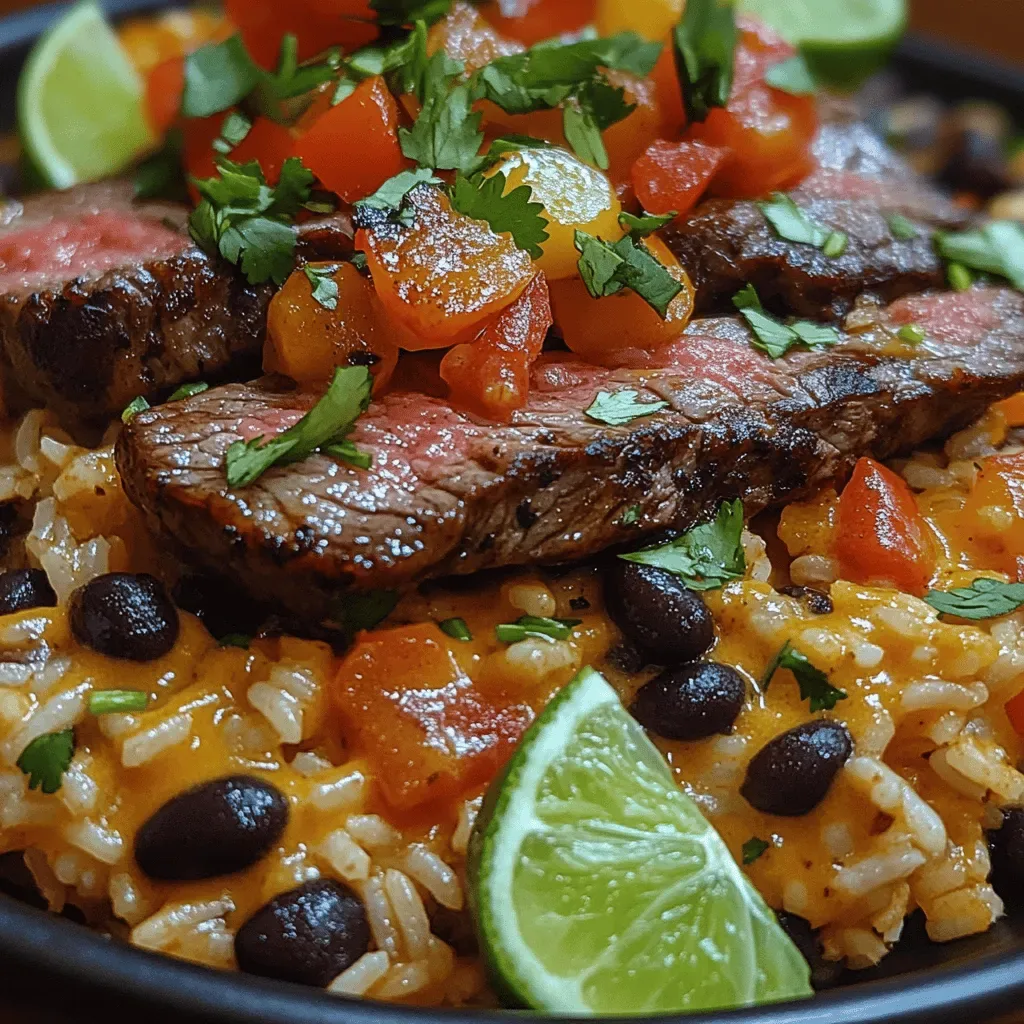
I still remember the first time I stumbled upon this dish on a breezy Saturday morning, when the sunlight was spilling through the kitchen window and the scent of fresh herbs was already dancing in the air. I was half‑asleep, clutching a mug of strong coffee, when the aroma of roasting cherry tomatoes and melting feta floated up from the oven like a warm, cheesy hug. The moment I lifted the lid, a cloud of fragrant steam hit me, carrying hints of oregano, sweet tomato juices, and the buttery tang of feta—so inviting that I could almost taste it before the first bite. That instant, I knew I had discovered a family favorite that would become a staple for brunches, lazy weeknights, and even quick weekday breakfasts.
What makes Baked Feta Eggs with Cherry Tomatoes and Veggies truly special is the way it marries simplicity with depth. The dish takes everyday pantry staples—eggs, feta, a handful of colorful vegetables—and transforms them into a symphony of flavors that feels both comforting and sophisticated. Imagine the bright pop of ruby‑red cherry tomatoes, the earthy crunch of bell peppers, and the subtle sweetness of zucchini, all cradled by creamy, slightly salty feta that melts into a golden pool as the eggs set around it. The result is a visual feast as much as a culinary one: a rustic, oven‑baked casserole that looks as beautiful as it tastes, perfect for sharing around the table or enjoying solo with a slice of crusty bread.
But here's the thing: the magic doesn't stop at the ingredients. The technique—slow roasting the veggies to coax out their natural sugars, then gently baking the eggs to a custardy perfection—creates layers of texture that keep you reaching for more. Have you ever wondered why restaurant versions of baked egg dishes taste so different? The secret lies in the balance of heat and timing, and I’m about to spill the beans (and the feta) on how you can replicate that restaurant‑level quality right at home. Trust me, once you master this, you’ll never settle for a plain scrambled egg again.
Now, you might be thinking, “Is this really worth the effort for a quick meal?” Absolutely! The prep is straightforward, the cooking time is under half an hour, and the flavors develop while you’re busy with other tasks—making it an ideal hands‑off dish for busy families. And the best part? This recipe is endlessly adaptable, so you can swap in seasonal vegetables or add a dash of spice to suit your mood. Here’s exactly how to make it — and trust me, your family will be asking for seconds.
🌟 Why This Recipe Works
- Flavor Depth: The combination of roasted cherry tomatoes and baked feta creates a sweet‑salty harmony that elevates the humble egg to gourmet status. The caramelized edges of the tomatoes add a subtle smoky note, while the feta contributes a creamy tang that cuts through the richness of the yolk.
- Texture Contrast: You get a delightful mix of soft, custardy eggs, melty feta, and slightly crisp vegetables. This contrast keeps each bite interesting and prevents the dish from feeling one‑dimensional.
- Ease of Execution: With just one pan and minimal stirring, you can go from prep to plate without juggling multiple dishes. The oven does the heavy lifting, so you can set a timer and relax.
- Time Efficiency: The total cooking time is under 45 minutes, making it perfect for weekday mornings or quick weekend brunches. While the veggies roast, you can prep the rest of the ingredients or set the table.
- Versatility: Swap out bell peppers for spinach, add a pinch of chili flakes for heat, or sprinkle fresh herbs for a bright finish. This recipe serves as a canvas for your culinary creativity.
- Nutrition Boost: Eggs provide high‑quality protein, while the veggies add fiber, vitamins, and antioxidants. Feta contributes calcium and a dose of healthy fats, making the dish balanced and satisfying.
- Ingredient Quality: Using a good block of feta and fresh, ripe cherry tomatoes makes a noticeable difference. The dish shines when each component is at its peak freshness.
- Crowd‑Pleasing Factor: Both kids and adults love the cheesy, colorful presentation, and the mild seasoning makes it universally appealing. It’s a safe bet for family gatherings or potlucks.
🥗 Ingredients Breakdown
The Foundation
The base of this dish is built around feta cheese, a brined Greek cheese known for its crumbly texture and salty tang. When baked, feta softens and spreads its creamy goodness, creating a luscious backdrop for the eggs. Choose a block of feta that’s stored in water or brine rather than pre‑crumbled, as the latter can dry out during baking. If you can, pick a high‑quality artisanal feta—its richer flavor will shine through without needing extra seasoning.
Next up are the eggs, the star of the show. Fresh, free‑range eggs have richer yolks that set beautifully and add a velvety mouthfeel. The yolk’s natural fat works in harmony with the feta, creating a luxurious sauce that seeps into every bite. If you prefer a firmer texture, you can use slightly older eggs, but I recommend fresh for that buttery melt.
Aromatics & Spices
A modest amount of olive oil is all you need to coax the vegetables into caramelization. Opt for extra‑virgin olive oil for its peppery notes, which complement the feta’s saltiness. A single clove of garlic, minced finely, adds a fragrant base that permeates the entire dish without overpowering the delicate flavors.
Herbs like dried oregano and dried basil bring a Mediterranean vibe that feels both familiar and exotic. Oregano offers an earthy, slightly bitter edge, while basil introduces a sweet, aromatic lift. If you have fresh herbs on hand, feel free to substitute half the dried amount with fresh; just remember fresh herbs lose potency under high heat, so add them toward the end.
The Secret Weapons
Cherry tomatoes are the bright, juicy component that burst open during roasting, releasing their natural sugars. Their acidity balances the richness of the feta and eggs, while their vibrant color makes the dish instantly appetizing. Look for plump, glossy tomatoes; if they’re slightly soft, they’ll caramelize even more beautifully.
Bell peppers and zucchini add crunch and a subtle sweetness. The peppers bring a hint of bitterness that deepens the flavor profile, while zucchini contributes moisture and a mild, buttery texture. Dice them into uniform ½‑inch cubes so they roast evenly and maintain a pleasant bite.
Finishing Touches
A pinch of sea salt and freshly ground black pepper are essential for seasoning every layer. Because feta is already salty, taste before adding extra salt. Finally, a sprinkle of fresh parsley or chives just before serving adds a pop of green and a fresh, herbaceous finish that brightens the whole plate.
With your ingredients prepped and ready, let's get cooking. Here's where the fun really begins…

🍳 Step-by-Step Instructions
Preheat your oven to 200°C (390°F). While the oven warms, line a large baking dish or cast‑iron skillet with parchment paper; this prevents sticking and makes cleanup a breeze. The heat should be high enough to give the vegetables a quick caramelization, yet gentle enough to let the eggs set without over‑cooking. Trust me on this one: a properly preheated oven is the secret behind that perfect golden‑brown edge.
Toss the diced bell peppers, zucchini, and halved cherry tomatoes with 2 tablespoons of olive oil, minced garlic, dried oregano, and dried basil. Spread the mixture evenly across the pan, ensuring each piece has a little space to roast rather than steam. Sprinkle a modest pinch of sea salt and freshly cracked black pepper over the veggies. The oil should coat everything lightly—too much oil will make the veggies soggy, and too little will prevent that gorgeous caramelization.
Place the block of feta in the center of the pan, pressing it gently into the bed of veggies. If you prefer a milder cheese flavor, you can crumble the feta instead of keeping it whole; the whole block creates a molten cheese island that the eggs will nestle around. Drizzle a thin stream of olive oil over the feta and the surrounding vegetables to encourage even browning.
Create four small wells around the feta using the back of a spoon, then crack one egg into each well. The yolks should sit atop the veggies, partially nestled against the feta, allowing the runny yolk to mingle with the melted cheese as it bakes. If you like your yolks firmer, give them an extra minute in the oven; if you love them runny, keep a close eye on the timing.
Transfer the pan to the preheated oven and bake for 12‑15 minutes, or until the egg whites are set and the edges of the veggies turn a deep amber. You’ll notice a gentle puffing of the feta as it softens, and the aroma will fill your kitchen with a tantalizing blend of cheese, herbs, and roasted sweetness. The visual cue you’re looking for is a lightly browned top with the egg yolks still glistening like tiny suns.
Remove the pan from the oven and let it rest for 3‑4 minutes. This short resting period allows the residual heat to finish cooking the yolks to your desired consistency and lets the flavors meld. While it rests, the cheese continues to soften, creating a silky sauce that will coat each bite.
Finish with a generous sprinkle of fresh parsley or chives, a final dash of sea salt, and a grind of black pepper. Serve the dish directly from the pan, accompanied by toasted sourdough or a warm pita to scoop up the creamy sauce. Go ahead, take a taste — you’ll know exactly when it’s right.
And there you have it! But before you dig in, let me share some tips that will take this from great to absolutely unforgettable…
🔐 Expert Tips for Perfect Results
The Taste Test Trick
Before you slide the pan into the oven, give the vegetable mixture a quick taste. A pinch of extra salt or a dash of smoked paprika at this stage can dramatically enhance the final flavor. I once served this dish with a bland finish because I skipped this quick check, and the whole table asked for more seasoning. Trust your palate; it’s the best gauge.
Why Resting Time Matters More Than You Think
Allowing the baked eggs to rest for a few minutes after they come out of the oven is crucial. During this time, the residual heat continues to gently cook the yolk, preventing an over‑cooked center while also letting the cheese settle into a smooth sauce. I once rushed this step and ended up with a slightly rubbery yolk, which was a disappointing surprise for my guests.
The Seasoning Secret Pros Won’t Tell You
A pinch of smoked sea salt added just before serving can give the dish a subtle, smoky depth that mimics a wood‑fired oven. This tiny adjustment can elevate the flavor profile without overwhelming the delicate balance of feta and veggies. It’s a pro tip I learned from a pastry chef who swears by smoked salts for all his savory dishes.
Choosing the Right Pan
A cast‑iron skillet distributes heat evenly, creating a uniform roast and a beautiful crust on the vegetables. If you don’t have cast iron, a sturdy ceramic or glass baking dish works fine, but avoid thin metal trays that can cause hot spots. The right pan ensures that each component cooks at the same rate, delivering consistent texture throughout.
Balancing Moisture
If you notice excess liquid pooling at the bottom of the pan, it’s usually from the tomatoes releasing too much juice. To counter this, spread the tomatoes out in a single layer and consider sprinkling a light dusting of breadcrumbs or a drizzle of extra oil to absorb excess moisture. I once learned this the hard way when my first batch turned into a soggy scramble.
🌈 Delicious Variations to Try
One of my favorite things about this recipe is how versatile it is. Here are some twists I've tried and loved:
Mediterranean Spinach & Feta
Swap the bell peppers and zucchini for a generous handful of fresh spinach. The spinach wilts quickly, adding a vibrant green color and a slightly earthy flavor that complements the feta beautifully. This variation is perfect for a lighter, spring‑time version of the dish.
Spicy Harissa Kick
Add a teaspoon of harissa paste to the olive oil before tossing the vegetables. The North‑African spice blend introduces smoky heat, making the dish ideal for those who love a little fire. Pair it with a dollop of cooling Greek yogurt to balance the heat.
Cheesy Mushroom Medley
Include sliced cremini or button mushrooms in the vegetable mix. Mushrooms bring an umami richness that deepens the overall flavor, and they soak up the feta’s salty juices wonderfully. This version feels heartier and is perfect for cooler evenings.
Herb‑Infused Goat Cheese
Replace feta with a soft goat cheese mixed with fresh thyme and rosemary. Goat cheese melts into a silky sauce with a tangier profile, offering a fresh take on the classic. The herbs add a fragrant note that elevates the dish’s aroma.
Sweet‑And‑Savory Apple
Dice a firm apple (like Granny Smith) and add it to the veggie mix. The apple’s subtle sweetness and crisp texture contrast nicely with the salty feta, creating a surprisingly delightful flavor balance. This variation is a hit for brunch tables where you want a touch of sweetness without reaching for syrup.
Protein‑Packed Turkey Bacon
Crumble cooked turkey bacon over the top before baking. The smoky, salty bacon adds a protein boost and a crunchy texture that pairs beautifully with the soft eggs and creamy cheese. It’s a great way to make the dish more filling for a post‑workout meal.
📦 Storage & Reheating Tips
Refrigerator Storage
Allow the baked feta eggs to cool to room temperature before transferring them to an airtight container. Store in the refrigerator for up to 3 days. When reheating, add a splash of milk or broth to restore moisture, then gently warm in a skillet over low heat.
Freezing Instructions
This dish freezes well if you separate the eggs from the feta. Portion the roasted vegetables and feta into freezer‑safe bags, then store the raw eggs in a separate container. Freeze for up to 2 months. To reheat, thaw overnight in the fridge, then bake at 180°C (350°F) for 10‑12 minutes until heated through.
Reheating Methods
The trick to reheating without drying it out? A splash of water or broth, covered with foil, and a quick 5‑minute blast in a 180°C (350°F) oven. Alternatively, microwave on medium power for 45 seconds, then finish in a hot skillet to regain that crisp edge. Avoid high heat, which can toughen the eggs and make the feta rubbery.