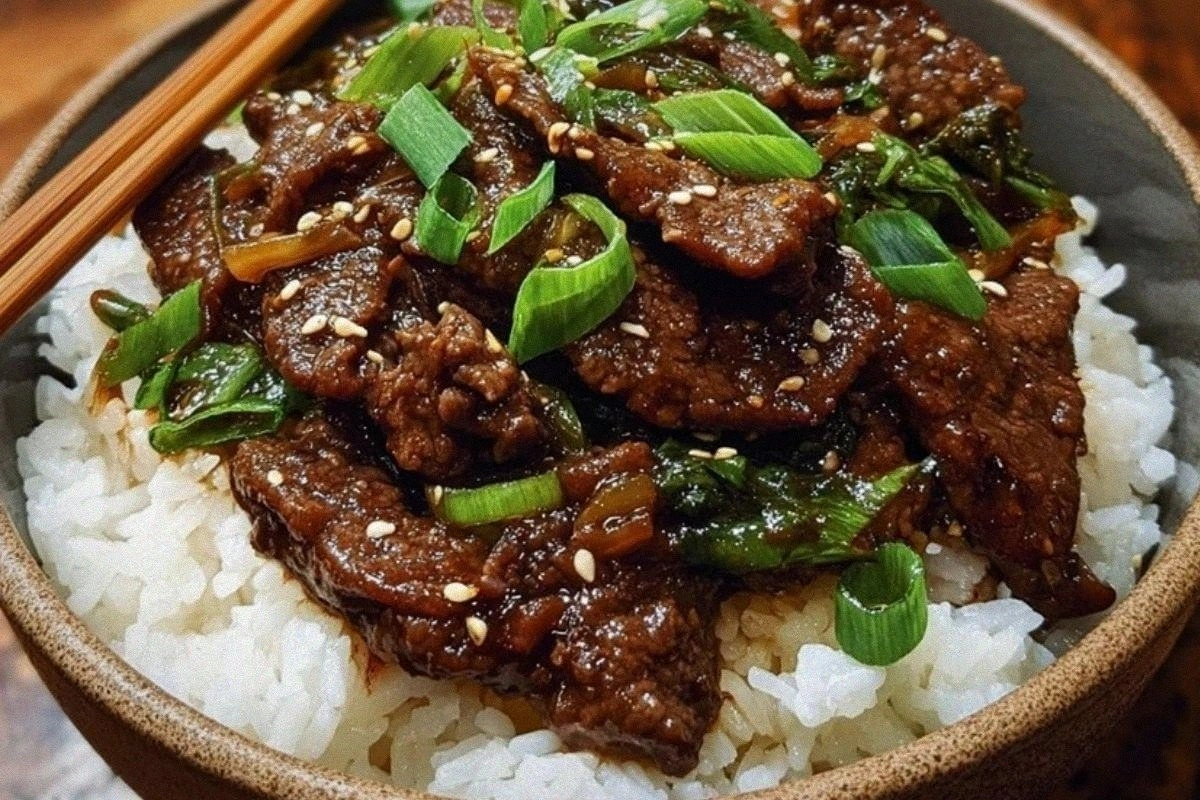
Mongolian Beef Easy Flavor Packed Stir Fry
 Save
Save
The first time I tried to recreate that restaurant‑style Mongolian beef at home, I was standing in my tiny kitchen on a rainy Thursday evening, the kind of night when the wind whistles through the cracked window and the scent of the city feels like a distant memory. I remember the moment I lifted the lid of the pan and a cloud of glossy, caramel‑brown steam burst out, carrying with it the sweet perfume of garlic, ginger, and a whisper of brown sugar. It was as if the whole room inhaled at once, and my stomach gave a little rumble that echoed the thunder outside. That instant, the simple act of cooking turned into a celebration of flavors, textures, and a story I was eager to share with anyone who would listen.
What makes this dish truly special is its ability to marry the tender bite of flank steak with a sauce that is both sweet and savory, yet never overwhelms. The secret lies in the balance of a few humble pantry staples, each playing a starring role in a performance that feels both familiar and exciting. Imagine thin strips of beef, each coated in a light dusting of cornstarch, sizzling quickly in hot oil until they develop a delicate crust that locks in juiciness. Then, a quick splash of soy sauce and a drizzle of brown sugar transform the pan into a glossy, caramelized wonderland, while garlic and ginger add layers of aromatic depth that make your mouth water before the first bite.
But wait—there’s a little twist that most home cooks overlook, and it’s the key to that restaurant‑level sheen and the melt‑in‑your‑mouth texture. I’ll reveal that secret a little later, after we walk through the steps together. Trust me, once you discover it, you’ll never settle for a bland stir‑fry again. The best part? This recipe doesn’t demand a mountain of prep time or a pantry full of exotic ingredients. With a few simple steps, you’ll have a dish that feels like a weekend treat, yet it’s perfect for a quick weeknight dinner.
Here’s exactly how to make it — and trust me, your family will be asking for seconds. From selecting the perfect flank steak to mastering the art of the quick‑sear, I’ll walk you through every nuance. By the end, you’ll not only have a plate of glorious Mongolian beef, but also a handful of tips that will elevate all your stir‑fries. Ready to dive in? Let’s get started, and soon you’ll be hearing the sizzle and tasting the magic yourself.
🌟 Why This Recipe Works
- Flavor Depth: The combination of soy sauce, brown sugar, garlic, and ginger creates a multi‑layered sauce that is simultaneously salty, sweet, and aromatic, delivering a depth of flavor that mimics the complexity of restaurant dishes.
- Texture Harmony: Lightly coating the beef in cornstarch before searing gives each strip a crisp exterior while keeping the interior juicy, achieving that perfect contrast between crunch and melt‑in‑the‑mouth tenderness.
- Speed & Simplicity: This stir‑fry comes together in under 45 minutes, making it an ideal weeknight solution without sacrificing taste or visual appeal.
- Versatility: While the core flavors shine on their own, the recipe is a flexible canvas—add vegetables, swap proteins, or adjust the heat to suit any palate.
- Nutrition Balance: Using lean flank steak provides high‑quality protein, while the modest amount of sugar and oil keeps the dish satisfying without being overly heavy.
- Crowd‑Pleaser Factor: The glossy, caramelized sauce and aromatic steam are instantly recognizable, making it a safe bet for both kids and adults who love a little sweet‑savory magic.
🥗 Ingredients Breakdown
The Foundation: Beef & Starch
Flank steak is the heart of this dish. Its long grain fibers make it ideal for quick, high‑heat cooking, resulting in a tender bite when sliced thinly against the grain. When you coat the strips with a thin layer of cornstarch, you create a protective barrier that locks in juices while also giving the meat a lightly crisped surface. If you can’t find flank steak, skirt steak or even a well‑trimmed sirloin can serve as a decent substitute, though the texture will vary slightly.
Aromatics & Spices: Garlic, Ginger & Red Pepper Flakes
Garlic and ginger are the dynamic duo that bring bright, pungent notes to the sauce. Fresh garlic cloves, minced finely, release a sweet, caramelizing aroma once they hit the hot oil, while grated ginger adds a warm, slightly peppery zing that cuts through the richness of the beef. Red pepper flakes are optional, but they add a subtle heat that balances the sweetness of the brown sugar—just a pinch can turn a mellow dish into a lively one.
The Secret Weapons: Soy Sauce, Brown Sugar & Water
Soy sauce is the salty backbone, providing depth and a hint of umami that ties the whole sauce together. Brown sugar contributes caramel notes and a glossy sheen, while a splash of water helps to deglaze the pan, ensuring that every browned bit of meat and aromatics dissolves into the sauce rather than sticking to the bottom. The ratio of these three components is crucial; too much soy can make it overly salty, while too much sugar can swamp the savory elements.
Finishing Touches: Green Onions & Vegetable Oil
Green onions, sliced thinly, add a fresh, mildly sharp contrast that brightens the dish right before serving. They also contribute a pleasant crunch if added at the end rather than cooking them too long. As for the oil, a high‑smoke‑point vegetable oil like canola or grapeseed is ideal because it can handle the high heat needed for a quick sear without burning, preserving the clean flavor of the beef.
With your ingredients prepped and ready, let's get cooking. Here's where the fun really begins, and I’ll share a few insider tricks that make this dish stand out from the crowd.
🍳 Step-by-Step Instructions
🔐 Expert Tips for Perfect Results
The Taste Test Trick
Before you finish cooking, always taste the sauce and adjust the seasoning. A quick dip of a spoon into the pan can reveal whether you need a pinch more salt, a splash more soy sauce, or an extra drizzle of brown sugar. Trust your palate—if the sauce feels a little thin, let it simmer a few seconds longer; if it feels too thick, add a splash of water. This real‑time tweaking ensures that every bite hits the perfect balance.
Why Resting Time Matters More Than You Think
After searing, letting the beef rest for a couple of minutes before returning it to the pan helps the juices redistribute. I once rushed this step and ended up with a few dry strips, which taught me that patience truly pays off. The brief rest also allows the cornstarch coating to set, ensuring that each piece retains its light crispness when re‑introduced to the sauce.
The Seasoning Secret Pros Won’t Tell You
A dash of rice vinegar or a squeeze of fresh lime juice at the very end can brighten the sauce, cutting through the sweetness and adding a subtle tang. This is a technique I borrowed from a Chinese chef friend who swears by the “acid lift” to keep sauces from feeling heavy. Try it once and you’ll notice how the flavors pop like fireworks on your tongue.
Heat Management Mastery
High heat is essential for that quick sear, but you don’t want the sauce to scorch. Once the soy‑sugar mixture is added, reduce the heat to medium‑high and keep the pan moving. This prevents burning while still allowing the sauce to thicken quickly. If you see the edges of the sauce darkening too fast, lower the flame a notch and keep stirring.
The Garnish Game
Beyond green onions, toasted sesame seeds or a handful of chopped cilantro can add texture and fresh flavor. I love sprinkling a few seeds right before serving—they add a pleasant crunch and a nutty aroma that complements the sweet‑savory base. This small addition turns a simple stir‑fry into a restaurant‑worthy plate.
🌈 Delicious Variations to Try
One of my favorite things about this recipe is how versatile it is. Here are some twists I've tried and loved:
Spicy Szechuan Twist
Add a tablespoon of Szechuan peppercorn oil and a handful of sliced bell peppers. The peppercorn oil introduces a numbing heat that pairs beautifully with the sweet sauce, while the bell peppers add color and crunch.
Citrus‑Infused Mongolian
Replace half the water with freshly squeezed orange juice and finish with a zest of lime. The citrus brightens the dish, creating a fresh, summery flavor profile that works wonderfully with grilled chicken as a protein swap.
Veggie‑Loaded Delight
Stir in broccoli florets, snap peas, and sliced carrots after the aromatics. These vegetables absorb the sauce, adding nutritional value and a satisfying bite without overwhelming the beef.
Garlic‑Lover’s Version
Double the amount of garlic and add a few roasted garlic cloves at the end for a deep, mellow garlic flavor. This version is perfect for those who can’t get enough of that aromatic punch.
Low‑Sugar Light
Swap brown sugar for a natural sweetener like coconut sugar or a drizzle of honey, and reduce the amount by half. The sauce stays sweet but with fewer refined sugars, making it a lighter option for health‑conscious diners.
📦 Storage & Reheating Tips
Refrigerator Storage
Allow the stir‑fry to cool to room temperature before transferring it to an airtight container. It will keep fresh for up to three days in the fridge. When storing, keep the sauce separate from the rice or noodles to prevent sogginess.
Freezing Instructions
Portion the cooked beef and sauce into freezer‑safe bags, removing as much air as possible. Freeze for up to two months. To reheat, thaw overnight in the refrigerator, then warm gently in a skillet with a splash of water or broth to revive the glossy texture.
Reheating Methods
The trick to reheating without drying it out? A splash of water or broth in a hot pan, then cover and stir until the sauce is glossy again. Microwave works in a pinch—cover the dish, heat in 30‑second bursts, and stir between intervals to ensure even heating.
❓ Frequently Asked Questions
Can I use a different cut of beef?
Is it okay to use low‑sodium soy sauce?
How do I prevent the beef from becoming tough?
Can I make this dish vegetarian?
What side dishes pair best with this stir‑fry?
How long can leftovers be kept?
Do I have to use cornstarch?
Can I add vegetables directly into the sauce?
Serve the Mongolian beef hot, straight from the pan, over steamed jasmine rice or buttery noodles. The steam rising from the bowl will carry the fragrant notes of garlic, ginger, and caramelized sauce, inviting everyone to dive in. Garnish with the remaining green onions and, if you like, a few extra red pepper flakes for visual contrast. Go ahead, take a taste — you’ll know exactly when it’s right. The dish should be glossy, the beef tender, and the sauce just sweet enough to coat the rice without drowning it.
Similar Recipes
 Dinner
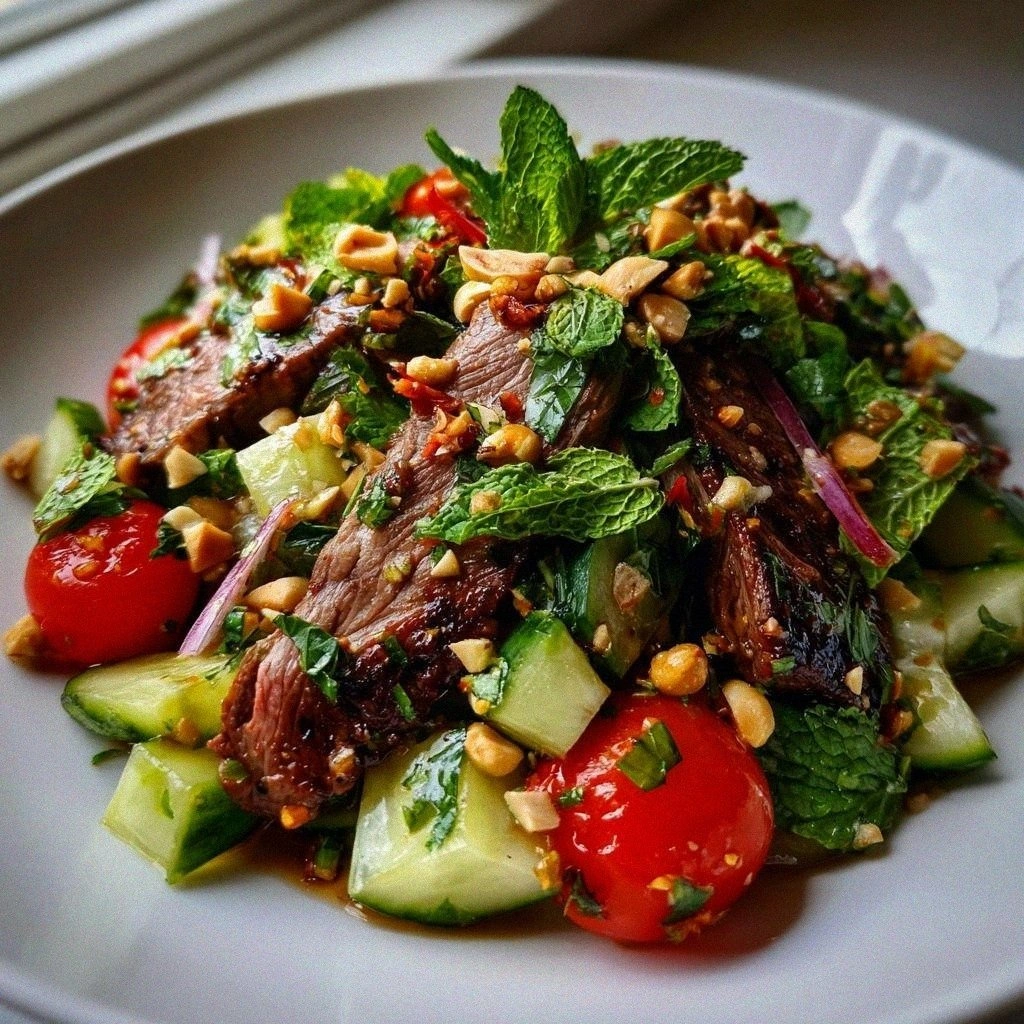
Pittige Thaise beef salad in slechts 20 minuten klaar
Learn how to make delicious Pittige Thaise beef salad in slechts 20 minuten klaar. Easy recipe…
 Dinner
Grilled Chicken Mango Salsa Wrap: A Flavorful Fusion of Freshness and Delight
Delicious Grilled Chicken Mango Salsa Wrap: A Flavorful Fusion of Freshness and Delight
 Dinner
Creamy Corn and Chicken Skillet Pie: Step-by-Step Instructions and Serving Suggestions
Delicious Creamy Corn and Chicken Skillet Pie: Step-by-Step Instructions and Serving Suggestions
 Dinner
Savory Tuna Spinach Delight: A Delicious and Nutritious Casserole Recipe
Delicious Savory Tuna Spinach Delight: A Delicious and Nutritious Casserole Recipe
 Dinner
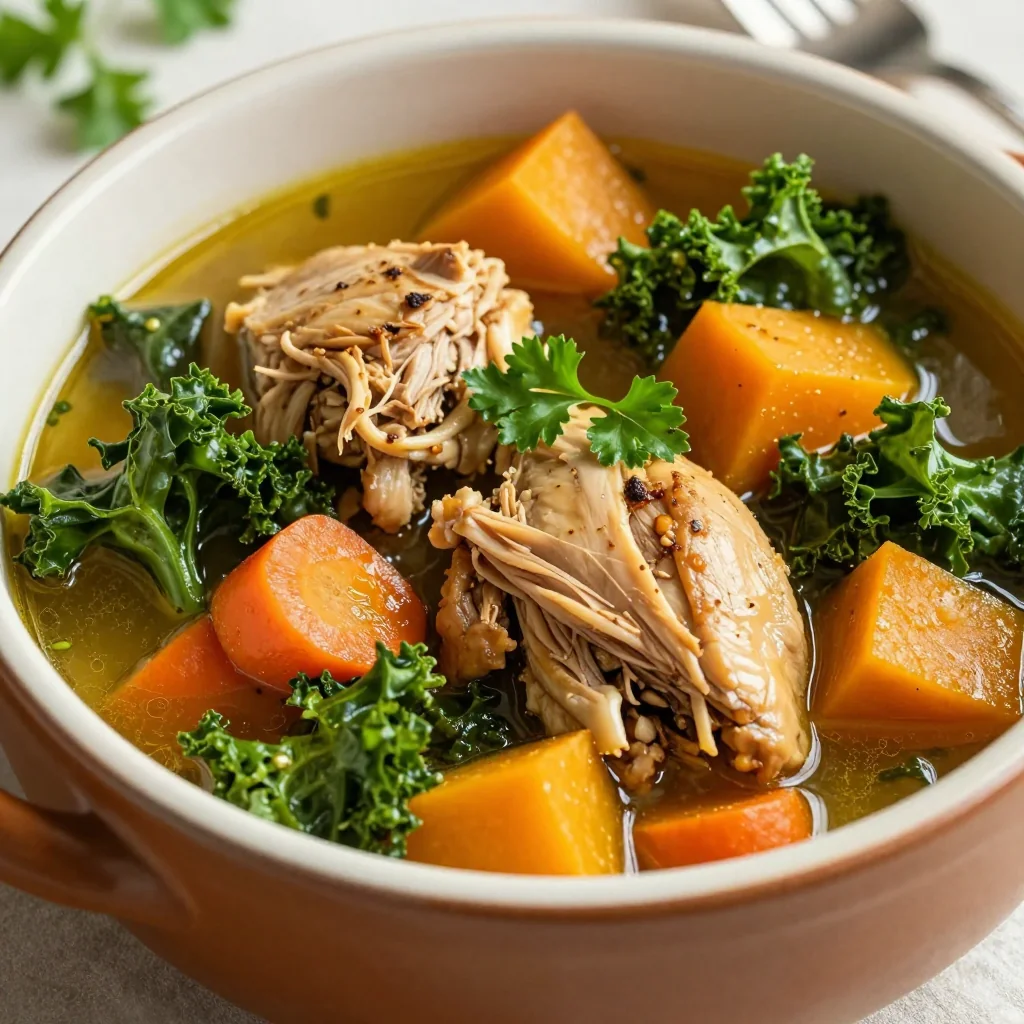
slow cooker chicken and kale stew with carrots and winter squash for dinners
Learn how to make delicious slow cooker chicken and kale stew with carrots and winter squash…
 Dinner
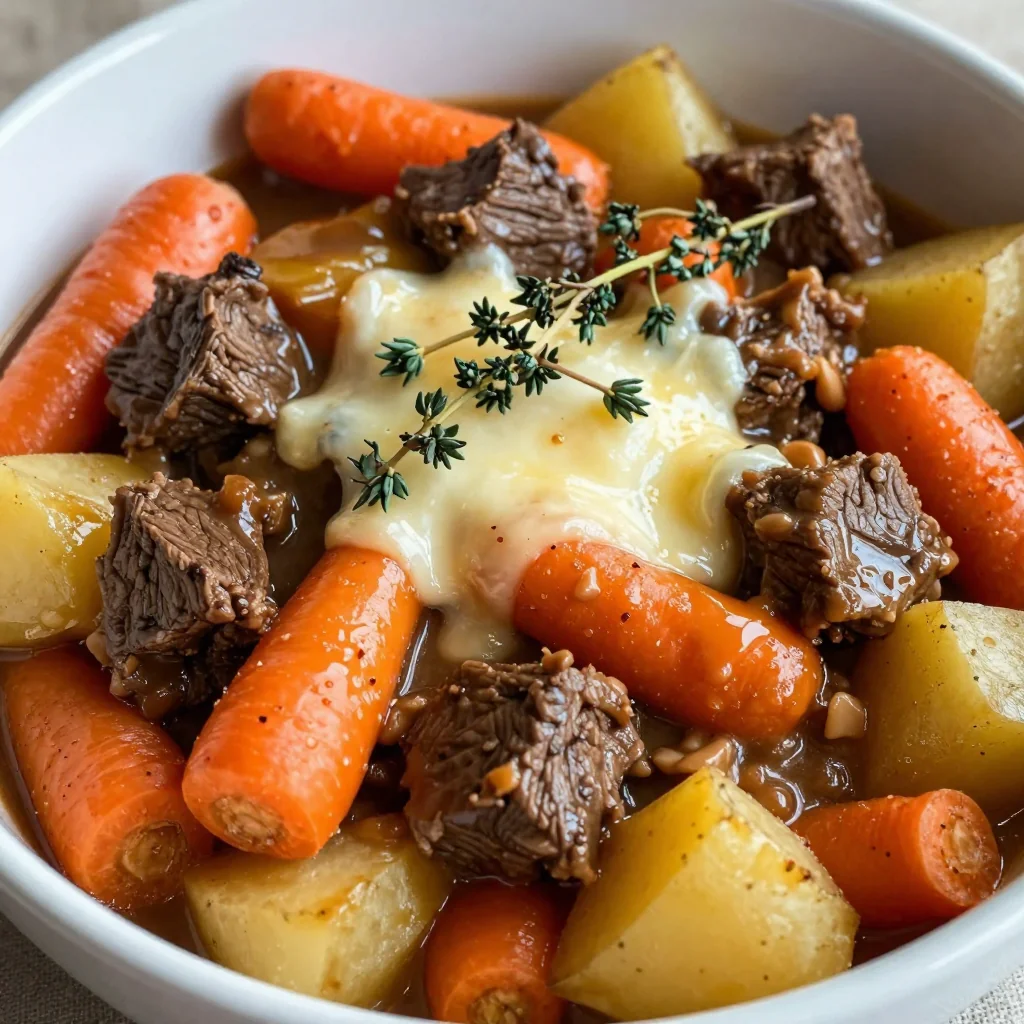
budgetfriendly winter vegetable and beef casserole
Try our budget-friendly winter vegetable and beef casserole recipe, perfect for cold nights. Get the easy…
 Dinner
Turkey Alfredo Potato Bowls
Discover a comforting blend of tender turkey, al dente pasta, and creamy Alfredo sauce tossed with…
 Dinner
warm garlic roasted cabbage and root vegetables with lemon zest
Roast cabbage, carrots & parsnips with garlic & lemon zest for a cozy vegan main. Easy…

Lucy
I cook these recipes at home before they ever land here — simple ingredients, clear steps.