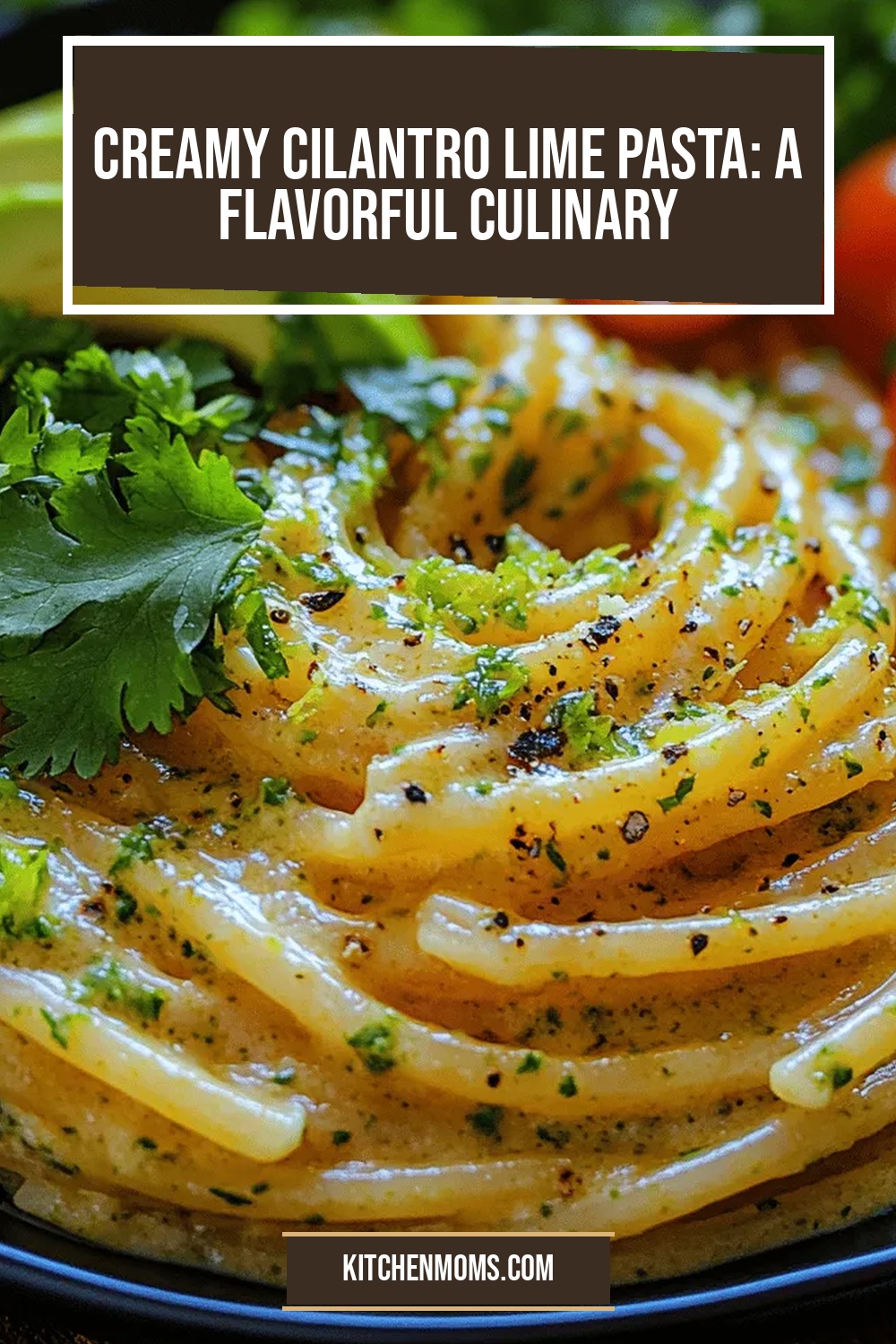
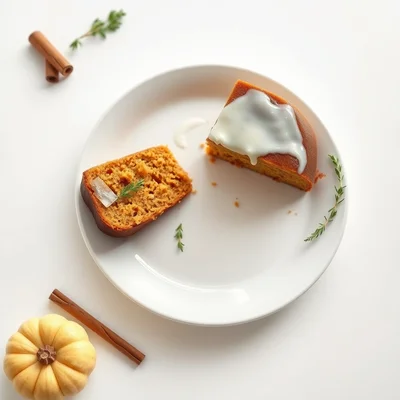
Pumpkin Cinnamon Pound Cake
 Save
Save
Why You'll Love This Recipe
I still remember the first time I tasted a pumpkin‑cinnamon pound cake. It was a chilly October afternoon in my grandmother’s kitchen, the scent of fresh‑baked bread mingling with the earthy aroma of canned pumpkin and a handful of cracked cinnamon sticks. She was humming an old folk song while her hands moved rhythmically, creaming butter and sugar until the mixture turned pale and airy. The moment the batter hit the oven, the whole house seemed to inhale the fragrant steam, and I knew I was witnessing a tradition that would stay with me forever.
Growing up, holidays were always anchored by a single dessert that could summon memories in an instant. For us, that was a humble pound cake infused with pumpkin and warm spices. Over the years, I experimented with countless variations—adding nutmeg, swapping butter for oil, even trying gluten‑free flours—but nothing captured the perfect balance of dense crumb and melt‑in‑your‑mouth sweetness quite like the original. The recipe I’m sharing today is the result of that lifelong quest: a streamlined, easy‑to‑follow version that honors the classic texture while embracing modern convenience.
What makes this pound cake truly special is its ability to be both a comforting staple and a show‑stopping centerpiece. The pumpkin puree not only adds moisture and a subtle sweetness but also brings a golden hue that looks stunning on any platter. Cinnamon, paired with a whisper of nutmeg and clove, creates a layered spice profile that deepens as the cake cools. Whether you’re serving it at a family brunch, a Thanksgiving gathering, or simply craving a cozy treat on a rainy night, this Pumpkin Cinnamon Pound Cake promises to deliver the exact feeling of home‑cooked bliss.
Ingredients
Selecting the right ingredients is the foundation of a flawless pound cake. For this recipe, I recommend using unsalted butter at room temperature, which will cream easily with the sugar and create the airy texture we crave. The pumpkin puree should be 100 % pure pumpkin—not pumpkin pie filling—to avoid added sugars and spices that could overwhelm the balance. Freshly ground cinnamon delivers a brighter flavor than pre‑ground, and a pinch of fine sea salt amplifies every note. If you need to adjust for dietary restrictions, each component offers a thoughtful substitution without compromising the final result.
Instructions
Step 1: Prepare Your Tools and Oven
Begin by preheating your oven to 350°F (175°C). While the oven warms, generously grease a 9‑inch × 5‑inch loaf pan with butter or non‑stick spray, then line the bottom with parchment paper for a clean release. This dual method ensures the cake won’t stick and makes slicing effortless. Meanwhile, set a stand‑mixing bowl or a large mixing bowl within easy reach, and gather a rubber spatula, electric mixer (hand or stand), and a kitchen scale if you prefer weight measurements for precision. Taking a few minutes now saves you from scrambling mid‑process.
Step 2: Cream Butter and Sugar
Place the softened butter into the mixing bowl. Using the electric mixer on medium‑high speed, beat the butter for about 2 minutes until it becomes pale, fluffy, and slightly increased in volume. Gradually add the granulated sugar, a tablespoon at a time, allowing each addition to incorporate fully before adding the next. Continue beating for another 3‑4 minutes. The mixture should look light, airy, and have a faint glossy sheen—this aeration is critical for the cake’s tender crumb. Scrape down the sides of the bowl regularly to ensure an even blend.
Step 3: Incorporate Eggs One at a Time
Crack the eggs into a small bowl to avoid shells, then add them to the butter‑sugar mixture one at a time. After each egg, beat on medium speed until fully incorporated and the batter looks smooth. Adding the eggs gradually prevents curdling and ensures the emulsion stays stable. You’ll notice the batter thickening slightly after each addition; this is normal. If the mixture looks too thick, pause and add a splash of the warmed milk to loosen it before the next egg.
Step 4: Blend Dry Ingredients
In a separate bowl, whisk together the all‑purpose flour, ground cinnamon, nutmeg, cloves, and fine sea salt. Whisking ensures the spices are evenly distributed throughout the flour, preventing pockets of spice that could create uneven flavor. Once combined, set the dry mixture aside. This step also aerates the flour, which contributes to a lighter crumb when folded into the wet ingredients later.
Step 5: Combine Pumpkin and Milk
In a small measuring cup, whisk together the pumpkin puree and warmed milk until smooth. The warmth of the milk helps the pumpkin integrate seamlessly, creating a homogenous liquid that will lend moisture and a subtle sweetness to the batter. If the pumpkin appears lumpy, give it a quick blend with a handheld whisk or stir vigorously until no lumps remain.
Step 6: Incorporate Wet Ingredients into the Butter Mixture
With the mixer on low speed, slowly pour the pumpkin‑milk mixture into the butter‑egg batter. Add it in a steady stream, allowing each portion to be fully absorbed before adding the next. This gradual incorporation prevents the batter from separating and ensures a smooth, glossy texture. Once the liquid is fully mixed in, the batter should look slightly looser than a traditional pound cake batter but still thick enough to hold its shape when lifted with a spatula.
Step 7: Fold in the Dry Ingredients
Sprinkle the whisked dry mixture over the wet batter in three additions. Using a rubber spatula, gently fold the flour in a cutting motion—lift from the bottom, turn over, and repeat—until no streaks of flour remain. Avoid over‑mixing; the goal is to combine just enough to incorporate the flour while preserving the air bubbles already trapped in the batter. Over‑mixing can develop gluten, leading to a tougher crumb.
Step 8: Transfer Batter to the Pan
Spoon the batter into the prepared loaf pan, smoothing the top with a spatula. The batter should fill the pan about three‑quarters full, leaving room for a gentle rise. Tap the pan lightly on the countertop three times to release any large air pockets and to settle the batter evenly. This step also helps the cake bake uniformly, preventing a domed top.
Step 9: Bake Until Golden and Set
Place the pan on the middle rack of the preheated oven. Bake for 45‑55 minutes, or until a toothpick inserted into the center emerges clean or with just a few moist crumbs. The top should be a deep amber color, and the edges will pull slightly away from the sides of the pan. Rotate the pan halfway through the baking time to ensure even browning, especially if your oven has hot spots.
Step 10: Cool, Unmold, and Serve
Once baked, remove the pan from the oven and set it on a wire rack. Allow the cake to cool in the pan for 15 minutes; this short rest lets the structure set, making unmolding easier. After 15 minutes, run a thin knife around the edges, then gently invert the cake onto the rack. Peel away the parchment paper and let the cake cool completely before slicing. Serve warm with a dusting of powdered sugar, a drizzle of caramel sauce, or a thick swirl of cream cheese frosting for added decadence.
Expert Tips
Tip #1: Use Fresh Pumpkin Puree
Freshly roasted pumpkin puree retains more natural sugars and a brighter orange hue than canned versions that may contain added sugars or preservatives. Roast the pumpkin halves at 400°F until tender, scoop out the flesh, and blend until silky. This extra step adds depth to the flavor profile and yields a moister crumb.
Tip #2: Chill the Bowl Between Steps
If your kitchen is warm, place the mixing bowl in the refrigerator for 5‑10 minutes after creaming the butter and sugar. This helps maintain a firm butter structure, preventing the batter from becoming overly soft, which can lead to a dense, greasy cake.
Tip #3: Measure Flour Correctly
Spoon the flour into your measuring cup and level it with a straight edge. Packing flour leads to a heavier batter, which can produce a tighter crumb. Proper measurement ensures the cake stays light and tender.
Tip #4: Don’t Over‑Mix After Adding Flour
Over‑mixing develops gluten, turning the pound cake into a bread‑like texture. Fold just until the flour disappears; a few small streaks are okay and will disappear during baking.
Tip #5: Use an Oven Thermometer
Oven temperatures can vary by up to 25 °F. An inexpensive thermometer ensures you bake at the true 350°F, preventing under‑ or over‑baking that could affect texture and rise.
Tip #6: Cool Inside the Pan Briefly
Allowing the cake to rest 10‑15 minutes in the pan sets the crumb and makes it easier to release without breaking. Skipping this step often results in a crumbly slice.
Nutrition
Per serving (1 slice, approx. 1/12 of cake)
Frequently Asked Questions
Can I make this cake gluten‑free?
How do I store leftovers?
Can I add nuts or dried fruit?
What if my cake is too dense?
Can I use a different pan shape?
How long can I keep the cake frozen?
Similar Recipes
 Desserts
Zesty Mini Key Lime Cheesecakes Recipe
Delicious Zesty Mini Key Lime Cheesecakes Recipe
 Desserts
Frozen Yogurt Lemon Pie Cookie Squares
Delicious Frozen Yogurt Lemon Pie Cookie Squares
 Desserts
Frozen Yogurt Matcha Green Tea Squares: A Refreshing Treat
Delicious Frozen Yogurt Matcha Green Tea Squares: A Refreshing Treat
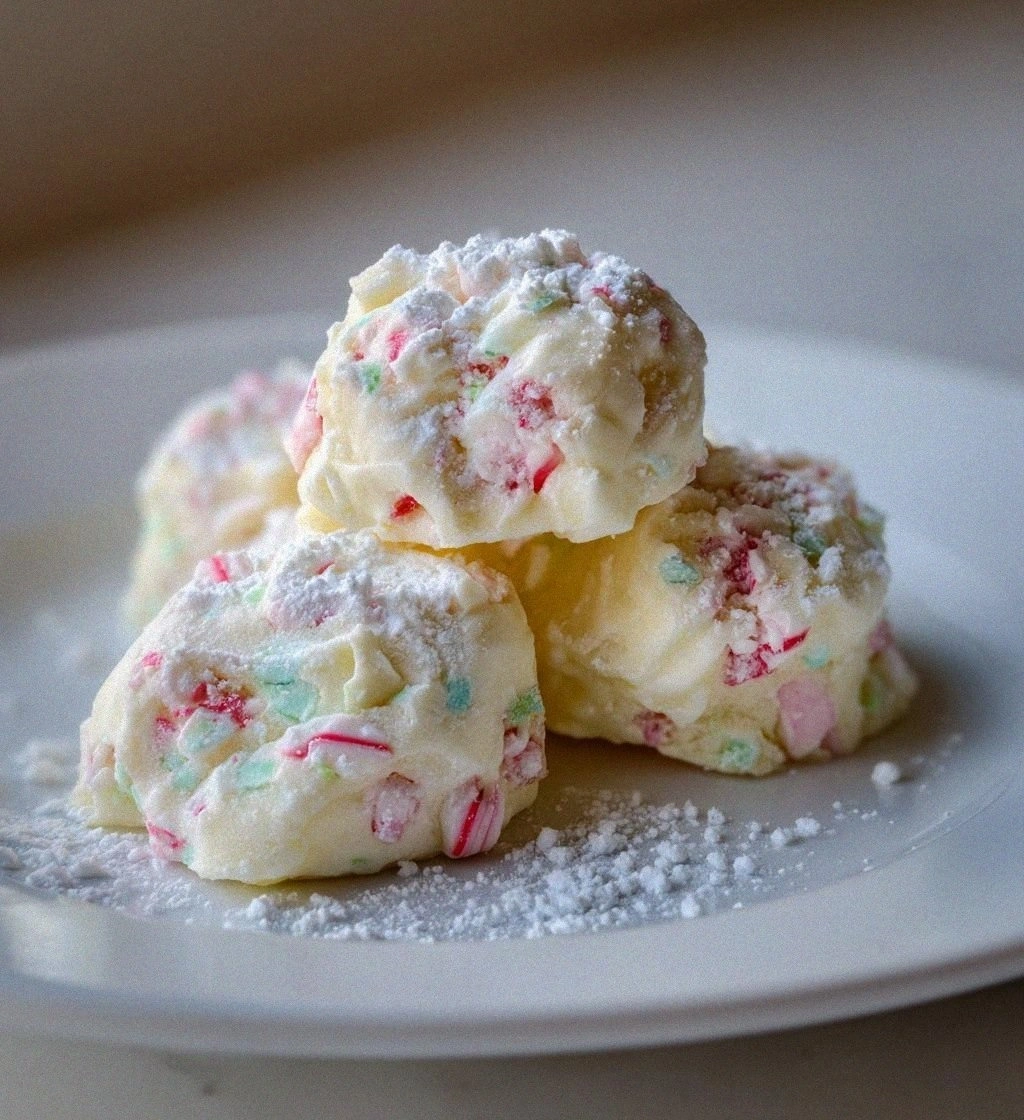 Desserts
Peppermint Meltaways
Learn how to make delicious Peppermint Meltaways. Easy recipe with step-by-step instructions.
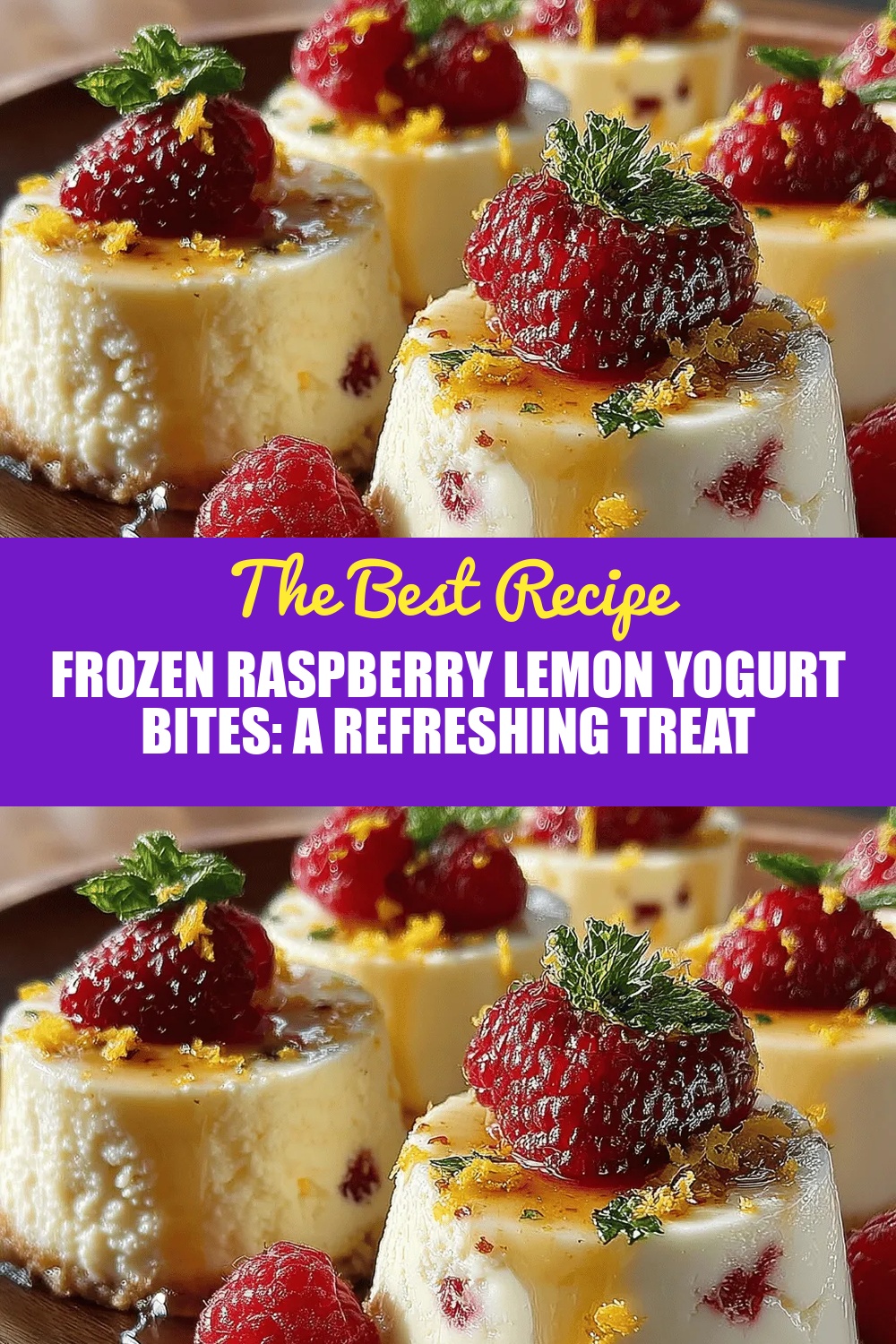 Desserts
Frozen Raspberry Lemon Yogurt Bites: A Refreshing Treat
Delicious Frozen Raspberry Lemon Yogurt Bites: A Refreshing Treat
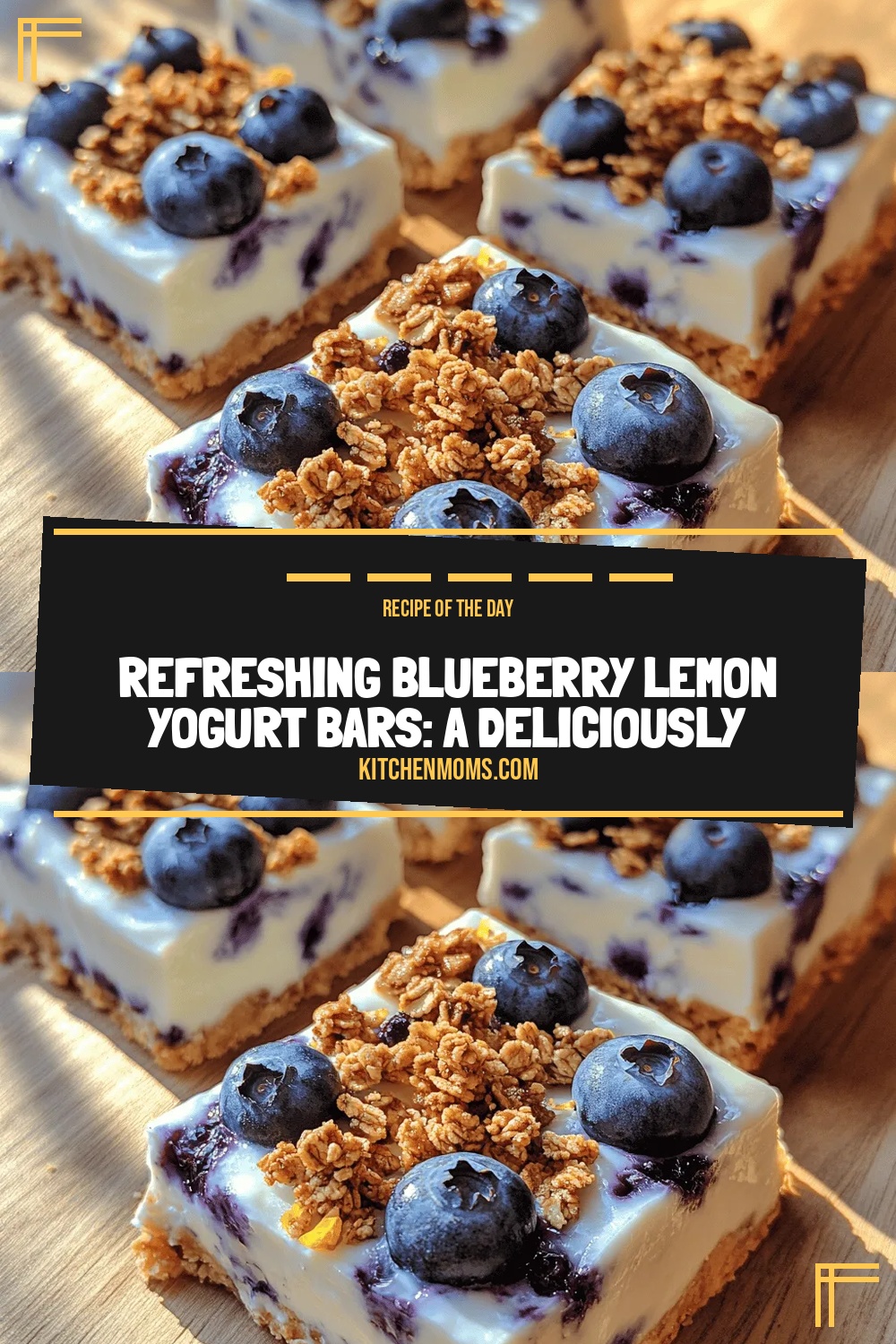 Desserts
Refreshing Blueberry Lemon Yogurt Bars: A Deliciously Healthy Treat
Delicious Refreshing Blueberry Lemon Yogurt Bars: A Deliciously Healthy Treat
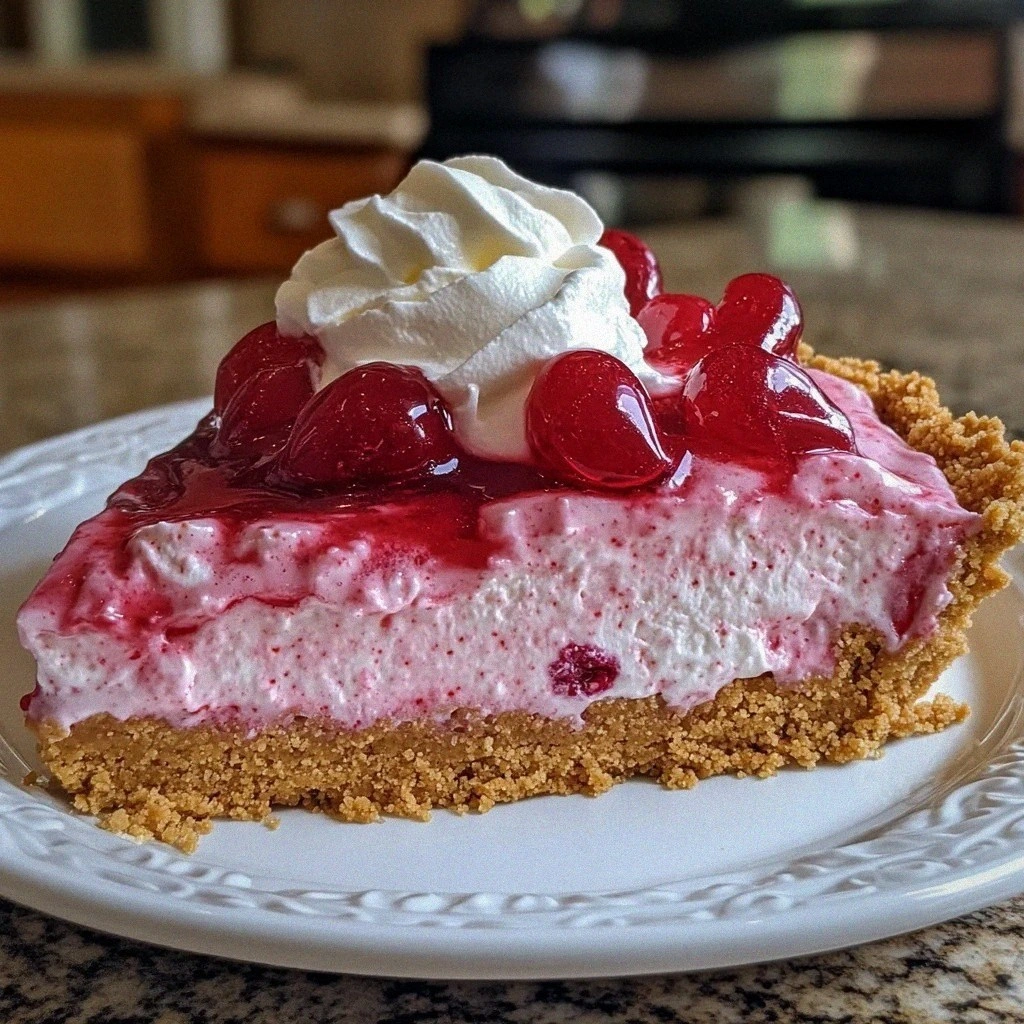 Desserts
Easy Kool-Aid Pie: A Fun Delight You Can Make Today!
Learn how to make delicious Easy Kool-Aid Pie: A Fun Delight You Can Make Today!. Easy…
 Desserts
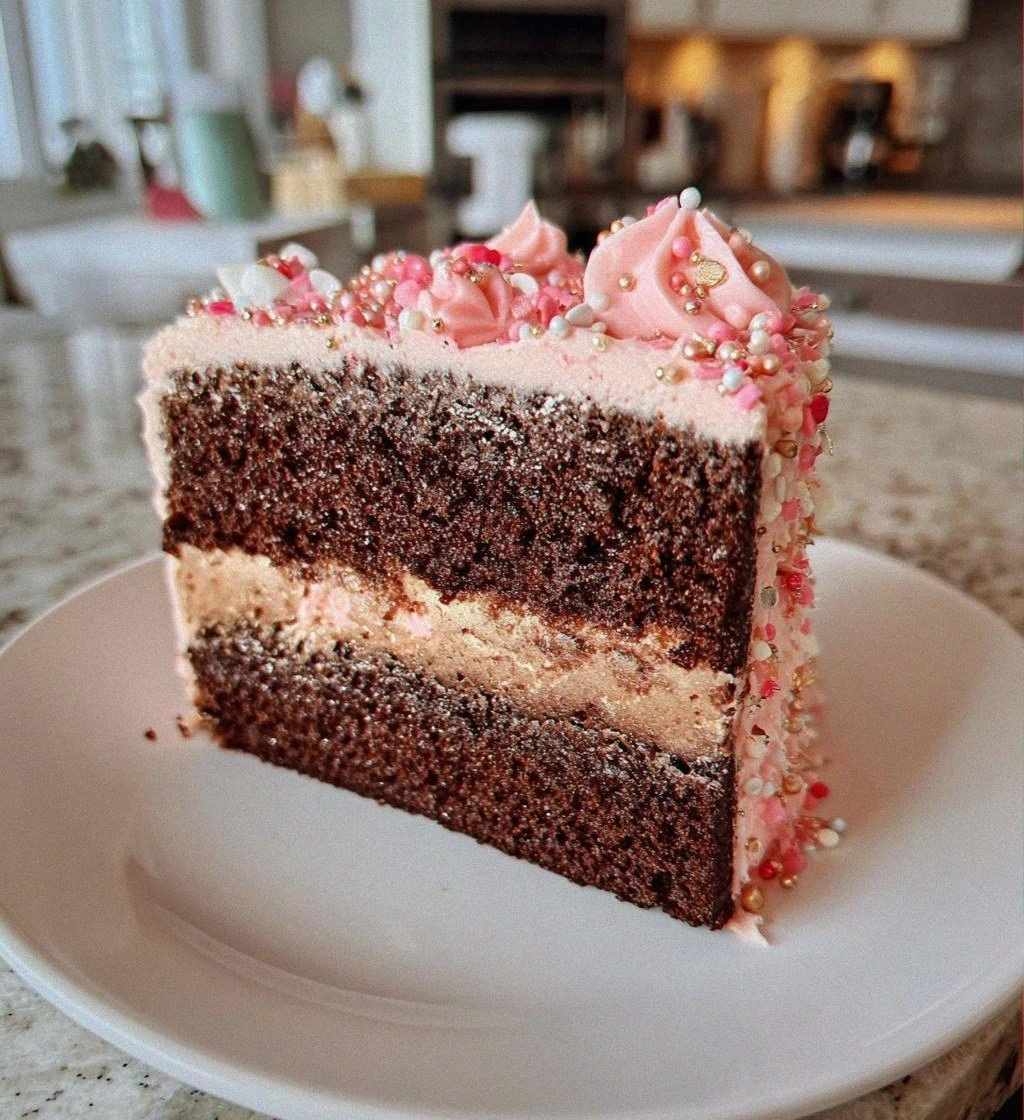
valentines themed cake: 7 Steps to Romantic Perfection
Learn how to make delicious valentines themed cake: 7 Steps to Romantic Perfection. Easy recipe with…

Lucy
I cook these recipes at home before they ever land here — simple ingredients, clear steps.