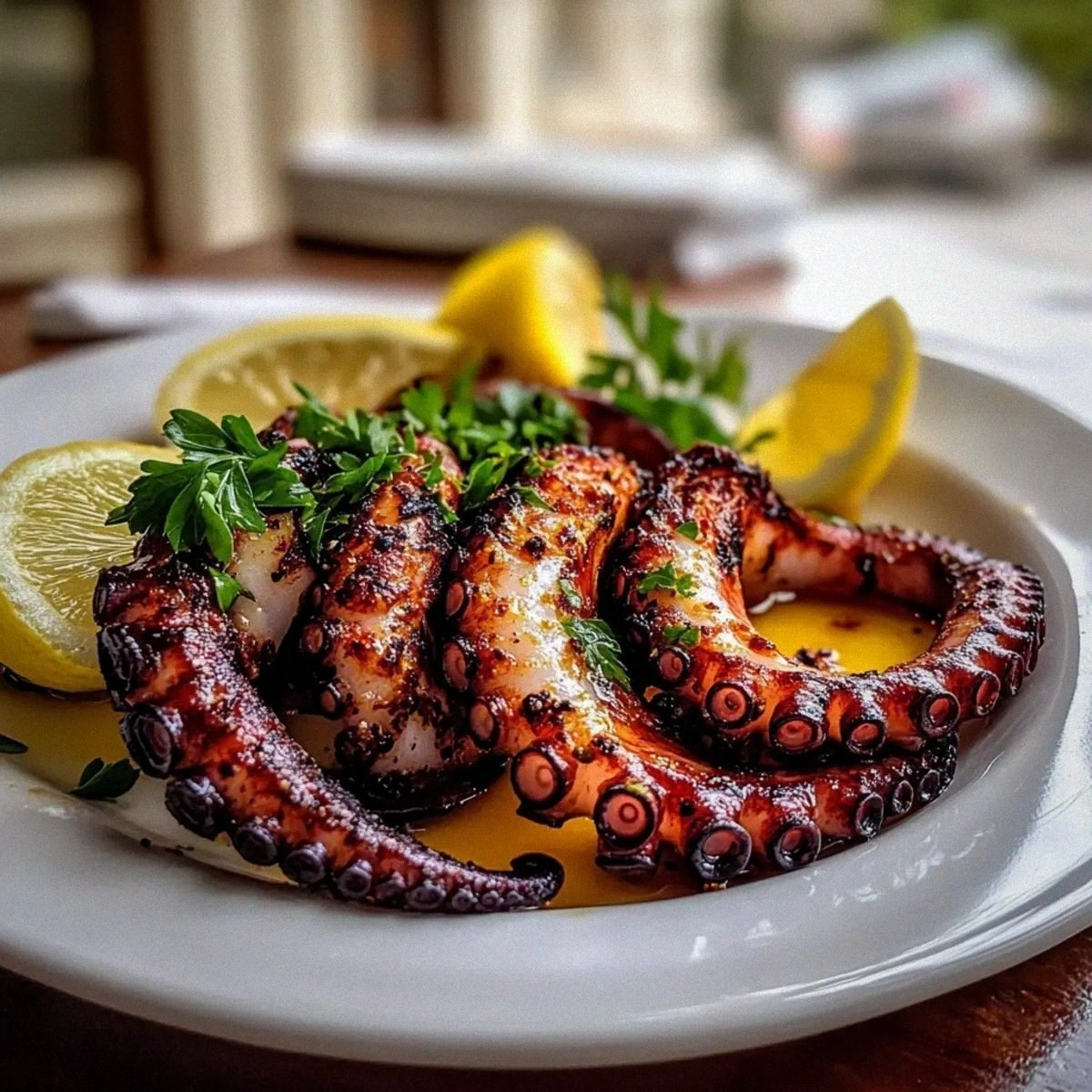
Grilled Octopus Seafood Dish: A Flavorful Mediterranean Escape
 Save
Save
It was a late‑summer evening on the coast of my grandmother’s village, and the sky was a bruised violet that seemed to melt into the sea. I remember the sound of the waves crashing against the old stone pier, the salty breeze that carried the distant scent of rosemary and charred pine. As I stepped into the tiny kitchen, the copper pots clanged, and the fire crackled beneath a battered grill that had seen more family celebrations than any restaurant could claim. The moment I lifted the lid on a pot of simmering water, a cloud of fragrant steam hit me, tinged with the briny perfume of the ocean, and I knew we were about to create something unforgettable.
My grandmother, a fearless cook with hands that could coax flavor out of the most humble ingredients, pulled out a frozen octopus that had been rescued from the market earlier that day. She told me stories of fishermen who would bring in their catch at dawn, and how the octopus, once properly tenderized, could become the star of a feast that rivaled any land‑based banquet. The octopus, with its tentacles curling like delicate sea‑weed ribbons, was the canvas for a symphony of Mediterranean flavors—olive oil, lemon, paprika, and a whisper of heat from cayenne. Have you ever wondered why a simple grill can turn such a mysterious sea creature into a melt‑in‑your‑mouth marvel?
That night, as the grill hissed and the octopus sizzled, I felt a connection to generations of cooks who trusted the fire and the sea. The first bite was a revelation: the meat was tender yet firm, the smoky char balanced perfectly with the bright citrus, and the spice lingered just enough to make you reach for another piece. The dish didn’t just feed our bodies; it fed our souls, reminding us that food is a portal to memory, place, and love. And that’s exactly why I’m sharing this recipe with you today—because I want you to experience that same magic in your own kitchen, whether you’re on a balcony overlooking a city skyline or a backyard with a modest grill.
But wait—there’s a secret trick hidden in step four that will take the texture from “nice” to “knock‑your‑socks‑off.” Trust me, you’ll want to keep reading because the payoff is worth every second of patience. Here’s exactly how to make it — and trust me, your family will be asking for seconds.
🌟 Why This Recipe Works
- Flavor Depth: The combination of smoky grill marks, bright lemon, and earthy paprika creates layers of taste that evolve with each bite, keeping the palate engaged from start to finish.
- Texture Harmony: Properly tenderized octopus offers a pleasant chew that’s neither rubbery nor mushy, while the quick sear adds a satisfying crispness on the outside.
- Ease of Execution: Despite its gourmet reputation, the recipe relies on straightforward techniques—blanching, marinating, and grilling—that any confident home cook can master.
- Time Efficient: With a total hands‑on time of under 45 minutes, you can serve a restaurant‑quality dish on a weeknight without sacrificing flavor.
- Versatility: The base flavor profile pairs beautifully with a variety of sides—from crisp salads to creamy couscous—making it adaptable to any meal plan.
- Nutrition Boost: Octopus is a lean source of protein, low in fat, and packed with essential minerals like iron and zinc, offering a healthful boost without compromising taste.
- Ingredient Quality: Using fresh lemon juice and high‑quality extra‑virgin olive oil elevates the dish, proving that simple, quality ingredients can outshine complex sauces.
- Crowd‑Pleaser Factor: The dramatic presentation of charred tentacles and the aromatic allure draw guests in, ensuring that the dish becomes the centerpiece of any gathering.
🥗 Ingredients Breakdown
The Foundation: Octopus & Salt
The star of our dish, 1 kg of frozen octopus, may sound intimidating, but it’s actually a forgiving canvas. Freezing helps break down the muscle fibers, making the final texture tender without the need for a lengthy pounding session. When you rinse the thawed octopus, you’ll notice a faint briny scent that hints at the sea’s freshness. Salt at just 1 tsp isn’t there to season heavily; it’s a catalyst that draws out excess moisture during the blanching step, ensuring the tentacles absorb the upcoming flavors more readily. If you can’t find frozen octopus, fresh octopus works too—just increase the blanching time by a few minutes.
Aromatics & Spices: Olive Oil, Paprika, Cayenne
Olive oil—four tablespoons of extra‑virgin olive oil—acts as the glossy carrier for our spices, coating each tentacle and preventing it from sticking to the grill. The oil also imparts a subtle fruitiness that pairs beautifully with the citrus later on. Paprika, measured at 1 tsp, contributes a gentle sweetness and a deep red hue that makes the dish visually striking; choose smoked paprika for an added layer of complexity. Cayenne at half a teaspoon introduces a whisper of heat that awakens the palate without overwhelming the delicate seafood flavor. If you’re sensitive to spice, you can halve the cayenne or swap it for a pinch of sweet chili flakes for a milder kick.
The Secret Weapons: Lemon Juice & Fresh Parsley
Lemon juice—the juice of one bright, fragrant lemon—provides the essential acidity that cuts through the richness of the oil and balances the smoky char. The citrus also brightens the overall flavor profile, making each bite feel fresh and lively. Fresh parsley, chopped finely (2 tbsp), adds a herbaceous pop and a splash of green that visually lifts the dish. Parsley’s slight peppery note complements the sea‑salted octopus and reinforces the Mediterranean vibe. If you’re feeling adventurous, a pinch of fresh mint can be tossed in for a surprising twist.
Finishing Touches & Optional Extras
While the core ingredients are all you need for a classic rendition, a drizzle of high‑quality extra‑virgin olive oil just before serving adds a silky finish. A sprinkle of flaky sea salt at the end can give a delightful crunch. Some cooks like to add a few crushed garlic cloves to the blanching water for an extra layer of aroma, but remember—too much garlic can mask the octopus’s natural sweetness. The beauty of this recipe lies in its simplicity; each optional addition should enhance, not dominate, the flavor narrative.
With your ingredients prepped and ready, let's get cooking. Here's where the fun really begins...
🍳 Step-by-Step Instructions
🔐 Expert Tips for Perfect Results
The Taste Test Trick
Before you commit to the final grill, dip a tiny piece of the marinated octopus into a spoonful of the leftover sauce. If the flavor feels bright and balanced, you’re on the right track; if it’s too salty, add a splash more lemon juice. This quick taste test saves you from a bland finish and lets you adjust seasoning on the fly. I once served a batch that was a shade too salty, and a single squeeze of lemon rescued the entire dish.
Why Resting Time Matters More Than You Think
Allowing the grilled octopus to rest for a few minutes isn’t just about convenience; it’s a science. The heat continues to penetrate the meat, and the juices settle back into the fibers, ensuring each bite stays juicy. Skipping this step can result in a dry mouthfeel, especially if you’re serving to a crowd that expects tenderness. Trust me, a brief pause makes the difference between good and glorious.
The Seasoning Secret Pros Won’t Tell You
Professional chefs often finish seafood with a very light drizzle of flavored oil—think lemon‑infused olive oil or a hint of smoked paprika oil. This final glaze adds a glossy sheen and a subtle flavor boost that’s hard to achieve with a regular drizzle. I keep a small bottle of lemon‑oil on my counter for exactly this purpose; a few drops right before serving transform the dish into something restaurant‑worthy.
Grill Temperature Mastery
A common pitfall is grilling over too low a heat, which leads to steaming rather than searing. Aim for that medium‑high sweet spot; you’ll hear a satisfying sizzle the moment the tentacles touch the grates. If your grill has hot spots, rotate the octopus halfway through cooking to ensure even char. The result? A uniformly caramelized exterior that locks in moisture.
The Power of Fresh Herbs
Fresh parsley isn’t just a garnish; its bright, slightly peppery flavor cuts through the richness of the oil and balances the heat from cayenne. Add the herbs at the very end of cooking to preserve their vivid color and fresh aroma. I once tried adding dried parsley earlier in the process, and the dish lost its lively green pop—fresh is always best.
🌈 Delicious Variations to Try
One of my favorite things about this recipe is how versatile it is. Here are some twists I've tried and loved:
Mediterranean Herb Fusion
Swap the parsley for a blend of oregano, thyme, and rosemary. The herbaceous notes deepen the Mediterranean vibe, making the dish feel like a seaside tavern specialty. Add a few crushed olives to the marinade for a briny punch that complements the lemon.
Spicy Harissa Kick
Replace the paprika and cayenne with 1 tsp of North African harissa paste. The smoky, peppery heat transforms the octopus into a bold, adventurous bite. Pair with a cool cucumber‑yogurt sauce to balance the spice.
Garlic‑Lemon Butter Finish
After grilling, melt a tablespoon of butter with minced garlic and a drizzle of lemon juice, then spoon this luxurious mixture over the tentacles. The buttery richness adds a silky mouthfeel, while the garlic deepens the aroma. Serve with crusty bread to mop up every last drop.
Smoky Chipotle Lime
Introduce ½ tsp of chipotle powder and replace lemon juice with fresh lime juice for a smoky‑tangy profile. This variation works especially well with a side of corn‑salsa, echoing coastal Mexican flavors.
Citrus‑Herb Salad Toss
Slice the grilled octopus into bite‑size pieces and toss with mixed greens, orange segments, sliced red onion, and a light vinaigrette. The fresh salad adds crunch and brightens the plate, turning the dish into a light lunch or a stunning appetizer.
Octopus & Tomato Ragù
After grilling, simmer the tentacles briefly in a rustic tomato sauce spiked with capers and olives. The sauce infuses the octopus with deep umami, creating a comforting stew that pairs perfectly with polenta or crusty bread.
📦 Storage & Reheating Tips
Refrigerator Storage
Allow the grilled octopus to cool to room temperature, then transfer it to an airtight container. Store in the refrigerator for up to 3 days. For best texture, place a thin layer of olive oil on top before sealing; this prevents the meat from drying out and keeps the flavors vibrant.
Freezing Instructions
If you need to keep the dish longer, freeze the cooked octopus in a zip‑top bag, removing as much air as possible. It will maintain quality for up to 2 months. When you’re ready to enjoy it, thaw overnight in the fridge, then reheat gently on the grill or under a broiler to revive the crisp char.
Reheating Methods
The trick to reheating without drying it out? A splash of lemon juice and a drizzle of olive oil. Place the tentacles on a preheated grill for 2‑3 minutes, turning once, or warm them in a skillet over medium heat, covering the pan for the first minute to retain moisture. Avoid microwaving, as it can make the octopus rubbery and mute the smoky flavors.
❓ Frequently Asked Questions
Can I use fresh octopus instead of frozen?
Why do I need to blanch the octopus before grilling?
What type of grill works best for this recipe?
Can I make this dish ahead of time for a party?
Is it safe to eat octopus that’s slightly undercooked?
What side dishes complement this grilled octopus?
Can I add garlic to the marinade without overpowering the octopus?
How do I know when the octopus is perfectly grilled?
Once the octopus is beautifully charred, remove it from the grill and let it rest on a warm platter for 2‑3 minutes. Resting allows the juices to redistribute, preventing a dry bite. While it rests, drizzle a final splash of fresh lemon juice over the top; the bright acidity will lift the smoky notes and add a refreshing finish.
Finish with a generous sprinkle of the remaining fresh parsley and, if desired, a pinch of flaky sea salt for texture. Serve the tentacles whole or slice them into bite‑size pieces for easy sharing. Pair with a crisp white wine, a simple arugula salad, or a side of grilled vegetables for a complete Mediterranean experience. Go ahead, take a taste — you’ll know exactly when it’s right.
And there you have it! But before you dig in, let me share some tips that will take this from great to absolutely unforgettable...
Similar Recipes
 Dinner
Hearty Lentil Stew for a Healthy January Reset
Learn how to make delicious Hearty Lentil Stew for a Healthy January Reset. Easy recipe with…
 Dinner
Amazing Spiralized Zucchini Alfredo (15 Min) Delight
Learn how to make delicious Amazing Spiralized Zucchini Alfredo (15 Min) Delight. Easy recipe with step-by-step…
 Dinner
Sizzling Beef & Bell Pepper Fiesta Recipe
Delicious Sizzling Beef & Bell Pepper Fiesta Recipe
 Dinner
Crispy Tofu with Spicy Peanut Sauce: A Complete Guide to Making a Flavorful Dish
Delicious Crispy Tofu with Spicy Peanut Sauce: A Complete Guide to Making a Flavorful Dish
 Dinner
Irresistible Garlic Butter Shrimp Scampi Lasagna Recipe
Learn how to make delicious Irresistible Garlic Butter Shrimp Scampi Lasagna Recipe. Easy recipe with step-by-step…
 Dinner
Vibrant Summer Garden Vegetable Stir-Fry
Delicious Vibrant Summer Garden Vegetable Stir-Fry
 Dinner
healthy onepot chicken and sweet potato stew for clean eating days
Learn how to make delicious healthy onepot chicken and sweet potato stew for clean eating days.…
 Dinner
baked macaroni and cheese with smoked gouda for cozy family gatherings
Learn how to make delicious baked macaroni and cheese with smoked gouda for cozy family gatherings.…

Lucy
I cook these recipes at home before they ever land here — simple ingredients, clear steps.