Crispy Chinese Lemon Chicken – Your New Family Favorite!
 Save
Save
It was a breezy Saturday afternoon, the kind where the sunlight streams through the kitchen window and dances on the countertop, and I found myself rummaging through the pantry for something that could turn a simple family dinner into a celebration. I remembered the first time I tasted a plate of lemon‑bright, crispy chicken at a bustling street market in Guangzhou – the crackle of the coating, the zing of fresh lemon, and the whisper of honey that lingered on the tongue. The memory was so vivid that I could almost hear the sizzle of the oil and smell the citrus perfume swirling around the wok. That moment sparked a mission: to recreate that magic at home, using ingredients I could find at my local grocery store, and to share it with anyone who loves a dish that feels both familiar and exotic.
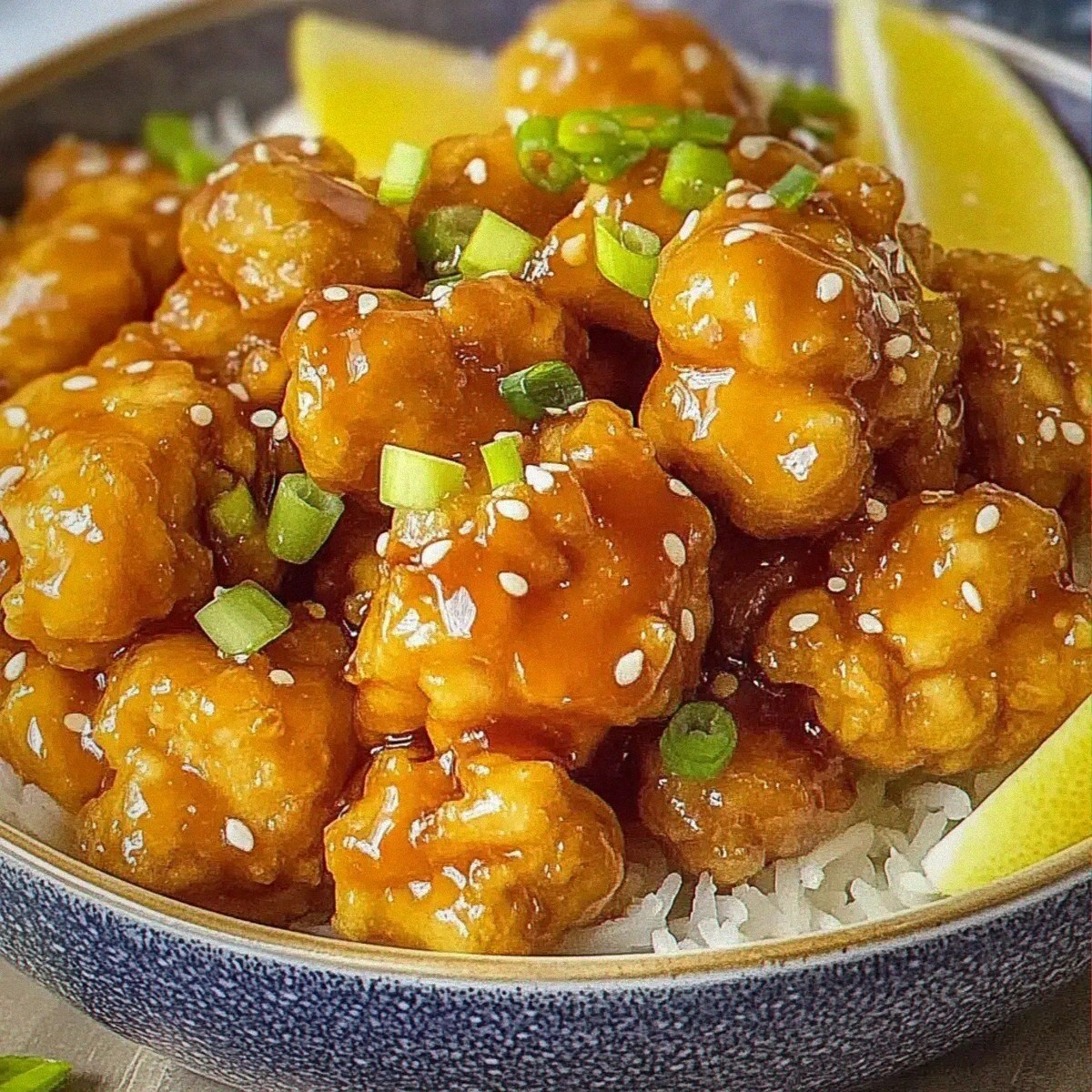
When I finally plated the first batch, the golden pieces glistened like tiny suns, each one coated in a glossy lemon‑honey glaze that caught the light just right. My family gathered around, eyes widening as the aroma of lemon zest and soy mingled with the faint nuttiness of sesame oil. The first bite was a symphony – a crisp exterior that gave way to juicy, tender chicken, followed by a burst of bright, slightly sweet citrus that made everyone reach for seconds without hesitation. It was the kind of dish that turns a regular Tuesday into a memory you’ll replay for weeks, and that’s exactly why I’m writing this guide for you today.
But wait – there’s a secret trick in step four that takes the glaze from good to unforgettable, and I’ll reveal it after we walk through the basics. Have you ever wondered why restaurant versions of lemon chicken taste so different from the frozen versions you can buy at the supermarket? The answer lies in a few key techniques and the quality of the ingredients, which I’ll break down in the next sections. I promise you’ll learn not just the “how” but the “why” behind every move, so you can tweak the recipe to your own taste and impress even the toughest critics at your table.
Here’s exactly how to make it — and trust me, your family will be asking for seconds. Grab a pen, gather your ingredients, and let’s dive into a culinary adventure that will become your new family favorite. The journey from raw chicken to a plate that sparkles with lemony goodness is just a few steps away, and the best part? You’ll have the confidence to customize it later, making this dish truly your own.
🌟 Why This Recipe Works
- Flavor Depth: The combination of fresh lemon juice, zest, and a touch of honey creates a layered citrus‑sweet profile that’s more complex than a simple lemon squeeze. The soy sauce adds umami, balancing the brightness with a savory backbone that keeps the palate from feeling one‑dimensional.
- Texture Contrast: By coating the chicken in a light mixture of cornstarch and flour, then frying it to a perfect crisp, you get that satisfying crunch that gives way to juicy meat inside. The glaze then clings to the crust, adding a glossy finish without soggying the coating.
- Ease of Execution: All the steps use common kitchen tools – a bowl, a skillet, and a whisk – so you don’t need fancy equipment. Even if you’re a beginner, the clear timing cues and visual markers make success almost guaranteed.
- Time Efficiency: The prep takes about fifteen minutes, and the cooking process is streamlined into a single pan, meaning you can have a restaurant‑quality main dish on the table in under an hour.
- Versatility: This dish works as a main course, a party finger food, or even a lunchbox treat. Pair it with steamed rice, noodles, or a simple cucumber salad, and you have a complete meal that adapts to any occasion.
- Nutrition Balance: Using lean chicken breast keeps the protein high while the modest amount of honey and sugar adds just enough sweetness without overwhelming the dish. The sesame oil and a sprinkle of sesame seeds provide healthy fats and a subtle nutty aroma.
- Ingredient Quality: Fresh lemon juice and zest are the stars here; they deliver bright acidity that can’t be replicated with bottled versions. The use of low‑sodium soy sauce ensures the dish isn’t overly salty, letting the lemon truly shine.
- Crowd‑Pleasing Factor: The visual appeal of golden, glossy chicken pieces garnished with vibrant lemon slices and green onions makes it a show‑stopper on any dinner table, and the flavor profile is universally loved by kids and adults alike.
🥗 Ingredients Breakdown
The Foundation – Chicken & Coating
The star of the show is 1.5 lbs boneless skinless chicken breasts. I prefer cutting them into bite‑size strips because it maximizes surface area for the coating and ensures each piece cooks evenly. If you can’t find chicken breasts, thigh meat works too, offering a richer flavor and slightly more juiciness. Egg whites act as the binding agent; they create a smooth surface for the cornstarch and flour to cling to, resulting in that coveted crispiness. When selecting eggs, opt for free‑range or organic for a richer taste and better texture.
Aromatics & Spices – The Flavor Builders
Sea salt and black pepper are the basic seasoning duo that lifts the chicken before it meets the hot oil. Use a light hand with the salt – you’ll be adding soy sauce later, and you don’t want to over‑season. Fresh lemon zest is a game‑changer; it releases aromatic oils that give the glaze a perfume you can’t get from juice alone. I always grate the zest directly over the bowl of glaze to capture the most volatile compounds before they evaporate.
The Secret Weapons – Thickening & Sweetening
Cornstarch appears twice in this recipe – first in the coating (¼ cup) and later as a slurry (2 tbsp + 2 tbsp water) to thicken the glaze. This dual use creates a glossy, velvety sauce that clings without sliding off. Low‑sodium chicken broth adds depth without drowning the lemon, while honey and granulated sugar balance the acidity with a subtle sweetness that rounds out the flavor. If you’re watching sugar, you can reduce the granulated sugar by half and let the honey carry the sweet notes.
Finishing Touches – Oil, Garnish & Extras
Vegetable oil is the frying medium; its high smoke point lets you achieve a golden crust without burning. I recommend using a neutral oil like canola or grapeseed for a clean flavor. Sesame oil and sesame seeds are added at the end to give a nutty aroma that pairs beautifully with lemon. Finally, lemon slices and green onions not only add visual pop but also a fresh bite that cuts through the richness of the fried chicken.
With your ingredients prepped and ready, let's get cooking. Here’s where the fun really begins, and I’ll walk you through each step so you can feel confident at every stage of the process. Trust me, the payoff is worth every minute you spend in the kitchen.
🍳 Step-by-Step Instructions
🔐 Expert Tips for Perfect Results
The Taste Test Trick
Before you commit the glaze to the chicken, dip a spoonful into a small bowl of cold water. If the sauce forms a thin film that slides off the spoon, it’s perfect; if it’s too runny, give it another 30 seconds of simmer. I once served a batch that was a bit thin, and the chicken ended up looking soggy – a quick taste test would have saved that disaster.
Why Resting Time Matters More Than You Think
After coating the chicken but before frying, let the pieces rest for five minutes on a wire rack. This pause allows the flour‑cornstarch mixture to hydrate, creating a stronger crust that won’t fall off when you toss it in the glaze. I learned this from a professional chef who swore by the “dry‑coat rest” technique, and it truly makes a difference.
The Seasoning Secret Pros Won’t Tell You
Add a pinch of Chinese five‑spice powder to the coating mixture for a subtle warm undertone that complements the lemon without overwhelming it. It’s a secret many home cooks miss, but once you try it, you’ll wonder why you ever settled for plain salt and pepper alone.
Oil Temperature Mastery
Use a candy thermometer to maintain the oil at 350°F (175°C). If the temperature drops too low, the chicken absorbs excess oil and loses its crunch. Conversely, if it’s too hot, the exterior burns before the interior cooks through. A steady temperature is the golden rule for any fried dish.
Balancing Sweet and Sour
If the glaze leans too tart for your palate, stir in an extra teaspoon of honey or a small drizzle of maple syrup. The key is to adjust gradually, tasting after each addition. I once over‑zested a lemon, and a tiny touch of honey rescued the sauce and kept the flavors harmonious.
🌈 Delicious Variations to Try
One of my favorite things about this recipe is how versatile it is. Here are some twists I've tried and loved:
Spicy Szechuan Lemon Chicken
Add 1 tsp of Szechuan peppercorn oil to the glaze and a pinch of crushed red pepper flakes. The peppercorn brings a numbing heat that pairs beautifully with the citrus, creating a flavor rollercoaster that will wow spice lovers.
Honey‑Ginger Glaze
Swap half of the lemon juice for freshly grated ginger juice and increase the honey to 3 tbsp. This variation introduces a warm, aromatic bite that complements the sweet‑sour balance while adding a comforting depth.
Coconut‑Lemon Fusion
Replace half of the vegetable oil with coconut oil for frying and stir a splash of coconut milk into the glaze. The subtle coconut aroma adds an exotic twist, perfect for tropical-themed dinner parties.
Herb‑Infused Lemon Chicken
Finely chop fresh thyme or rosemary and stir it into the glaze during the final simmer. The herbaceous notes elevate the dish, making it feel more rustic and garden‑fresh.
Crunchy Nutty Variation
Add toasted chopped peanuts or cashews to the finished dish just before serving. The extra crunch and nutty flavor complement the sesame seeds and give the dish an extra layer of texture.
📦 Storage & Reheating Tips
Refrigerator Storage
Place any leftovers in an airtight container and store them in the fridge for up to three days. For best texture, keep the chicken and glaze separate – the coating stays crisper if you re‑coat just before reheating.
Freezing Instructions
Cool the chicken completely, then arrange pieces on a parchment‑lined tray and freeze until solid. Transfer the frozen pieces to a zip‑top bag, labeling with the date. They’ll keep for up to two months. When you’re ready to eat, bake directly from frozen at 375°F (190°C) for 12‑15 minutes, then toss with a fresh glaze.
Reheating Methods
For stovetop reheating, heat a thin layer of oil in a skillet over medium heat, add the chicken, and flip until the crust regains its crunch – about 2‑3 minutes per side. In the oven, spread the pieces on a baking sheet, drizzle with a teaspoon of oil, and bake at 350°F (175°C) for 8‑10 minutes. The trick to reheating without drying it out? A splash of low‑sodium chicken broth or a drizzle of the original glaze right before serving revives the moisture and shine.
❓ Frequently Asked Questions
Can I use boneless skinless chicken thighs instead of breasts?
What if I don’t have a candy thermometer?
Can I make this dish gluten‑free?
How do I keep the chicken extra crispy after adding the glaze?
Can I prepare the glaze ahead of time?
What’s the best side dish to serve with this lemon chicken?
Can I use bottled lemon juice instead of fresh?
Is there a way to make this dish lower in fat?
Serve the crispy Chinese lemon chicken hot, alongside steamed jasmine rice, sautéed bok choy, or a simple cucumber salad dressed with rice vinegar. The contrast between the hot, glossy chicken and the cool, crisp vegetables makes each bite a balanced experience. Go ahead, take a taste — you’ll know exactly when it’s right because the lemon will be bright, the glaze will be silky, and the chicken will stay wonderfully crisp.
Finally, store any leftovers in an airtight container. To reheat, place the chicken in a hot skillet with a splash of oil for a minute or two, or use a preheated oven at 350°F (175°C) for five minutes. The result? The crust revives its crunch, and the glaze re‑shines like it did straight from the pan. And that, dear reader, is the full circle of a dish that tastes just as spectacular the second day around.
Similar Recipes
 Dinner
Cheesy Broccoli-Rice Quinoa Dream Casserole
Delicious Cheesy Broccoli-Rice Quinoa Dream Casserole
 Dinner
budgetfriendly lentil soup with winter squash and carrots for cold nights
Learn how to make delicious budgetfriendly lentil soup with winter squash and carrots for cold nights.…
 Dinner
Zesty Basil Pesto Zucchini Noodles Recipe
Delicious Zesty Basil Pesto Zucchini Noodles Recipe
 Dinner
Pineapple Spiral Ham Recipe: Irresistibly Sweet Delight
Learn how to make delicious Pineapple Spiral Ham Recipe: Irresistibly Sweet Delight. Easy recipe with step-by-step…
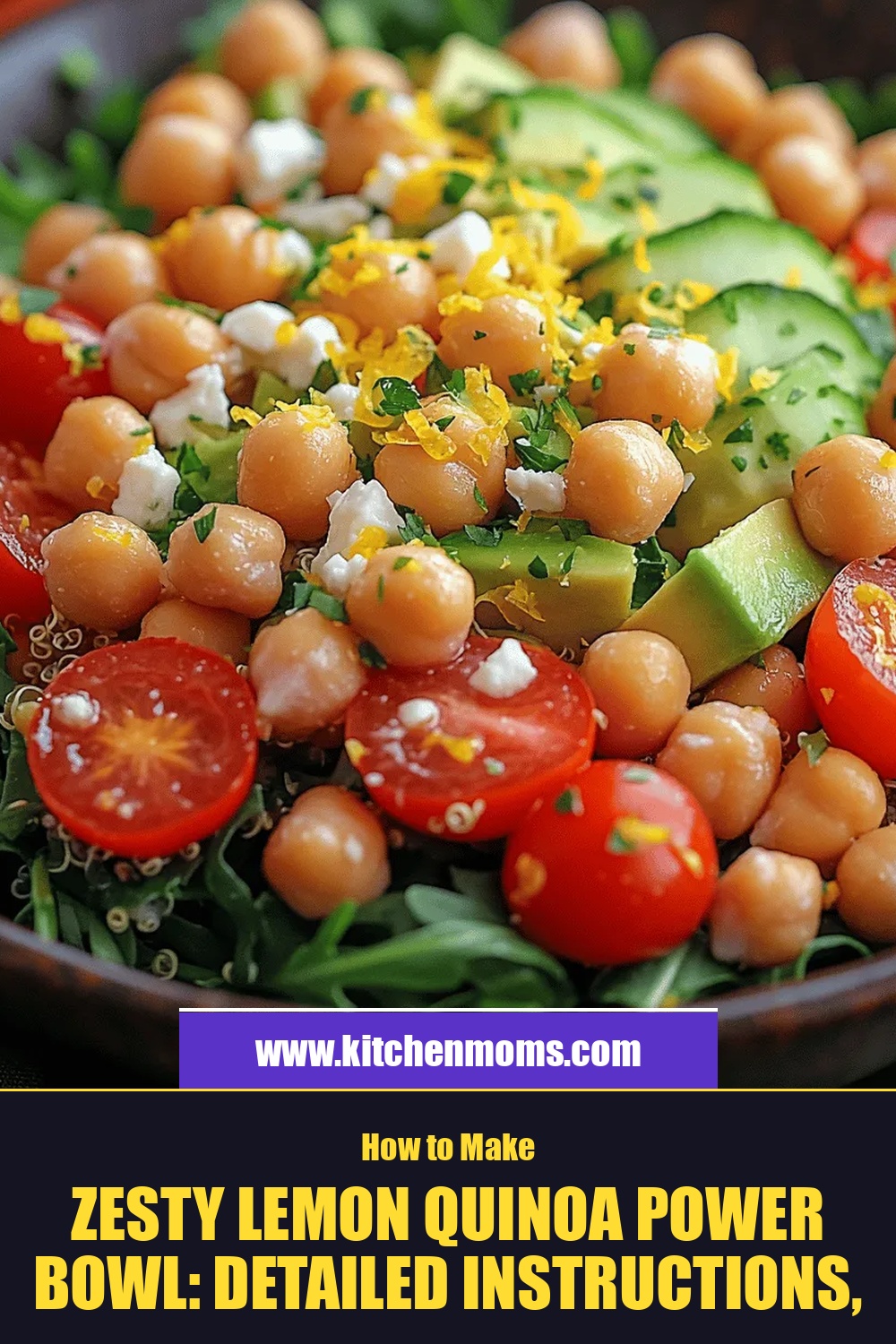 Dinner
Zesty Lemon Quinoa Power Bowl: Detailed Instructions, Serving Suggestions, and Final Thoughts
Delicious Zesty Lemon Quinoa Power Bowl: Detailed Instructions, Serving Suggestions, and Final Thoughts
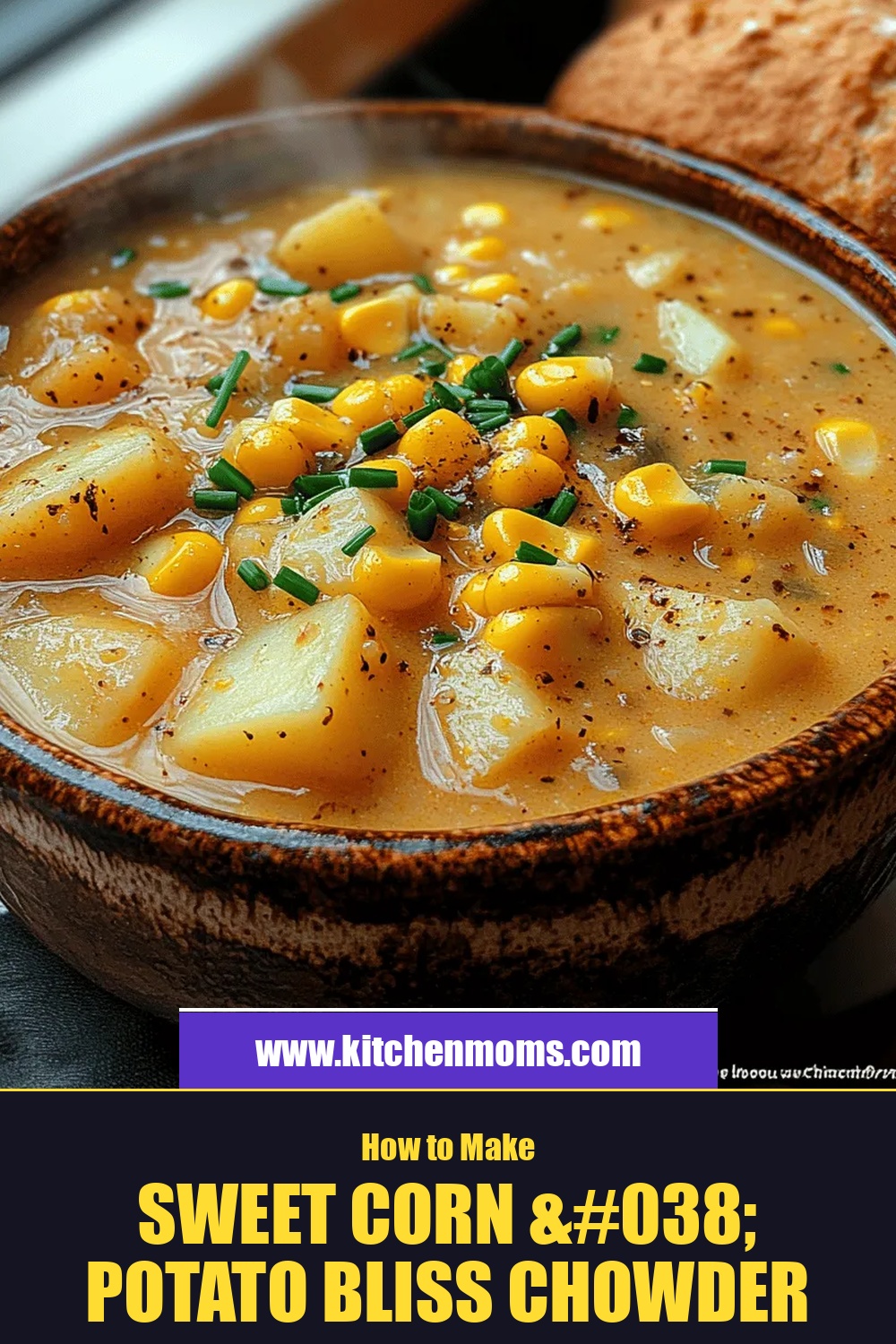 Dinner
Sweet Corn & Potato Bliss Chowder
Delicious Sweet Corn & Potato Bliss Chowder
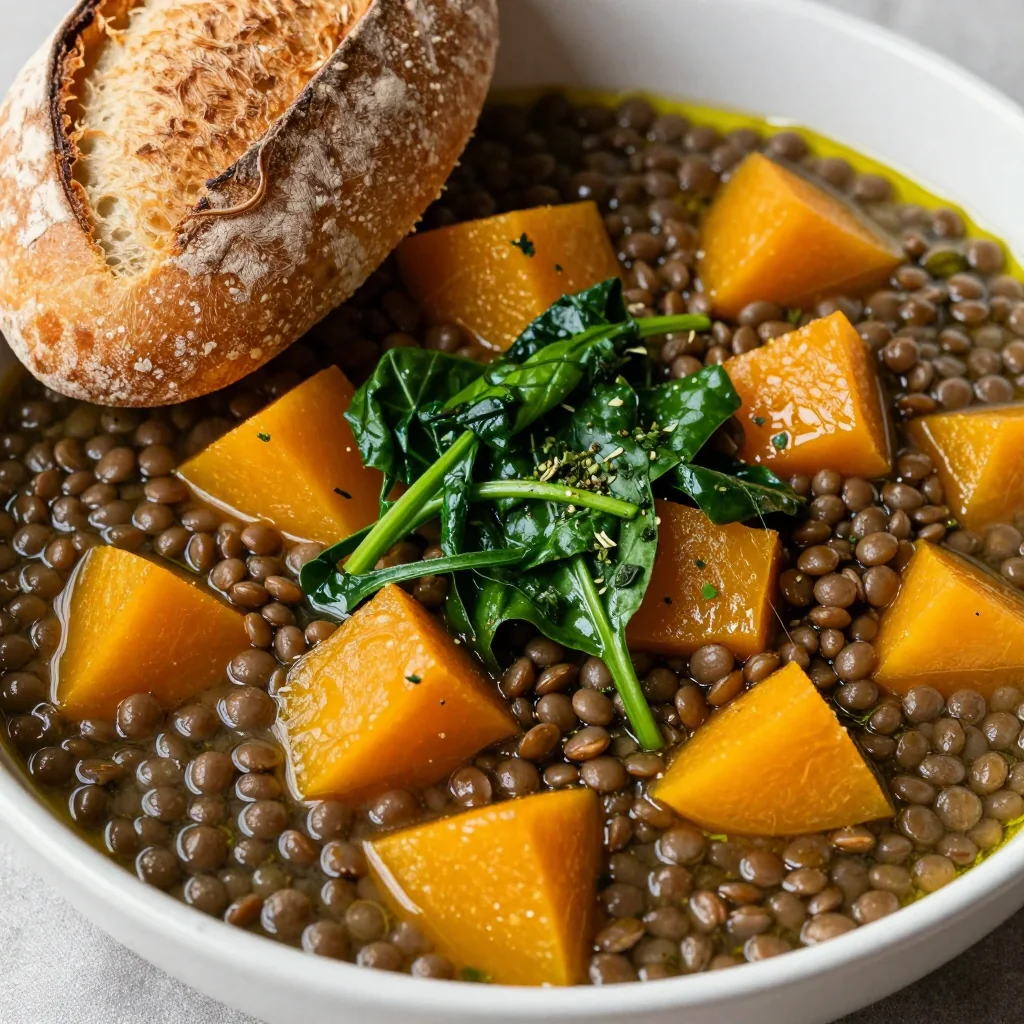 Dinner
hearty lentil and winter squash stew with fresh spinach
Learn how to make delicious hearty lentil and winter squash stew with fresh spinach. Easy recipe…
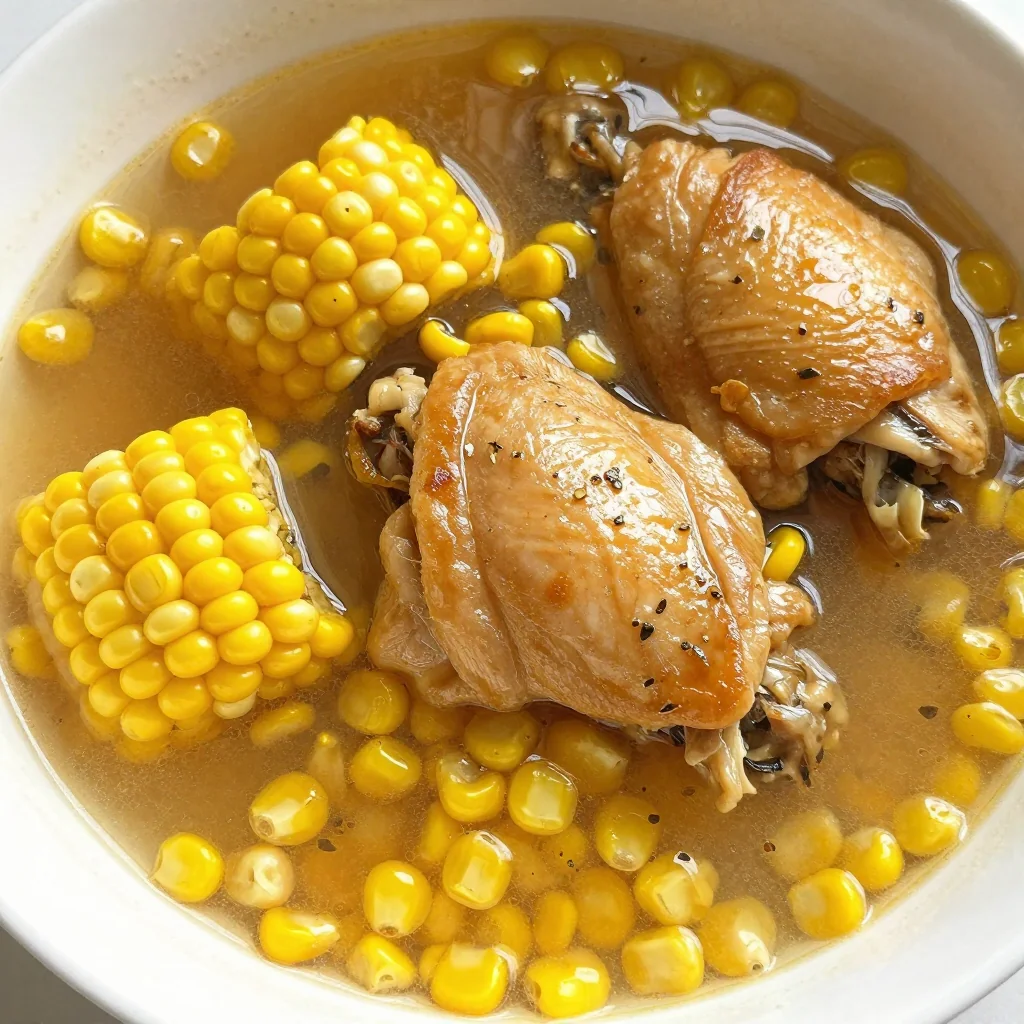 Dinner
Kid-Friendly Slow Cooker Chicken and Corn for a Simple Dinner
Learn how to make delicious Kid-Friendly Slow Cooker Chicken and Corn for a Simple Dinner. Easy…

Lucy
I cook these recipes at home before they ever land here — simple ingredients, clear steps.