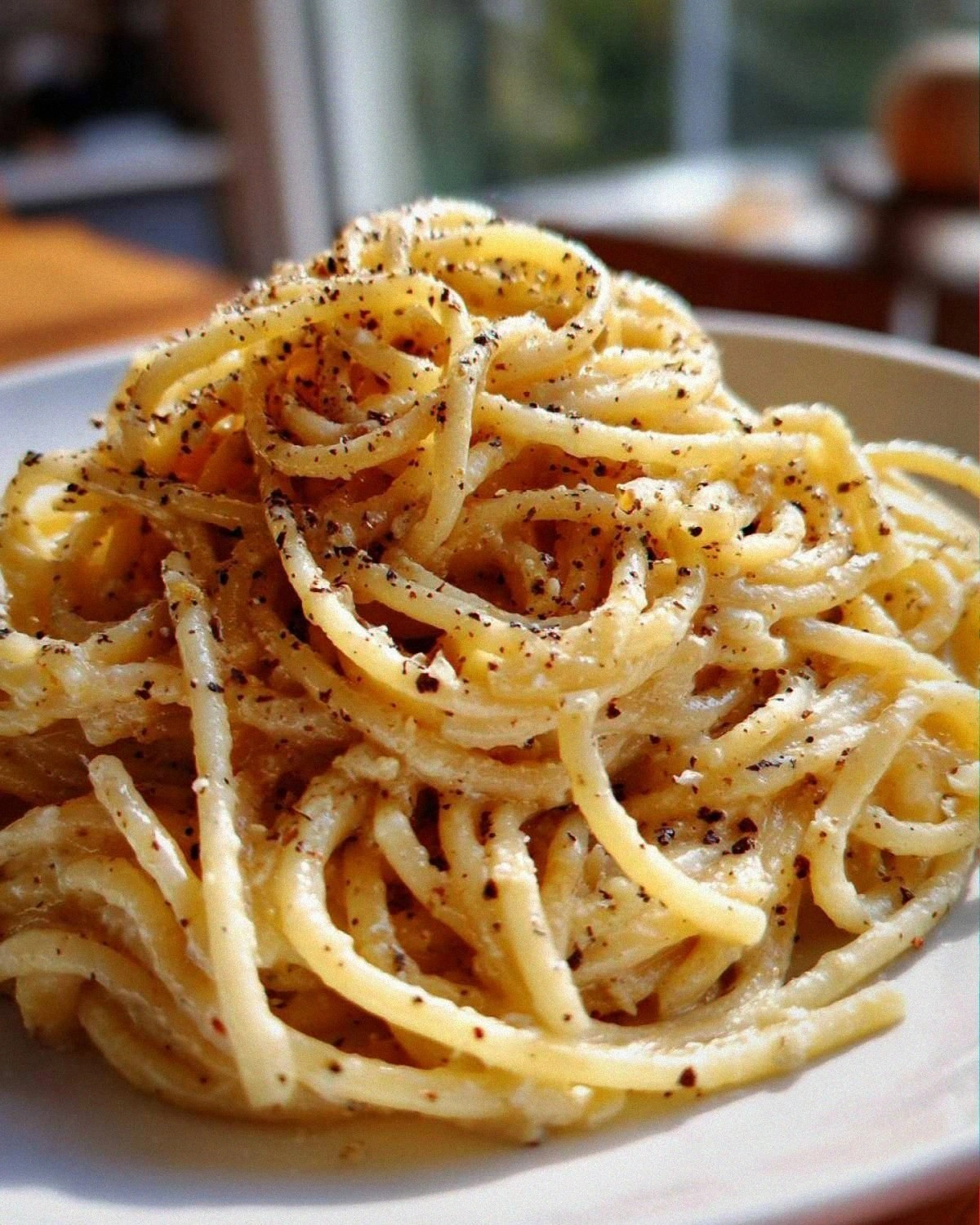
Amazing Spaghetti Cacio e Pepe in 20 Minutes
 Save
Save
It was a rainy Tuesday evening in late October, the kind of night when the kitchen feels like the warmest hug you can imagine. I remember the moment I lifted the lid of the pot, and a cloud of fragrant steam rose like a curtain of golden sunshine, instantly turning the dull kitchen into a bustling trattoria. The simple, buttery aroma of Pecorino Romano mingled with the sharp bite of freshly cracked black pepper, and I knew I was about to create something unforgettable. That night, my family gathered around the table, eyes wide with anticipation, and the first bite sparked a chorus of delighted sighs that still echo in my memory. Have you ever felt that instant connection between a dish and a moment, as if the flavors themselves were telling a story? The magic of cacio e pepe lies in that very simplicity, and today I’m thrilled to share my version that you can whip up in just twenty minutes.
What makes this recipe truly amazing isn’t just the speed—it’s the way each ingredient sings in perfect harmony, creating layers of flavor that feel both rustic and refined. Imagine the silky texture of al dente spaghetti coated in a glossy, pepper‑infused cheese sauce that clings to every strand like a lover’s embrace. The secret? A precise technique that balances the starchy pasta water with the cheese, turning a humble mixture into a glossy, luxurious coating that never turns grainy. I’ve spent countless evenings tweaking the ratios, and the result is a dish that feels like it was lifted straight from a Roman osteria, yet it’s entirely doable in a home kitchen. But wait until you see the secret trick in step four… it will change the way you think about emulsifying cheese forever.
Beyond the taste, this recipe is a celebration of tradition and improvisation—two forces that have guided my cooking journey since I was a child watching my nonna roll out fresh pasta with practiced hands. She taught me that the best meals are built on patience, love, and a willingness to experiment with the tiniest details, like how long you toast the pepper or the temperature of the water you reserve. As you read on, you’ll discover the little nuances that elevate a simple plate into a culinary masterpiece, and you’ll see why this dish has become a beloved staple at my family gatherings. The best part? You’ll be able to recreate that authentic, restaurant‑quality flavor without ever leaving your own countertop.
Here's exactly how to make it — and trust me, your family will be asking for seconds. Grab your favorite pot, set a timer, and get ready to experience the comforting, peppery bliss that only a perfect cacio e pepe can deliver. The journey from raw ingredients to a steaming bowl of golden pasta is about to begin, and I promise you’ll learn a few tricks that even seasoned chefs keep close to their chest. So roll up your sleeves, preheat your mind for a sensory adventure, and let’s dive into the wonderful world of this classic Italian comfort food.
🌟 Why This Recipe Works
- Flavor Depth: The combination of Pecorino Romano and freshly cracked black pepper creates a robust, umami‑rich profile that feels both sharp and comforting. Each bite delivers a burst of salty cheese balanced by the pepper’s subtle heat, making the palate dance with excitement.
- Texture Perfection: By using the starchy pasta water to emulsify the cheese, the sauce achieves a silky, clingy texture that coats every strand of spaghetti without clumping. This technique ensures a glossy finish that feels luxurious on the tongue.
- Speed and Simplicity: In just twenty minutes, you can transform pantry staples into a restaurant‑worthy plate, perfect for busy weeknights or impromptu gatherings. No fancy equipment or hard‑to‑find ingredients are required.
- Versatility: While the classic version shines on its own, the base is adaptable for countless variations, from adding toasted breadcrumbs for crunch to tossing in sautéed vegetables for extra color.
- Nutrition Balance: Despite its indulgent taste, the dish provides a good source of protein from the cheese and complex carbs from the whole‑grain spaghetti, making it a satisfying yet balanced meal.
- Ingredient Quality: Using high‑quality Pecorino Romano and fresh black pepper elevates the dish, proving that simple ingredients can create extraordinary results when treated with respect.
- Crowd‑Pleasing Factor: Its familiar flavors appeal to both picky eaters and adventurous food lovers, ensuring that everyone at the table leaves with a smile and a satisfied stomach.
🥗 Ingredients Breakdown
The Foundation: Pasta & Water
The heart of any cacio e pepe is the spaghetti itself. I prefer using a high‑quality durum wheat spaghetti because it holds up well to the vigorous tossing required to coat the noodles evenly. When the pasta hits boiling water, you’ll hear that satisfying “bubble‑burst” sound that signals it’s time to add a generous pinch of kosher salt, which seasons the noodles from the inside out. The starchy cooking water is a secret weapon; it’s what transforms the cheese into a creamy emulsion rather than a dry, gritty coating. Remember to reserve at least one cup of this golden liquid before draining—this will be the liquid gold that binds everything together.
Aromatics & Spices: Pepper Power
Black pepper is the star of the show, providing that distinctive bite that defines cacio e pepe. I recommend using freshly cracked peppercorns rather than pre‑ground pepper for maximum aroma and flavor. When you toast the pepper in a hot pan, you’ll notice it releases a nutty, slightly smoky scent that fills the kitchen and makes your mouth water. This step is crucial because it awakens the pepper’s essential oils, creating a deeper, more complex flavor than simply sprinkling it at the end. If you’re feeling adventurous, a pinch of white pepper can add an extra layer of subtle heat without altering the classic color.
The Secret Weapons: Cheese & Olive Oil
Pecorino Romano, a hard, salty sheep’s milk cheese, is the authentic choice for this dish. Its sharp, tangy profile cuts through the richness of the olive oil and balances the pepper’s heat. Grating the cheese finely is essential; the smaller the particles, the easier they melt into a silky sauce. I also add a splash of extra‑virgin olive oil to the pan before toasting the pepper, which helps to release the pepper’s flavors and adds a subtle fruitiness that rounds out the dish. If you can’t find Pecorino, a high‑quality aged Parmigiano‑Reggiano works as a decent substitute, though the flavor will be milder.
Finishing Touches: Salt & Love
A pinch of kosher salt not only seasons the pasta water but also enhances the cheese’s natural brininess. The key is to taste as you go, adjusting the salt level after the sauce forms to avoid over‑seasoning. Finally, a drizzle of olive oil right before serving adds a glossy sheen and a final burst of aroma that ties the whole dish together. Trust me on this one: a tiny splash of high‑quality oil at the end can make the difference between a good plate and a spectacular one.
With your ingredients prepped and ready, let's get cooking. Here's where the fun really begins, and you’ll discover how a few mindful steps turn humble components into a dish that feels luxurious and comforting at the same time.
🍳 Step-by-Step Instructions
🔐 Expert Tips for Perfect Results
The Taste Test Trick
Before you finish the sauce, pause and take a tiny spoonful to your palate. This “taste test” allows you to gauge the balance of salt and pepper, adjusting as needed before the dish is plated. I once served a batch that was a bit too peppery, and a quick dash of extra cheese brought it back into harmony. Remember, the flavor intensifies slightly as the pasta cools, so aim for a slightly bold profile while it’s still hot.
Why Resting Time Matters More Than You Think
Allowing the pasta to rest for a minute after the sauce is formed gives the starches time to fully absorb the cheese and pepper, resulting in a richer coating. This short pause also helps the sauce thicken just enough to cling without becoming clumpy. I’ve noticed that dishes that skip this step often end up with a watery finish that looks less appetizing on the plate.
The Seasoning Secret Pros Won’t Tell You
Professional chefs often add a splash of cold water to the sauce at the very end, which helps to lock in the emulsion and keep the sauce glossy. This technique might sound counterintuitive, but the sudden temperature change stabilizes the cheese, preventing it from separating. Trust me on this one: a tablespoon of chilled pasta water can make the difference between a sauce that shines and one that looks dull.
Choosing the Right Cheese
Pecorino Romano’s sharp, salty character is essential, but the aging period matters. Look for a cheese aged at least 8 months; younger Pecorino can be milder and won’t provide the same depth of flavor. When I first tried a younger version, the dish felt flat, prompting me to seek out a more mature wheel that delivered that unmistakable bite.
Mastering the Pepper Toast
Don’t rush the pepper toast—give it a full 30 seconds to bloom, stirring constantly to avoid burning. The visual cue is a deeper amber hue and a fragrant, nutty scent that fills the kitchen. If you’re ever in doubt, trust your nose; when the aroma shifts from sharp to warm and toasted, you’re ready to move on.
🌈 Delicious Variations to Try
One of my favorite things about this recipe is how versatile it is. Here are some twists I've tried and loved:
Citrus‑Infused Cacio e Pepe
Add a zest of lemon or orange to the sauce right before serving. The citrus brightens the peppery heat and adds a subtle, refreshing tang that pairs beautifully with the salty cheese. This variation works especially well for spring gatherings when fresh flavors are celebrated.
Smoky Bacon & Pepper
Crisp up a handful of pancetta or smoked bacon and toss it in with the pasta after the sauce is formed. The smoky, salty bacon adds a hearty depth, turning the dish into a more robust, comfort‑food experience. I love serving this version on chilly evenings when a little extra warmth is welcome.
Herb‑Laced Green
Stir in a handful of fresh arugula or baby spinach just before plating; the greens wilt slightly from the heat, adding a peppery, slightly bitter contrast. This not only boosts the nutritional profile but also adds a splash of vibrant green that makes the plate look restaurant‑ready.
Nutty Breadcrumb Crunch
Toast breadcrumbs with a drizzle of olive oil and a pinch of garlic, then sprinkle them over the finished pasta. The crunchy topping introduces texture, creating a delightful contrast to the silky sauce. It’s a simple way to add a surprising element that guests love.
Spicy Red Pepper Flake Twist
If you crave heat, add a pinch of crushed red pepper flakes alongside the black pepper. The combination of black and red pepper adds layers of spice, giving the dish a subtle kick without overwhelming the cheese’s richness. Perfect for those who enjoy a little fire in their meals.
Mushroom‑Infused Cacio e Pepe
Sauté sliced cremini or shiitake mushrooms in the olive oil before adding the pepper, allowing the mushrooms to absorb the oil’s flavor. The earthy umami of the mushrooms deepens the overall profile, making the dish feel more substantial and perfect for a fall dinner.
📦 Storage & Reheating Tips
Refrigerator Storage
Store any leftovers in an airtight container within two hours of cooking. The pasta will keep well for up to three days, though the sauce may thicken as it cools. Before reheating, add a splash of water or broth to loosen the sauce, then gently reheat on the stovetop over low heat, stirring constantly to restore its creamy texture.
Freezing Instructions
While fresh pasta dishes are best enjoyed immediately, you can freeze this cacio e pepe for up to one month. Portion the pasta into freezer‑safe bags, removing as much air as possible, and label with the date. To reheat, thaw overnight in the refrigerator, then warm gently on the stovetop with a bit of water, stirring until the sauce becomes glossy again.
Reheating Methods
The trick to reheating without drying it out? A splash of hot pasta water or broth, combined with a quick toss in a skillet over medium‑low heat. This revives the emulsion and brings back that silky mouthfeel. Alternatively, you can microwave in short bursts, stirring between intervals and adding a drizzle of olive oil to keep the sauce from clumping.
❓ Frequently Asked Questions
Can I use whole‑wheat spaghetti instead of regular?
What if I don’t have Pecorino Romano?
Why does my sauce become grainy?
Can I add garlic to the recipe?
How much black pepper should I use?
Is it okay to use pre‑grated cheese?
Can I make this dish vegan?
What wine pairs best with cacio e pepe?
Recipe Card
Turn off the heat and let the pasta rest in the pan for about a minute; this allows the sauce to thicken just a touch more and the flavors to meld. During this brief pause, you’ll hear the faint sigh of steam escaping, a reminder that the dish is still hot and ready to serve. If you’re serving immediately, this rest period ensures the sauce adheres perfectly to the pasta, preventing any unwanted slippage onto the plate.
Plate the spaghetti by twirling a generous mound onto each plate using a fork and spoon, allowing the sauce to cascade down the sides. Finish each serving with a final drizzle of high‑quality olive oil and an extra scattering of freshly cracked black pepper for visual appeal and a burst of aroma. The dish should look radiant, with a subtle sheen that catches the light, inviting everyone to dive in. Go ahead, take a taste — you’ll know exactly when it’s right.
Serve immediately while the pasta is still steaming hot, accompanied by a simple green salad or a glass of crisp white wine if you wish. The warmth of the dish will keep the cheese sauce fluid, ensuring each bite is as luscious as the first. And there you have it! But before you dig in, let me share some tips that will take this from great to absolutely unforgettable…
Similar Recipes
 Dinner
Creamy Basil Gnocchi with Roasted Tomatoes: A Flavorful Delight
Delicious Creamy Basil Gnocchi with Roasted Tomatoes: A Flavorful Delight
 Dinner
Gourmet Smoked Salmon and Dill Pasta
Delicious Gourmet Smoked Salmon and Dill Pasta
 Dinner
Crisp & Refresh Cucumber Rice Bowl
Delicious Crisp & Refresh Cucumber Rice Bowl
 Dinner
Lusciously Creamy Lemon Dill Salmon Pasta
Delicious Lusciously Creamy Lemon Dill Salmon Pasta
 Dinner
batch cooked sweet potato and kale stew for budgetfriendly dinners
Learn how to make delicious batch cooked sweet potato and kale stew for budgetfriendly dinners. Easy…
 Dinner
Zesty Lentil Spinach Soup: A Nourishing Delight
Delicious Zesty Lentil Spinach Soup: A Nourishing Delight
 Dinner
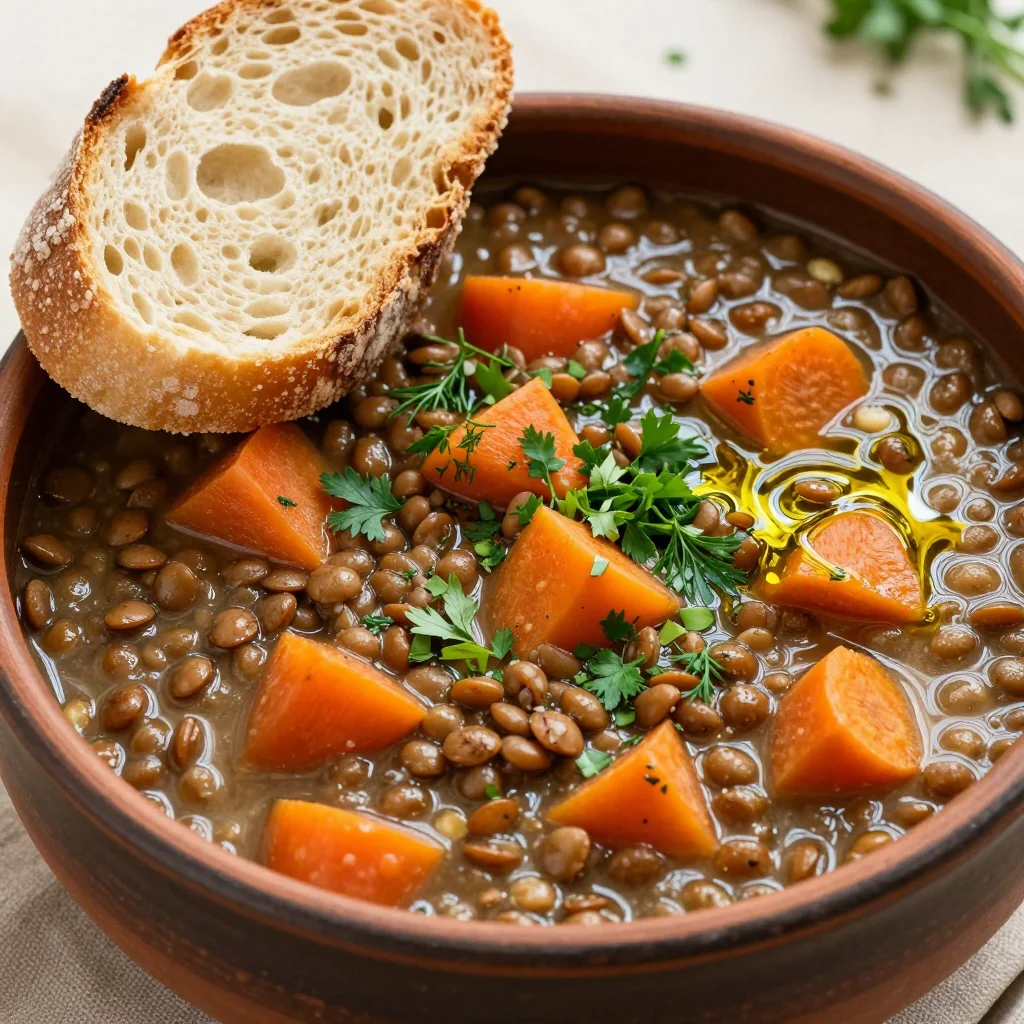
batchcooked lentil and carrot stew with fresh herbs for quick dinners
Make-ahead lentil carrot stew with fresh herbs. Batch-cook this hearty soup, freeze portions & enjoy healthy…
 Dinner
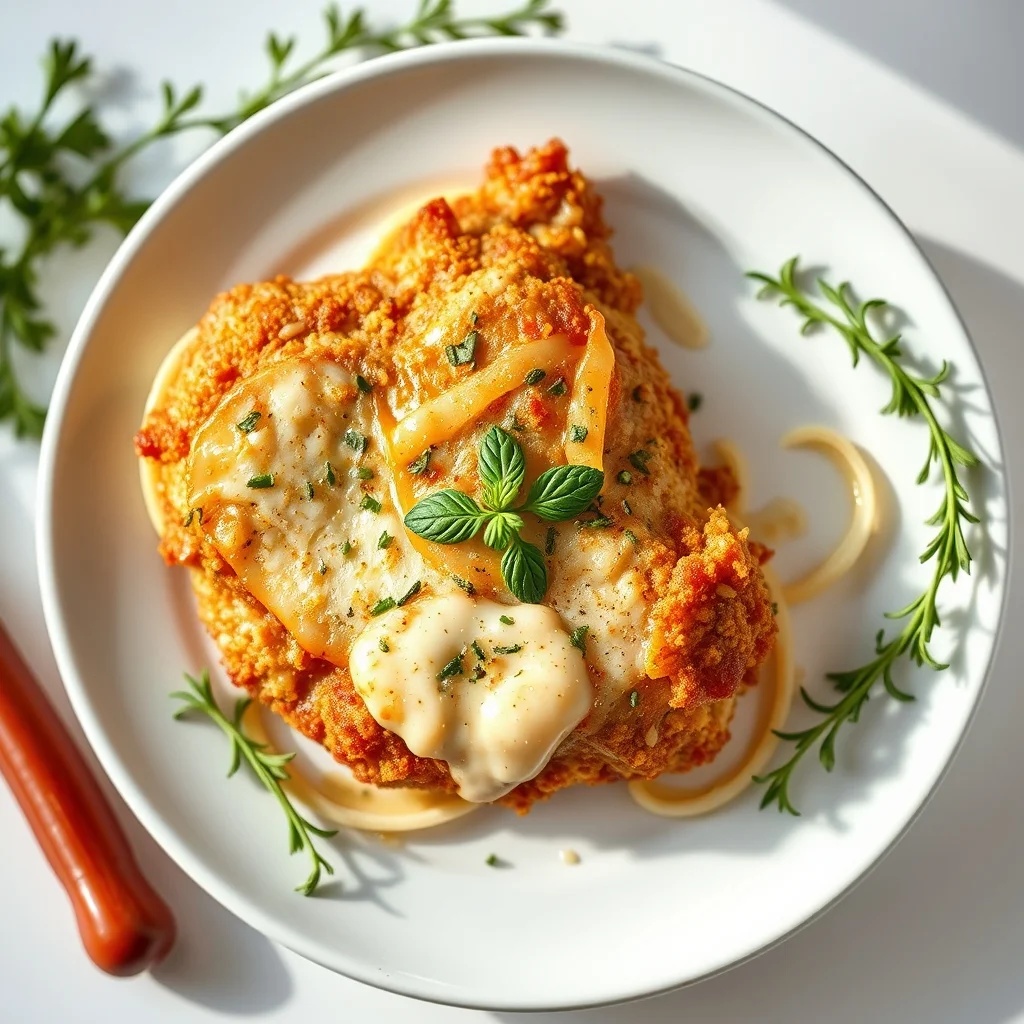
Crunchy Baked Chicken Parmesan Delight
Delicious Crunchy Baked Chicken Parmesan Delight

Lucy
I cook these recipes at home before they ever land here — simple ingredients, clear steps.