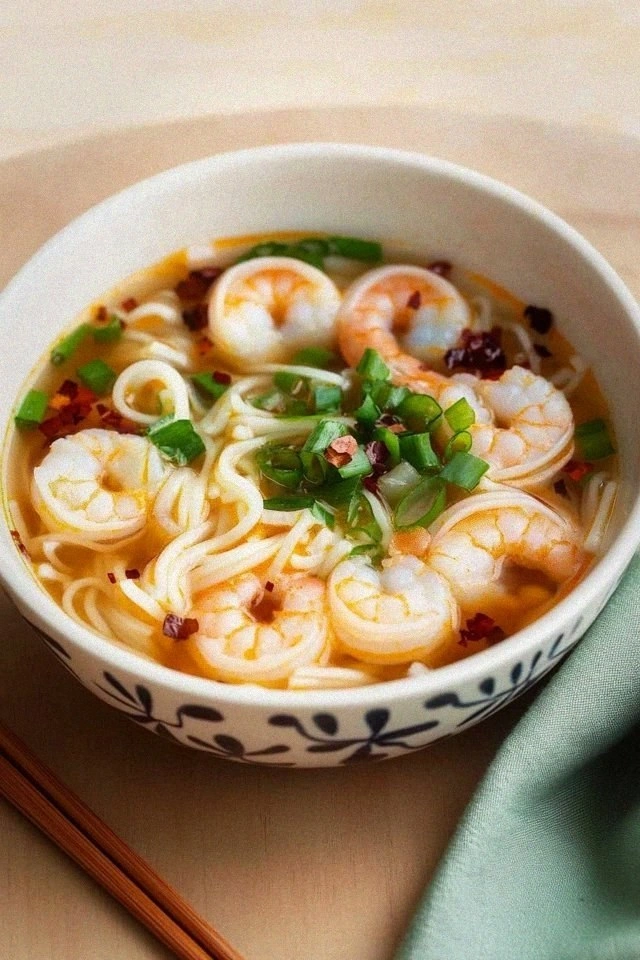
Chinese Shrimp Noodle Soup
 Save
Save
It was a rainy Thursday evening when I first stumbled upon the idea of a Chinese Shrimp Noodle Soup that could warm both body and soul. The kitchen was filled with the soft patter of droplets against the window, and the scent of fresh ginger drifting from the pantry felt like a promise of comfort. I remember reaching for a bag of frozen shrimp, a handful of bok choy, and a packet of egg noodles, wondering if I could coax a restaurant‑level broth out of my humble stovetop. The moment I lifted the lid of the simmering pot, a cloud of fragrant steam hit me, carrying whispers of sesame, soy, and a hint of ocean brine that made my mouth water instantly.
What makes this soup truly special isn’t just the combination of shrimp and noodles—though that duo is undeniably dreamy—but the way each component sings together in perfect harmony. The sesame oil adds a nutty depth, the ginger and garlic create a bright, aromatic backbone, while the soy and oyster sauces bring umami richness that feels almost indulgent. And let’s not forget the bright green crunch of bok choy that cuts through the silky broth, offering texture and a burst of freshness. Have you ever wondered why a bowl of soup can feel like a hug? That’s the magic we’re about to unlock, and it’s all waiting in your pantry.
I’ve spent years tweaking this recipe, learning that the tiniest adjustments—like a splash of fish sauce or a pinch of chili garlic sauce—can elevate the dish from good to unforgettable. There’s one secret ingredient most people skip, and it makes all the difference; I’ll reveal it later, but first you need to understand why each element matters. The best part? This soup is quick enough for a weeknight dinner yet impressive enough to serve to guests who think you’ve hired a private chef. Imagine the look on their faces when you ladle out a steaming bowl, the steam curling like a veil of mystery.
Ready to dive in? Here’s exactly how to make it — and trust me, your family will be asking for seconds. I’ll walk you through every step, from selecting the freshest shrimp to mastering the perfect broth consistency. Along the way, I’ll share a handful of pro tips, common pitfalls to avoid, and a few creative twists you can try once you’ve mastered the basics. So grab a pot, roll up your sleeves, and let’s turn that rainy evening into a culinary adventure you’ll remember for years to come.
🌟 Why This Recipe Works
- Flavor Depth: The combination of soy sauce, oyster sauce, and fish sauce builds layers of umami that mimic the complexity of a traditional Chinese broth, making each sip rich and satisfying.
- Texture Harmony: Silky noodles mingle with tender shrimp and crisp bok choy, creating a contrast that keeps every bite interesting and prevents the soup from feeling one‑dimensional.
- Ease of Execution: With only a handful of steps and common pantry staples, this dish is approachable for home cooks of any skill level, yet it feels sophisticated enough for special occasions.
- Time Efficiency: The total cook time stays under 45 minutes, meaning you can have a comforting, restaurant‑quality bowl on the table faster than ordering takeout.
- Versatility: Swap out shrimp for chicken or tofu, use rice noodles instead of egg noodles, or adjust the heat with chili garlic sauce—this recipe adapts to dietary preferences without losing its soul.
- Nutrition Boost: Shrimp provides lean protein and essential minerals, while bok choy adds vitamins A, C, and K, making the soup both hearty and health‑forward.
- Ingredient Quality: By using low‑sodium broth and fresh aromatics, you control the sodium level and flavor intensity, ensuring a balanced taste that isn’t overly salty.
- Crowd‑Pleasing Factor: The bright colors, fragrant aromas, and comforting warmth make this soup a guaranteed hit for both kids and adults, turning any meal into a celebration.
🥗 Ingredients Breakdown
The Foundation: Broth & Base
Low‑sodium chicken broth serves as the canvas on which all flavors are painted. By starting with a low‑sodium base, you give yourself the freedom to season precisely with soy, oyster, and fish sauces, preventing the soup from becoming overly salty. If you’re looking for a vegetarian version, a high‑quality mushroom broth can substitute without sacrificing depth. Choose a broth that’s clear and aromatic—avoid those that are overly thick or cloudy, as they can mute the delicate flavors of shrimp and ginger.
Aromatics & Spices: The Soul‑Stirring Trio
Fresh ginger and garlic are the dynamic duo that awaken the palate. Grated ginger adds a bright, slightly peppery heat, while minced garlic contributes a savory backbone that lingers on the tongue. Sesame oil, with its toasted nuttiness, ties these aromatics together, creating a fragrant base that smells like a bustling street market in Shanghai. If you can’t find fresh ginger, a teaspoon of ginger paste works, but the aroma won’t be as vibrant. Remember, the key is to sauté these ingredients just until they become fragrant, not browned, to avoid bitterness.
The Secret Weapons: Umami Boosters
Soy sauce, oyster sauce, and fish sauce are the three pillars that deliver the deep umami character essential to an authentic Chinese soup. Soy sauce brings saltiness and color, oyster sauce adds a subtle sweetness and silky texture, while fish sauce contributes a briny depth reminiscent of the sea. Together, they create a balanced savory profile that makes the broth feel luxurious. A common mistake is to pour them all at once; instead, add soy sauce first, stir, then incorporate oyster and fish sauces gradually, tasting as you go.
Finishing Touches: Greens, Noodles, and Garnish
Chinese egg noodles are the heart of the soup, offering a chewy, slightly firm bite that soaks up the broth without disintegrating. If you prefer a lighter texture, ramen noodles or even rice vermicelli can be swapped in. Bok choy brings a crisp, slightly bitter contrast that brightens the bowl, while scallions add a fresh, oniony pop. A drizzle of chili garlic sauce introduces a gentle heat that awakens the palate, and cilantro offers a citrusy finish that lifts the entire dish. For garnish, a sprinkle of extra scallions and a few cilantro leaves not only add visual appeal but also a burst of fresh flavor right before you dive in.
With your ingredients prepped and ready, let's get cooking. Here's where the fun really begins...
🍳 Step-by-Step Instructions
🔐 Expert Tips for Perfect Results
The Taste Test Trick
Before you finish cooking, always take a spoonful of broth and let it cool just enough to taste. This “taste test” habit lets you adjust seasoning in real time, preventing a bland final product. I once served a batch that was under‑seasoned because I skipped this step; the guests politely ate but never asked for seconds. Trust me, a quick sip can save you from a culinary disappointment.
Why Resting Time Matters More Than You Think
Allowing the soup to rest off the heat for a minute after cooking lets the flavors meld and the noodles finish absorbing the broth. This short pause also prevents the shrimp from overcooking, keeping them tender. I used to rush straight to the table, only to notice a slight “raw” edge on the shrimp—resting solved that problem instantly.
The Seasoning Secret Pros Won’t Tell You
A dash of Chinese black vinegar added at the very end introduces a subtle acidity that brightens the entire bowl, cutting through the richness of the sauces. It’s a secret many restaurant chefs keep under wraps, but once you try it, you’ll never go back. Just a teaspoon is enough to make the flavors pop without overpowering the delicate shrimp.
Noodle Timing is Everything
Egg noodles cook quickly, but they continue to soften in hot broth. To keep them from turning mushy, add them a minute or two before the shrimp, then remove the pot from heat as soon as the shrimp are done. This timing trick ensures each bite offers a pleasant chew, a texture I learned after a disastrous batch where the noodles turned to paste.
Balancing Heat Without Overpowering
If you love spice, add chili garlic sauce gradually, tasting after each addition. The goal is a gentle warmth that complements, not dominates, the broth. I once added too much at once, and the soup became a fireball—an experience that taught me the value of patience and incremental seasoning.
Garnish for Visual Impact
A final flourish of fresh cilantro and extra scallions not only adds aroma but also creates a visual contrast that makes the dish look restaurant‑ready. I always keep a small bowl of pre‑chopped garnish on the counter; it saves time and ensures every bowl looks as beautiful as it tastes.
🌈 Delicious Variations to Try
One of my favorite things about this recipe is how versatile it is. Here are some twists I've tried and loved:
Spicy Szechuan Style
Swap the chili garlic sauce for a tablespoon of Szechuan peppercorn oil and add a few sliced dried red chilies. The numbing heat of Szechuan peppercorns creates a thrilling contrast with the sweet shrimp, delivering a flavor adventure that’s perfect for cold winter nights.
Coconut Curry Fusion
Replace half of the chicken broth with coconut milk and stir in a tablespoon of red curry paste. The creamy coconut base pairs beautifully with the shrimp, while the curry adds aromatic depth. This variation feels like a tropical getaway in a bowl.
Vegetarian Delight
Omit the shrimp and use firm tofu cubes or sliced king oyster mushrooms for a meaty texture. Boost the umami by adding a splash of mushroom soy sauce. The result is a hearty, plant‑based soup that still delivers the comforting richness of the original.
Lemon‑Lime Zest
Add the zest of one lemon and a squeeze of lime juice just before serving. The citrus brightens the broth, cutting through the savory depth and giving the soup a fresh, summery vibe—ideal for outdoor brunches.
Miso‑Infused Broth
Stir in a tablespoon of white miso paste after the broth reaches a simmer. Miso adds a deep, fermented umami that complements the shrimp and noodles, creating a richer, more complex flavor profile.
Seafood Medley
Combine the shrimp with scallops, mussels, or even a few pieces of fish fillet. The mixture of seafood adds layers of briny sweetness, turning the soup into a luxurious banquet that feels like a coastal feast.
📦 Storage & Reheating Tips
Refrigerator Storage
Allow the soup to cool to room temperature before transferring it to airtight containers. Store the broth and noodles together, but keep the shrimp and bok choy separate if you plan to reheat later; this prevents the shrimp from becoming rubbery. The soup will stay fresh for up to 3 days in the fridge, and the flavors actually deepen after a night of resting.
Freezing Instructions
For longer storage, freeze the broth and noodles in a freezer‑safe bag, leaving a little headspace for expansion. Shrimp and bok choy are best added fresh after thawing, but you can also freeze the entire soup if you’re in a pinch. When ready to use, thaw overnight in the refrigerator and reheat gently, adding fresh shrimp and greens during the final minutes of cooking.
Reheating Methods
Reheat the soup on the stovetop over low heat, stirring occasionally to prevent sticking. Add a splash of water or extra broth if the soup looks too thick; this restores the silky texture. If using a microwave, heat in short 30‑second bursts, stirring between each burst, and finish with fresh shrimp and bok choy for optimal texture.
❓ Frequently Asked Questions
Can I use frozen shrimp instead of fresh?
What type of noodles should I use?
How do I avoid overcooking the shrimp?
Can I make this soup gluten‑free?
Is it okay to add more vegetables?
What if I don’t have fish sauce?
How spicy should I make it?
Can I make this soup in a pressure cooker?
Turn off the heat and let the soup rest for a minute; this allows the flavors to settle and the noodles to absorb any remaining broth. While the soup rests, give the cilantro a quick rinse, pat it dry, and tear it into bite‑size pieces. The rest period also prevents the noodles from becoming soggy, keeping that perfect al dente texture you worked so hard to achieve.
Ladle the soup into bowls, making sure each serving gets a generous portion of shrimp, noodles, and bok choy. Sprinkle extra sliced scallions and fresh cilantro on top for a pop of color and freshness. If you love heat, add a final drizzle of chili garlic sauce or a few drops of sesame oil for an aromatic finish. Serve immediately, and watch as steam spirals up, inviting everyone to dive in.
And there you have it! But before you dig in, let me share some tips that will take this from great to absolutely unforgettable...
Similar Recipes
 Dinner
Zesty Crispy Chicken Fajita Tacos: A Flavorful Journey
Delicious Zesty Crispy Chicken Fajita Tacos: A Flavorful Journey
 Dinner
Zesty Shrimp Tacos with Avocado Crema: A Delicious and Healthy Delight
Delicious Zesty Shrimp Tacos with Avocado Crema: A Delicious and Healthy Delight
 Dinner
Delightful Chicken & Sweet Potato Buddha Bowl Recipe
Learn how to make delicious Delightful Chicken & Sweet Potato Buddha Bowl Recipe. Easy recipe with…
 Dinner
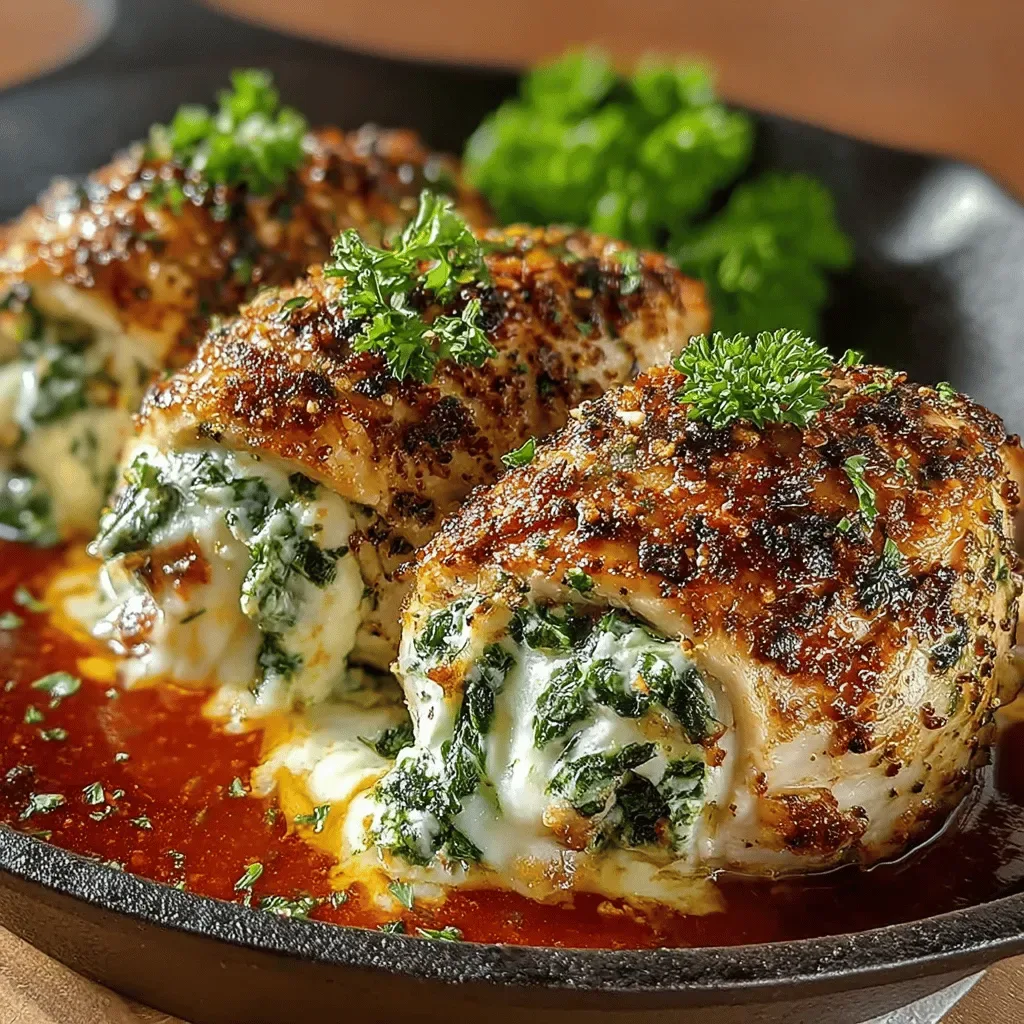
Savory Herbed Ricotta Stuffed Chicken Rolls: A Culinary Delight
Delicious Savory Herbed Ricotta Stuffed Chicken Rolls: A Culinary Delight
 Dinner
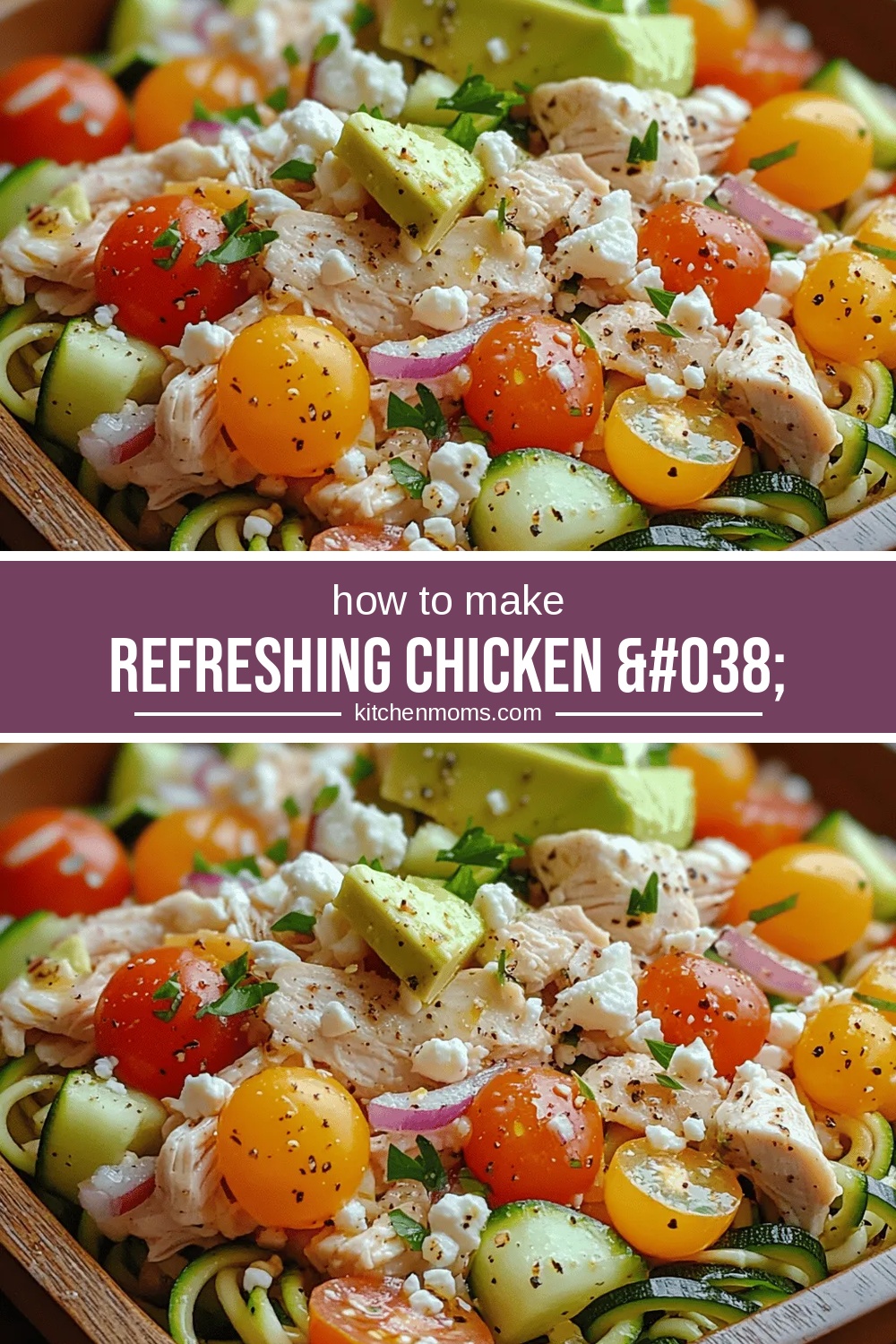
Refreshing Chicken & Zoodle Salad
Delicious Refreshing Chicken & Zoodle Salad
 Dinner
Baked Feta and Spinach Stuffed Shells: A Culinary Delight
Delicious Baked Feta and Spinach Stuffed Shells: A Culinary Delight
 Dinner
Crusty Delight: Baked Salmon with Mayo and Parmesan Herb Crust
Delicious Crusty Delight: Baked Salmon with Mayo and Parmesan Herb Crust
 Dinner
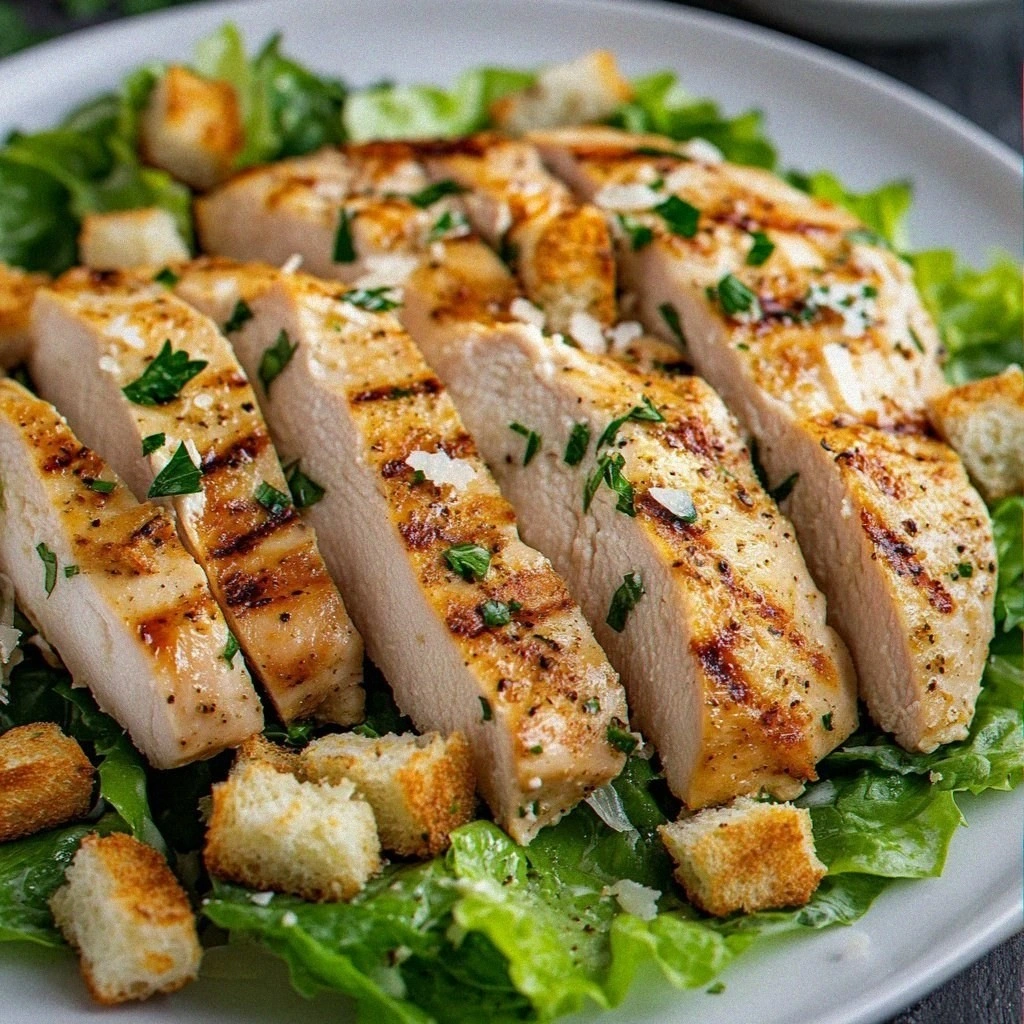
Chicken Caesar Salad: A Deliciously Easy Recipe to Try!
Learn how to make delicious Chicken Caesar Salad: A Deliciously Easy Recipe to Try!. Easy recipe…

Lucy
I cook these recipes at home before they ever land here — simple ingredients, clear steps.