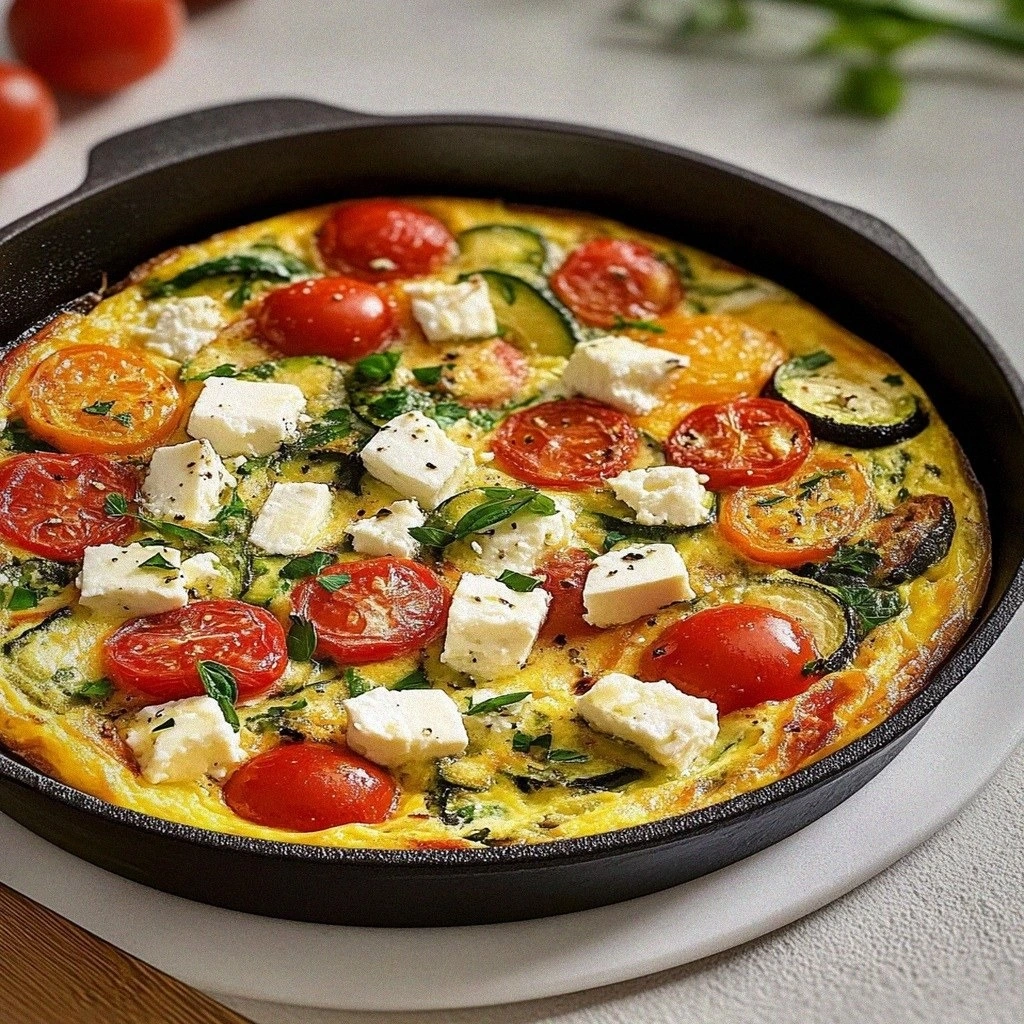
Irresistible Italian Vegetable Frittata with Feta Recipe
 Save
Save
I still remember the first time I tried to make a frittata on a rainy Saturday morning, the kitchen filled with the soft patter of drops against the window and the scent of fresh herbs wafting from the pantry. I was half‑sleepy, half‑excited, and as soon as the skillet hit the stove, the olive oil began to shimmer like liquid gold, promising something comforting and bright. When I finally lifted the lid, a cloud of fragrant steam rose, carrying hints of caramelized onion, sweet bell peppers, and a tangy whisper of feta that made my stomach growl in approval. That moment taught me that a simple egg‑based dish could become a centerpiece, a celebration of color, texture, and the joy of sharing a warm plate with loved ones.
Fast forward a few years, and the “Irresistible Italian Vegetable Frittata with Feta” has become a staple in my family’s brunch rotation, a go‑to when I need a quick yet impressive dish that feels both home‑cooked and restaurant‑worthy. The secret lies in the marriage of fresh Mediterranean vegetables with creamy, crumbly feta, all bound together by fluffy eggs that puff up into a golden crown. Imagine the crackle of the skillet as the edges set, the gentle bubbling around the sides, and the final broil that gives the top a perfectly bronzed finish – it’s a sensory symphony that never fails to draw compliments. But wait, there’s a little trick I discovered in step four that turns an ordinary frittata into a cloud‑like marvel – stay tuned for that revelation.
What makes this recipe truly special is its balance of simplicity and depth. You don’t need a pantry full of exotic spices; just a handful of fresh veggies, a drizzle of high‑quality olive oil, and a good pinch of sea salt will do the heavy lifting. Yet, each bite bursts with layers: the sweetness of bell peppers, the earthy bite of spinach, the savory depth of sautéed onion, and that unmistakable salty tang of feta that ties everything together. It’s the kind of dish that feels wholesome enough for a weekday breakfast yet elegant enough to serve at a weekend gathering, and it can be scaled up or down with ease.
Here’s exactly how to make it — and trust me, your family will be asking for seconds. I’ll walk you through each step, sprinkle in some seasoned advice, and even share a few variations that let you tailor the frittata to whatever you have on hand. By the end, you’ll have not just a recipe, but a reliable, crowd‑pleasing technique you can call on whenever the mood strikes. Ready to dive in? Let’s get cracking.
🌟 Why This Recipe Works
- Flavor Depth: The combination of caramelized onion, sweet bell peppers, and salty feta creates a harmonious flavor profile that feels both rustic and refined. Each ingredient contributes its own note, and together they sing a melody that’s instantly recognizable as classic Italian comfort.
- Texture Contrast: The crisp edges of the frittata contrast beautifully with the soft, melt‑in‑your‑mouth interior, while the crumbled feta adds a pleasant, slightly grainy bite that keeps every forkful interesting.
- Ease of Execution: This dish requires just one pan, a few simple steps, and minimal cleanup, making it perfect for busy mornings or lazy weekend brunches when you still want to impress.
- Time Efficiency: With a total cooking time of under an hour, you can have a hearty, nutritious meal on the table faster than you’d think, leaving plenty of room for coffee and conversation.
- Versatility: The base recipe is a canvas – you can swap in seasonal vegetables, add herbs, or even toss in a handful of cooked sausage for a heartier version without losing the core appeal.
- Nutrition Boost: Packed with protein from the eggs and feta, plus vitamins from the spinach and bell peppers, this frittata offers a balanced bite that fuels both body and mind.
- Ingredient Quality: Using fresh, high‑quality olive oil and ripe vegetables elevates the dish from everyday to extraordinary, proving that simple ingredients can shine when treated with respect.
- Crowd‑Pleasing Factor: The bright colors and familiar flavors make it a safe bet for picky eaters and adventurous palates alike, ensuring smiles around the table.
🥗 Ingredients Breakdown
The Foundation – Eggs & Olive Oil
Large eggs are the heart of any frittata, providing the structure and richness that hold the vegetables together. Using 6‑8 eggs gives you a generous, protein‑packed canvas that can serve four to six people comfortably. I always recommend letting the eggs come to room temperature before whisking; this helps them blend more evenly with the oil and prevents a rubbery texture. Olive oil isn’t just a cooking medium – its fruity, slightly peppery notes seep into the vegetables, creating a subtle backdrop that enhances every bite. If you have access to extra‑virgin olive oil, the flavor difference is noticeable, turning a simple dish into something special.
Aromatics & Spices – Onion, Salt & Pepper
Onion, finely chopped, is the flavor base that adds depth and a sweet‑savory backbone once it softens and caramelizes. I like to sauté it gently until it turns translucent and just begins to brown, releasing a sweet aroma that fills the kitchen. Salt and pepper are the unsung heroes, amplifying every other flavor and balancing the feta’s natural saltiness. A pinch of flaky sea salt at the end can add a delightful crunch, while freshly cracked black pepper introduces a mild heat that lifts the dish without overpowering it. Remember, seasoning is a layered process – taste as you go, and you’ll avoid the common pitfall of under‑seasoned eggs.
The Colorful Cast – Bell Peppers & Spinach
Bell peppers bring a burst of color and natural sweetness that contrasts beautifully with the earthiness of spinach. Using a mix of red, yellow, and green not only makes the frittata visually striking but also adds subtle flavor variations – red peppers are sweeter, green are slightly bitter, and yellow offers a mellow note. Dice them into small pieces so they cook quickly and distribute evenly throughout the egg matrix. Spinach, whether fresh or frozen, adds a lush green hue and a dose of iron and fiber. If you’re using fresh spinach, wilt it briefly in the pan; for frozen, make sure to thaw and squeeze out excess water to avoid a soggy frittata.
The Secret Weapons – Feta Cheese
Feta cheese is the star that brings a tangy, creamy richness to every forkful. Its crumbly texture melts just enough to mingle with the eggs while still providing little pockets of salty brilliance. When choosing feta, look for a block or crumbled version that’s packed in brine; this ensures the cheese stays moist and flavorful. If you’re feeling adventurous, a sprinkle of fresh oregano or a drizzle of honey over the feta just before serving can elevate the taste profile to new heights. The secret here is to add the feta toward the end of the cooking process so it retains its distinct bite without becoming overly salty.
With your ingredients prepped and ready, let's get cooking. Here's where the fun really begins…
🍳 Step-by-Step Instructions
🔐 Expert Tips for Perfect Results
The Taste Test Trick
Before you pour the eggs over the vegetables, take a tiny spoonful of the veggie mixture and taste it. Adjust the seasoning now, because once the eggs set, it’s harder to correct. A pinch more salt or a dash of freshly cracked pepper can make a world of difference, ensuring every bite is balanced.
Why Resting Time Matters More Than You Think
Allowing the frittata to rest for a few minutes after it leaves the oven isn’t just about convenience; it lets the steam redistribute, keeping the interior moist while the edges stay crisp. Skipping this step often results in a dry center, especially if you’re using a larger pan.
The Seasoning Secret Pros Won’t Tell You
A light sprinkle of smoked sea salt on the finished frittata adds a subtle depth that regular table salt can’t achieve. It’s a tiny finish that elevates the dish from home‑cooked to restaurant‑level without any extra effort.
Choosing the Right Pan
A heavy‑bottomed, oven‑safe skillet (cast iron or stainless steel) distributes heat evenly, preventing hot spots that can cause uneven cooking. If you use a thin non‑stick pan, you may need to lower the heat to avoid scorching the bottom while the top remains undercooked.
Incorporating Fresh Herbs at the End
Fresh herbs like basil, parsley, or chives lose their bright flavor when cooked too long. Toss them in just before serving to preserve their aromatic punch, and you’ll notice an instant lift in the overall flavor profile.
🌈 Delicious Variations to Try
One of my favorite things about this recipe is how versatile it is. Here are some twists I've tried and loved:
Mediterranean Sunrise
Swap the spinach for arugula and add sun‑dried tomatoes for a peppery bite and a chewy texture. The arugula’s slight bitterness balances the sweet peppers, while the tomatoes bring an intense umami punch.
Cheesy Delight
Add a handful of shredded mozzarella or provolone alongside the feta for a gooier, melty experience. This variation is perfect for kids who love stretchy cheese but still appreciate the veggie goodness.
Protein Power
Incorporate cooked, diced chicken breast or Italian sausage for a heartier meal. The added protein makes the frittata suitable for a post‑workout refuel or a main‑course dinner.
Herb Garden
Mix fresh herbs like rosemary, thyme, and oregano into the egg mixture before pouring. The herbs infuse the frittata with a fragrant, woodsy aroma that feels like a stroll through a Tuscan garden.
Spicy Kick
Stir in a pinch of red pepper flakes or a diced jalapeño when sautéing the onions. The gentle heat adds a surprising zing that pairs beautifully with the cooling feta.
Veggie‑Only Light
Leave out the feta and replace it with a dollop of ricotta after baking. This keeps the dish lower in sodium while still offering a creamy contrast to the vegetables.
📦 Storage & Reheating Tips
Refrigerator Storage
Allow the frittata to cool to room temperature, then wrap it tightly in plastic wrap or store in an airtight container. It will keep fresh for up to three days, and the flavors actually deepen as the ingredients meld together.
Freezing Instructions
Slice the frittata into individual portions, place each slice on a parchment sheet, and freeze until solid. Transfer the frozen slices to a zip‑top freezer bag, label with the date, and store for up to two months. When you’re ready to enjoy, reheat directly from frozen using the methods below.
Reheating Methods
For the best texture, reheat in a skillet over medium‑low heat with a splash of water or broth, covering the pan for a minute to create steam. Alternatively, microwave for 45‑60 seconds, then finish under the broiler for a minute to restore the golden crust. The trick to reheating without drying it out? A splash of olive oil or a few drops of water creates gentle steam that keeps the interior moist.
❓ Frequently Asked Questions
Can I make this frittata without feta?
What’s the best type of pan for this recipe?
Can I add other vegetables?
How do I prevent the frittata from sticking?
Can I make this recipe vegan?
Is it okay to add herbs directly to the egg mixture?
What’s the best way to reheat leftovers without drying them out?
Can I use goat cheese instead of feta?
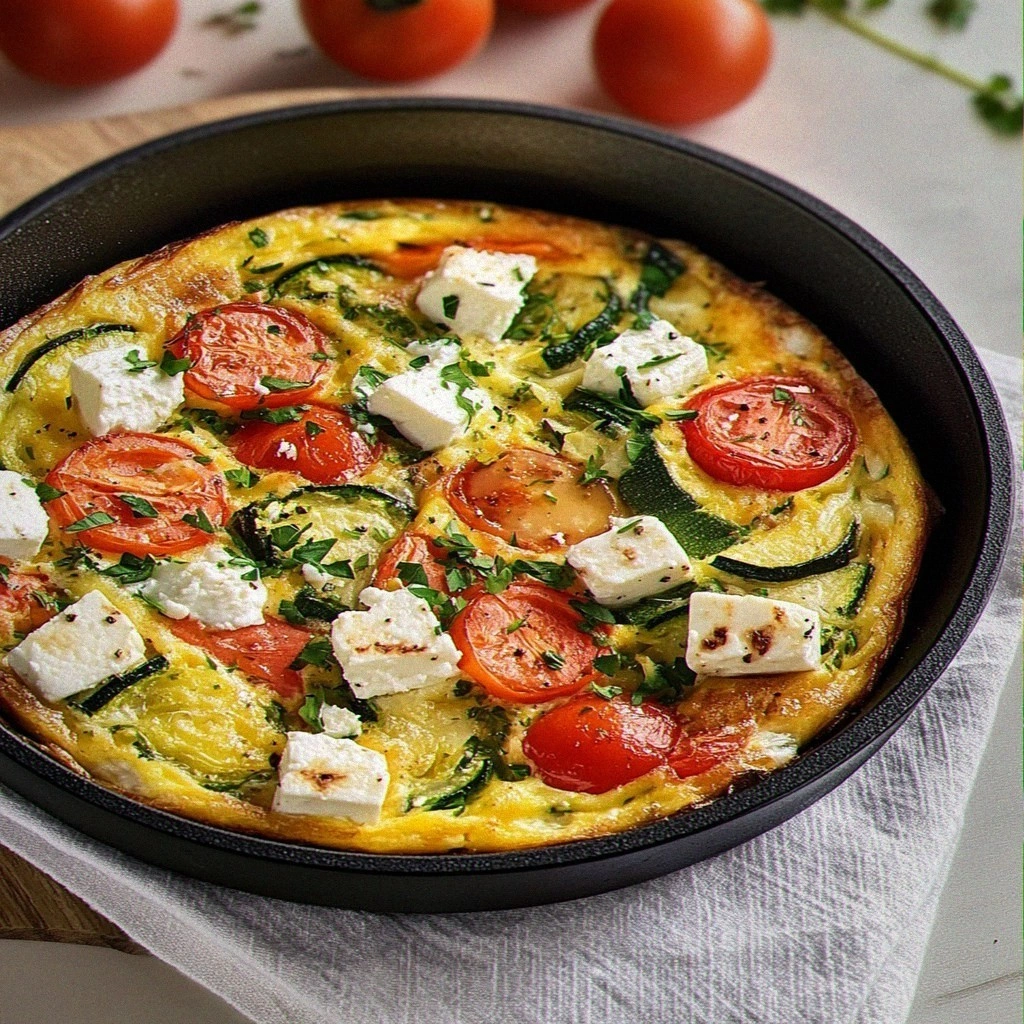
When the base is set but the top is still a little runny, sprinkle the crumbled feta evenly over the surface. The feta will begin to melt just enough to create little pockets of creamy tang. If you love a golden crust, now is the time to transfer the skillet to a preheated broiler (about 500°F/260°C) for 2‑3 minutes, watching closely so the cheese browns without burning. You’ll notice the edges puff up and the top turning a beautiful amber hue – that’s the signal it’s ready.
Remove the skillet from the oven and let the frittata rest for three minutes. This short rest allows the residual heat to finish cooking the center while the flavors meld together. Slide a wide spatula around the edges, then gently invert the frittata onto a serving plate – the top will be perfectly golden, the feta slightly melted, and the vegetables nestled like a colorful mosaic.
Slice the frittata into wedges and serve warm, accompanied by a simple side salad or crusty bread. The first bite should reveal a fluffy interior dotted with sweet peppers, tender spinach, and pockets of salty feta that melt on the tongue. Go ahead, take a taste — you’ll know exactly when it’s right. And the result? A dish that feels both comforting and sophisticated, ready to become a family favorite.
Similar Recipes
 Breakfast
Zesty Strawberry Lemon Poppy Seed Muffins: A Delightful Treat
Delicious Zesty Strawberry Lemon Poppy Seed Muffins: A Delightful Treat
 Breakfast
Cinnamon Sugar Donut Muffins Recipe
Delicious Cinnamon Sugar Donut Muffins Recipe
 Breakfast
Spicy Chickpea Avocado Toast with a Kick
Delicious Spicy Chickpea Avocado Toast with a Kick
 Breakfast
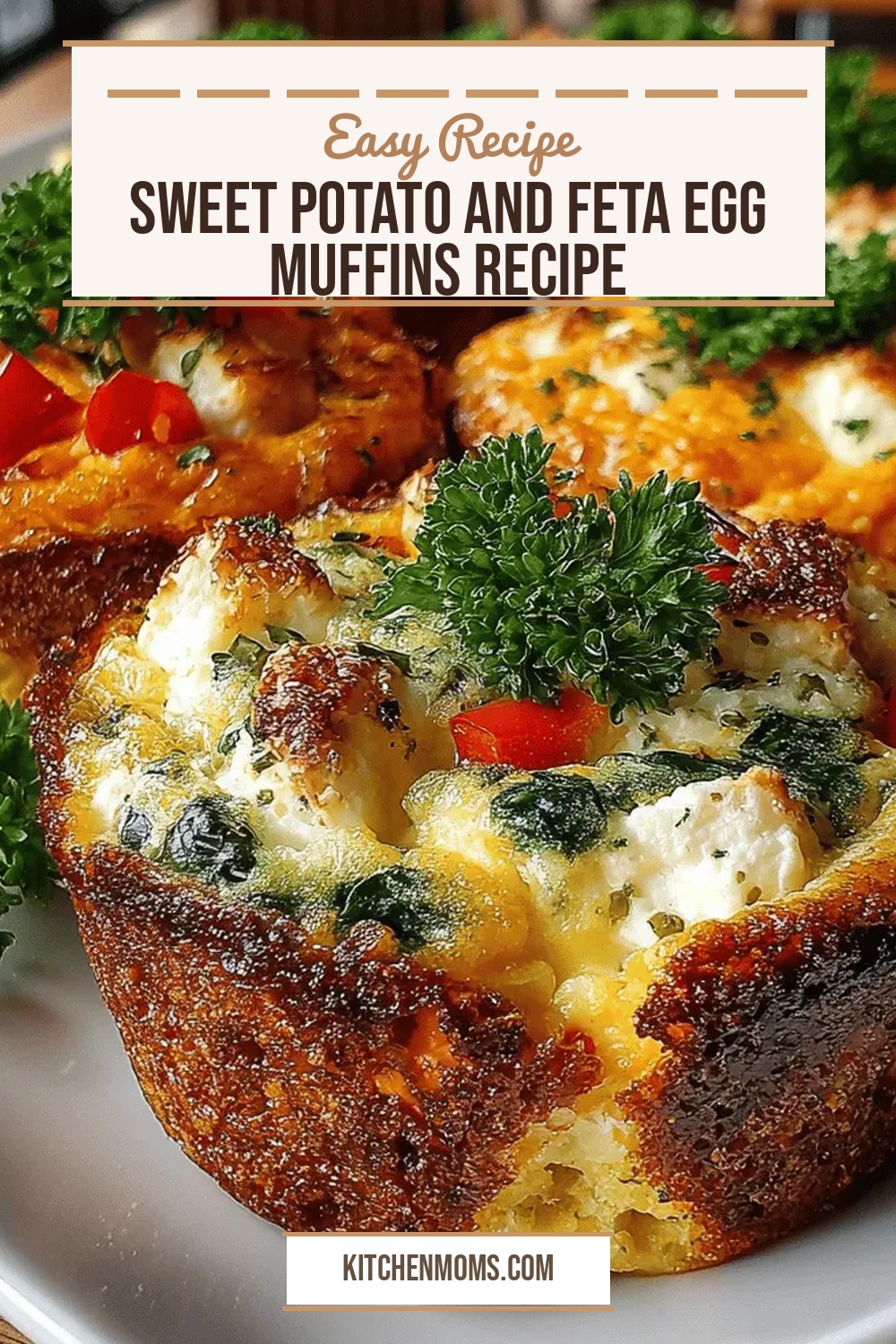
Sweet Potato and Feta Egg Muffins Recipe
Delicious Sweet Potato and Feta Egg Muffins Recipe
 Breakfast
Savory Egg and Spinach Breakfast Wraps
Delicious Savory Egg and Spinach Breakfast Wraps
 Breakfast
Tropical Bliss Mango Avocado Toast Recipe
Delicious Tropical Bliss Mango Avocado Toast Recipe
 Breakfast
Berrylicious Blueberry Banana Muffin Bites Recipe
Delicious Berrylicious Blueberry Banana Muffin Bites Recipe
 Breakfast
Crispy Feta Egg Breakfast Wrap
Delicious Crispy Feta Egg Breakfast Wrap

Lucy
I cook these recipes at home before they ever land here — simple ingredients, clear steps.