One Pot Creamy Cajun Chicken Penne
 Save
Save
It was a chilly Saturday night in early October, the kind of evening when the wind whistles through the cracked‑open windows and the kitchen becomes the warm heart of the house. I was rummaging through my pantry, trying to decide what to throw together for my family, when a sudden flash of memory hit me: the first time I ever made a one‑pot pasta, the sauce was so creamy it clung to each penne like a velvety blanket, and the Cajun spices made my taste buds dance like they were at a New Orleans street parade. The moment you lift the lid, a cloud of fragrant steam hits you—smoky paprika, sweet onion, and a hint of garlic that makes the whole house feel alive. That memory sparked a craving, and before I knew it, I was pulling out chicken breasts, a jar of heavy cream, and my trusty Cajun seasoning blend.
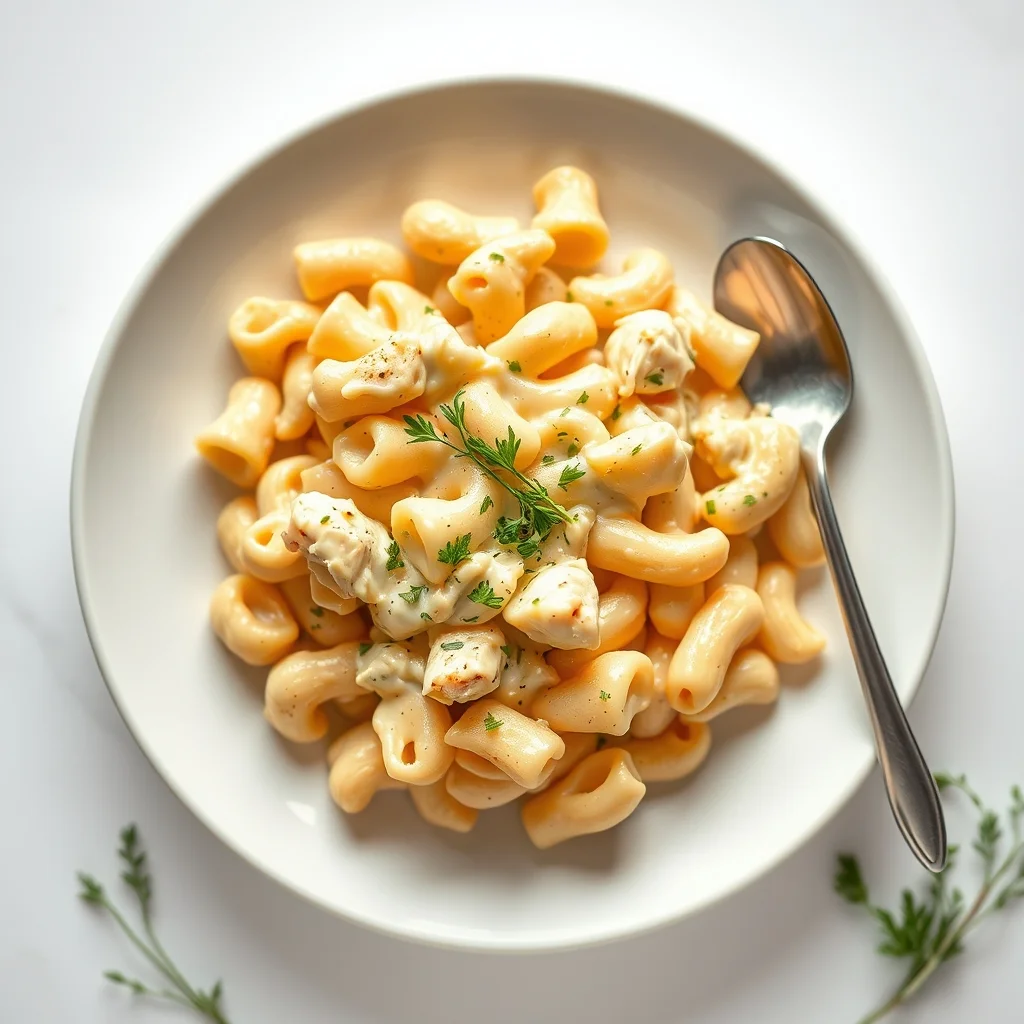
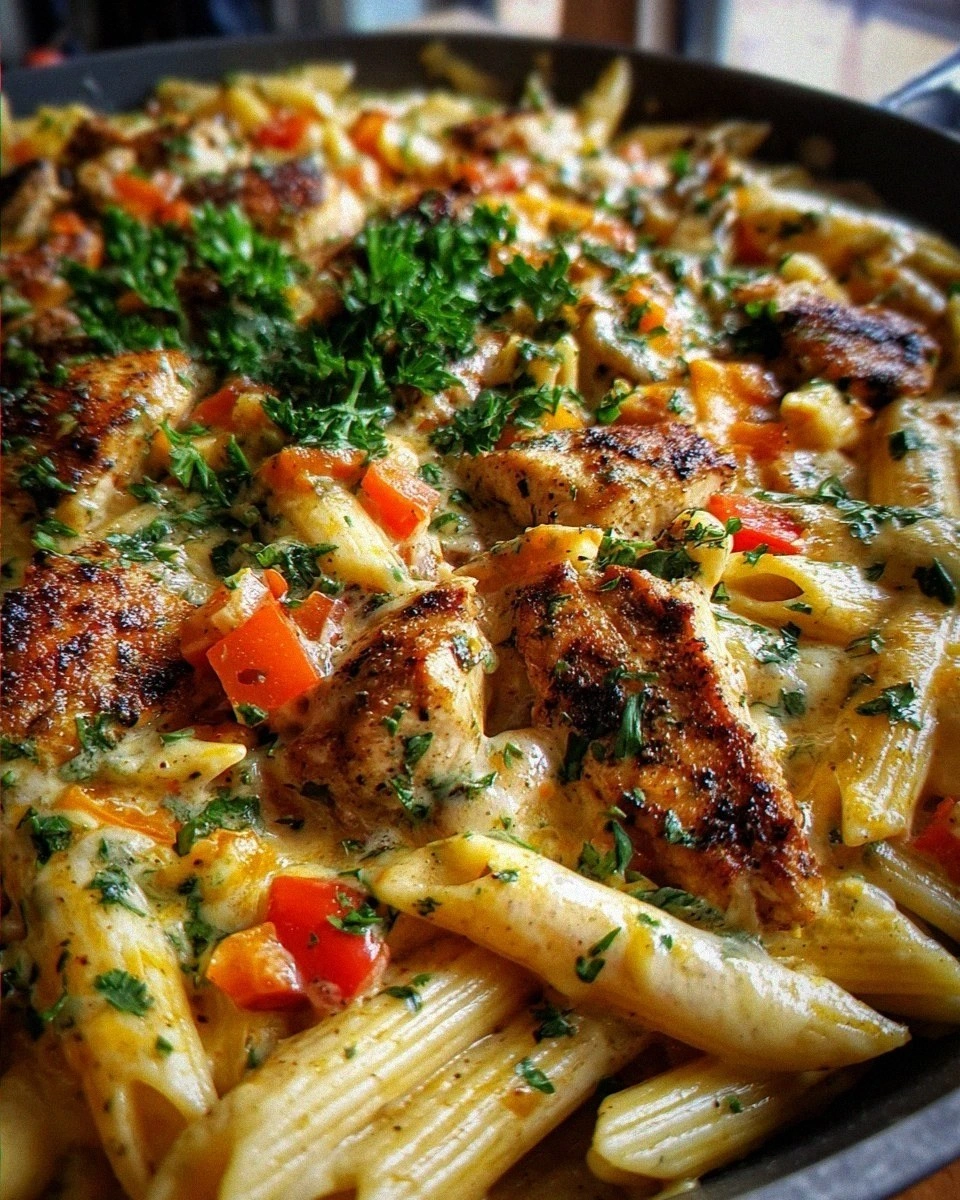
What makes this dish a true crowd‑pleaser isn’t just the bold flavors; it’s the simplicity of doing everything in one pot. No more juggling multiple pans, no more dishes piled up in the sink, just a single skillet that does the heavy lifting while you sit back and watch the colors deepen and the aromas rise. Imagine the sight of golden‑brown chicken pieces caramelizing, the penne soaking up a luscious sauce, and the final garnish of fresh parsley adding a pop of green that looks as good as it tastes. Have you ever wondered why restaurant versions of Cajun pasta feel so much richer? The secret is in the balance of cream, broth, and that magical Cajun spice mix, and I’m about to let you in on that secret.
But wait—there’s a little trick in step four that transforms a good sauce into a restaurant‑quality velvety masterpiece. I’ll reveal it later, and trust me, you’ll want to bookmark this page so you don’t miss it. As you read on, picture your family gathering around the table, the first bite causing eyes to widen and forks to hover for a second, that moment when the flavors click and everyone says, “More, please!” The best part? You’ll need only a handful of ingredients, a single pot, and about 45 minutes of your time. Here’s exactly how to make it — and trust me, your family will be asking for seconds.
🌟 Why This Recipe Works
- Flavor Depth: The Cajun seasoning brings smoky, earthy notes that mingle with the richness of cream, creating layers of taste that evolve with each bite. The heat isn’t overwhelming; it’s a gentle warmth that makes you want more.
- Texture Harmony: The penne’s ridges trap the sauce, while the chicken stays juicy thanks to the quick sear, resulting in a perfect bite‑to‑sauce ratio that feels luxurious without being heavy.
- One‑Pot Efficiency: By cooking the pasta directly in the broth and sauce, the starches released turn the liquid into a naturally thickened cream, eliminating the need for a separate roux.
- Time‑Savvy: From prep to plate it’s under an hour, making it ideal for busy weeknights yet impressive enough for weekend gatherings.
- Versatility: Swap chicken for shrimp, use gluten‑free pasta, or add extra veggies—the base stays delicious, and you can tailor it to any dietary need.
- Nutrition Balance: A good source of protein from the chicken, healthy fats from the cream, and complex carbs from the penne, all wrapped in a sauce that feels indulgent but isn’t over the top.
- Ingredient Quality: Fresh garlic, ripe bell peppers, and high‑quality Cajun spice elevate a simple pantry dish into something restaurant‑worthy.
- Crowd‑Pleaser Factor: The bold, comforting flavors appeal to both kids and adults, making it a reliable go‑to for family meals or casual dinner parties.
🥗 Ingredients Breakdown
The Foundation
The base of this dish is simple: penne pasta, chicken broth, and heavy cream. Penne’s tubular shape is perfect for catching every drop of sauce, while the broth adds a savory backbone that prevents the cream from feeling too heavy. If you’re looking for a gluten‑free option, try gluten‑free penne or even rotini; the texture will still hold the sauce beautifully. Choose a low‑sodium chicken broth so you can control the salt level later on, and opt for a full‑fat heavy cream for that luxurious mouthfeel. The cream is what transforms the broth into a silky sauce, so don’t be tempted to substitute with milk unless you’re aiming for a lighter version.
Aromatics & Spices
The aromatics—onion, garlic, and bell pepper—form the flavor foundation. Dice the onion finely so it melts into the sauce, releasing natural sweetness. Garlic, crushed or minced, adds that unmistakable pungent bite that balances the cream’s richness. Bell peppers (I love a mix of red and orange) contribute a subtle sweetness and a splash of color that makes the dish visually inviting. The star of the show is the Cajun seasoning, a blend of paprika, cayenne, thyme, oregano, and garlic powder. If you’re adventurous, add a pinch of smoked paprika for an extra layer of depth. Remember, the seasoning is the secret behind the dish’s “restaurant” vibe.
The Secret Weapons
Two ingredients elevate this dish from ordinary to unforgettable: Parmesan cheese and a splash of white wine. Freshly grated Parmesan melts into the sauce, adding umami and a gentle nuttiness that deepens the flavor. A quarter cup of dry white wine deglazes the pan after searing the chicken, lifting any browned bits (fond) and infusing the sauce with a bright acidity that cuts through the richness. If you don’t have wine on hand, a splash of lemon juice works as a substitute, but the wine’s complexity is hard to beat.
Finishing Touches
A handful of fresh parsley, a drizzle of olive oil, and a sprinkle of extra Parmesan at the end add brightness, sheen, and a final burst of flavor. The parsley’s herbaceous note balances the heat, while the olive oil gives the sauce a glossy finish that looks restaurant‑ready. For those who love a little extra kick, a dash of crushed red pepper flakes can be added just before serving. And if you’re feeling extra indulgent, a dollop of crème fraîche on top creates a beautiful marbled effect that’s as pleasing to the eye as it is to the palate.
With your ingredients prepped and ready, let's get cooking. Here's where the fun really begins...
🍳 Step-by-Step Instructions
🔐 Expert Tips for Perfect Results
The Taste Test Trick
Before you finish cooking, scoop a spoonful of sauce and let it cool for a few seconds. Taste it and ask yourself: “Does it need more salt, more heat, or a touch of acidity?” This quick check prevents you from ending up with a bland or overly salty dish. I once served a batch that was missing that final pinch of salt, and the whole family politely said the sauce was “nice but could be better.” A simple taste test saved the next dinner.
Why Resting Time Matters More Than You Think
Even though the dish looks perfect the moment you finish, letting it sit for two minutes off the heat lets the starches fully absorb the sauce, creating a silkier texture. The chicken also re‑absorbs some of the juices, staying moist. This short rest is the secret behind that restaurant‑level mouthfeel that many home cooks overlook.
The Seasoning Secret Pros Won’t Tell You
Professional chefs often finish a creamy dish with a splash of hot sauce or a dash of smoked paprika right before plating. This adds a subtle smoky undertone that you might not notice until you take that first bite. Trust me on this one: a tiny pinch can elevate the entire flavor profile without making the dish overtly spicy.
Pasta Cooking Precision
Because the penne cooks directly in the broth, you need to watch the liquid level closely. If the sauce starts to look too dry before the pasta is al dente, simply add a splash of warm broth or water. This prevents the pasta from sticking and ensures a creamy consistency throughout.
Choosing the Right Chicken
I always recommend using boneless, skinless chicken thighs instead of breasts if you want extra juiciness. Thighs have a higher fat content, which means they stay tender even after a quick sear. However, if you prefer leaner meat, chicken breasts work perfectly—just be careful not to overcook them.
🌈 Delicious Variations to Try
One of my favorite things about this recipe is how versatile it is. Here are some twists I've tried and loved:
Cajun Shrimp & Sausage Remix
Swap the chicken for peeled shrimp and sliced Andouille sausage. The shrimp cooks quickly, adding a sweet, briny contrast, while the sausage brings a smoky depth that complements the Cajun seasoning. The flavor profile becomes more coastal, perfect for a summer dinner.
Creamy Veggie Medley
Add a mix of zucchini, mushrooms, and spinach in place of half the chicken. The vegetables release their own juices, making the sauce even more vibrant. This variation is a great way to sneak extra nutrients into a comforting dish.
Cheesy Tex‑Mex Fusion
Stir in a cup of shredded Monterey Jack and a handful of black beans after the cream is incorporated. The cheese melts into a gooey layer, while the beans add protein and a subtle earthiness. Top with sliced avocado and a squeeze of lime for a fresh finish.
Spicy Tomato‑Basil Twist
Add a can of diced tomatoes and a tablespoon of tomato paste when you deglaze with wine. Finish with fresh basil instead of parsley. The acidity of the tomatoes balances the richness, and the basil adds a sweet, aromatic note.
Low‑Carb Cauliflower Penne
Replace the penne with cauliflower “rice” or riced cauliflower. The dish becomes lighter but still retains the creamy sauce and bold spices. It’s an excellent option for those watching carbs without sacrificing flavor.
Herb‑Infused Cream
Infuse the heavy cream with fresh thyme and a bay leaf before adding it to the pot. Simmer gently, then strain out the herbs. This adds a subtle herbaceous undertone that makes the sauce feel more complex and sophisticated.
📦 Storage & Reheating Tips
Refrigerator Storage
Allow the dish to cool to room temperature (no more than two hours), then transfer it to an airtight container. It will keep fresh for up to three days. When reheating, add a splash of broth or milk to revive the sauce’s creaminess, and stir gently over low heat.
Freezing Instructions
Portion the leftovers into freezer‑safe bags or containers, leaving a little headspace for expansion. Freeze for up to two months. To reheat, thaw overnight in the fridge, then warm in a skillet over medium heat, adding a bit of broth or cream to loosen the sauce.
Reheating Methods
The best method is a gentle stovetop reheating: place the portion in a pan, add a tablespoon of water or broth, cover, and heat until steaming hot, stirring occasionally. For a quick microwave fix, cover the bowl loosely with a damp paper towel and heat in 30‑second intervals, stirring between each to ensure even warmth. The trick to reheating without drying it out? A splash of milk or cream right before serving brings back that luscious texture.
❓ Frequently Asked Questions
Can I use a different type of pasta?
How spicy is the Cajun seasoning?
Can I make this dish dairy‑free?
What if I don’t have chicken broth?
Is it okay to add more vegetables?
Can I prepare this ahead of time?
Why does the sauce sometimes separate?
Can I freeze the sauce separately?
When the pasta is nearly done, return the seared chicken to the pot, along with any juices that collected on the plate. Stir in the heavy cream and grated Parmesan cheese, letting them melt into the sauce. The sauce should now have a glossy, velvety sheen; if it looks too thick, add a splash more broth or a tablespoon of milk to reach your desired consistency. Taste and adjust seasoning with salt, pepper, or an extra pinch of Cajun spice if you crave more heat.
Turn off the heat and let the dish rest for two minutes; this allows the flavors to meld together and the sauce to settle. Sprinkle chopped fresh parsley over the top, drizzle a little olive oil, and give everything a final gentle toss. The parsley adds a fresh, herbaceous pop that brightens the rich sauce, while the olive oil gives a subtle fruitiness and a beautiful glossy finish.
Serve the One Pot Creamy Cajun Chicken Penne straight from the skillet, or transfer to a serving bowl if you prefer. Offer extra Parmesan and a wedge of lemon on the side for those who love a citrusy lift. Go ahead, take a taste — you’ll know exactly when it’s right: the penne should be coated in a sauce that clings, the chicken tender, and the heat just enough to make your palate tingle without overwhelming.