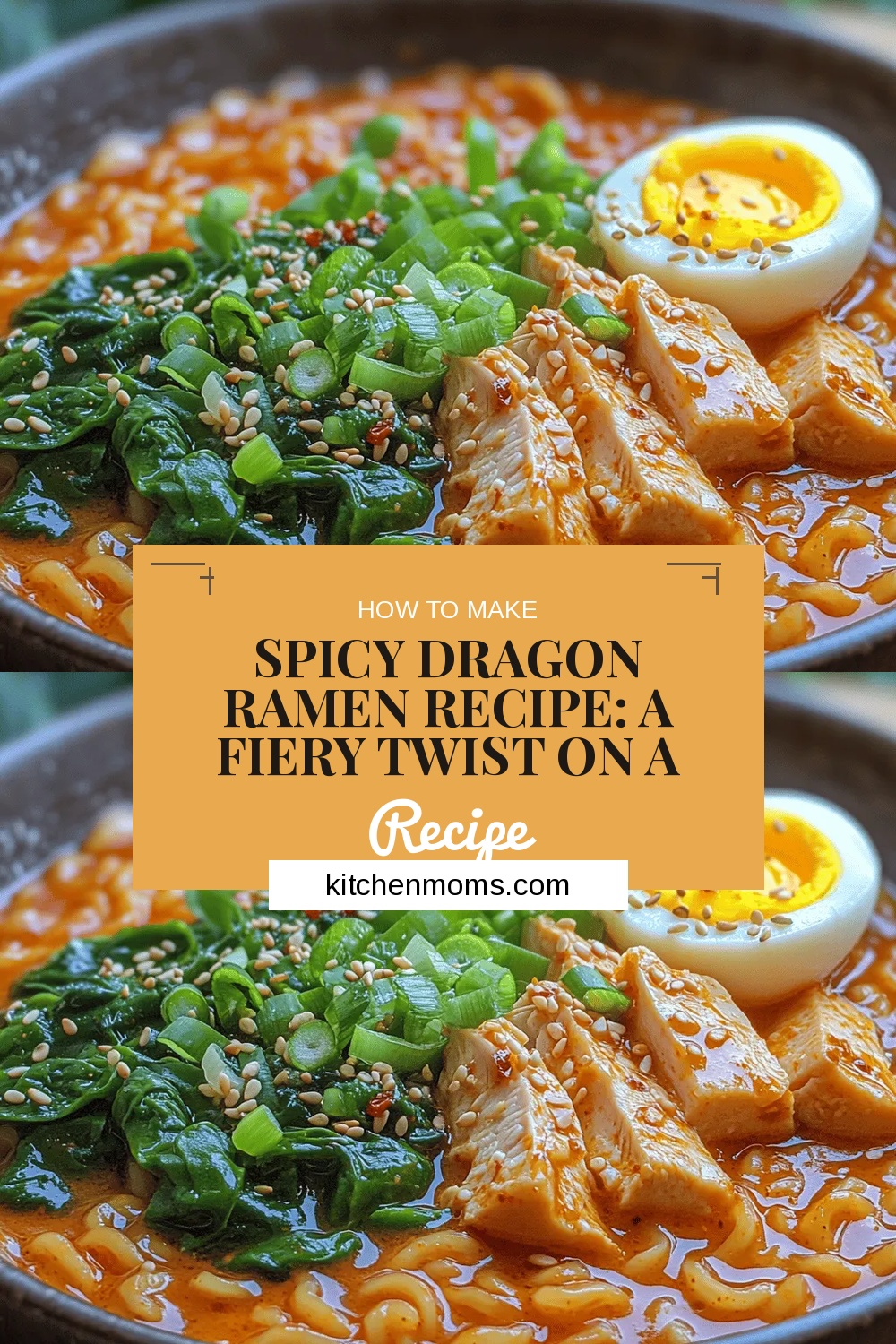
Spicy Dragon Ramen Recipe: A Fiery Twist on a Beloved Classic
 Save
Save
Craving something that delivers heat, depth, and comfort all at once? Meet the Spicy Dragon Ramen – a bold, fiery twist on the classic Japanese noodle soup that will set your taste buds alight. This bowl marries silky ramen noodles with a tongue‑tingling broth, smoky charred pork, and a cascade of bright vegetables, all crowned with a drizzle of dragon‑fire oil.
What makes this recipe stand out is the layered heat profile: a base of miso‑soy broth, a splash of Korean gochujang, and a finishing drizzle of chili‑infused sesame oil. The result is a balanced heat that builds without overwhelming, letting each ingredient shine.
Fans of bold Asian flavors, spice lovers, and anyone looking for a satisfying dinner after a long day will adore this dish. It’s perfect for casual weeknight meals, weekend gatherings, or even a spirited game‑night feast.
The cooking process is straightforward: start by preparing the broth, while simultaneously searing the pork and blanching the vegetables. Cook the ramen noodles, combine everything, and finish with the signature dragon‑fire drizzle. In under 45 minutes you’ll have a restaurant‑quality bowl ready to devour.
Why You'll Love This Recipe
Layered Heat: The combination of gochujang, chili oil, and a pinch of Sichuan peppercorns creates a progressive spiciness that keeps you reaching for the next bite.
Comfort in a Bowl: Silky ramen noodles and a rich, umami‑packed broth deliver the ultimate comfort‑food feeling, perfect for cooler evenings.
Quick Weeknight Solution: With a prep time of just 20 minutes and a single‑pot cooking method, this dish fits effortlessly into a busy schedule.
Customizable Spice: Adjust the amount of gochujang or chili oil to suit your heat tolerance, making it friendly for both mild and extreme spice fans.
Tips & Tricks
Perfecting the Recipe
Pre‑Season the Pork. Let the pork sit in soy sauce for at least 15 minutes before searing; this creates a flavorful crust and prevents dryness.
Control the Heat. Adjust the amount of gochujang and red pepper flakes to suit your tolerance; start with less and add more at the end if needed.
Use a Hot Pan. Ensure the wok is smoking hot before adding pork; this guarantees a crisp, caramelized exterior without steaming.
Don’t Overcook Noodles. Ramen should remain slightly firm (al dente); overcooked noodles become mushy and absorb too much broth.
Flavor Enhancements
Finish each bowl with a squeeze of fresh lime juice for bright acidity, and stir in a tablespoon of toasted sesame seeds for nutty crunch. For an umami boost, add a dash of fish sauce or a spoonful of fermented bean paste just before serving.
Common Mistakes to Avoid
Skipping the sear on the pork results in a bland, soggy texture. Also, adding the miso paste directly to boiling broth can cause it to clump; whisk it in over low heat to keep it smooth. Finally, avoid stirring the broth too vigorously once the noodles are added, as this can break them apart.
Pro Tips
Make Dragon‑Fire Oil Ahead. Gently warm sesame oil with crushed red chilies for 5 minutes, then strain. Store in a sealed jar for up to a month.
Use a Thermometer. Pork belly is safest at 145 °F (63 °C); a quick check ensures juicy, perfectly cooked meat.
Layer Spice. Add a small amount of gochujang early, then finish with fresh chili oil; this builds depth without overwhelming the palate.
Rest the Noodles. After draining, toss noodles with a dash of sesame oil to prevent sticking while you finish the broth.
Variations
Ingredient Swaps
Swap pork belly for thinly sliced chicken thigh, beef ribeye, or firm tofu for a vegetarian option. Replace bok choy with napa cabbage or spinach for a different texture. If you prefer a sweeter profile, substitute honey for a drizzle of maple syrup just before serving.
Dietary Adjustments
For gluten‑free diners, use tamari instead of soy sauce and verify that your gochujang is wheat‑free. To make the dish vegan, replace pork with marinated tempeh and use vegetable broth. Keto lovers can swap traditional ramen noodles for shirataki or spiralized zucchini noodles.
Serving Suggestions
Serve the Dragon Ramen with a side of pickled ginger and a small bowl of edamame for added protein. A crisp cucumber‑radish salad dressed with rice vinegar balances the heat, while a warm miso‑glazed egg adds richness for those who want extra indulgence.
Storage Info
Leftover Storage
Cool the ramen to room temperature, then separate the broth from the noodles and protein. Store the broth in an airtight container for up to 4 days in the refrigerator. Keep noodles and pork in separate containers to prevent sogginess. For longer keeping, freeze the broth in portion‑size bags for up to 3 months; label with the date.
Reheating Instructions
Reheat broth on the stovetop over medium heat until it gently bubbles, adding a splash of water if it’s too thick. Warm noodles in boiling water for 30 seconds, then drain. Combine and finish with a fresh drizzle of dragon‑fire oil. For a quick microwave option, heat broth in a covered bowl for 2‑3 minutes, stirring halfway through, then toss with noodles.
Frequently Asked Questions
Can I make this recipe in advance?
Can I use frozen pork belly for this dish?
How spicy is this ramen, and can I tone it down?
What side dishes pair best with Spicy Dragon Ramen?
This Spicy Dragon Ramen delivers a thrilling heat wave wrapped in comforting broth, tender pork, and perfectly cooked noodles. By following the step‑by‑step guide, mastering the sauce, and using the pro tips, you’ll consistently achieve a restaurant‑level bowl at home. Feel free to experiment with protein swaps or spice levels—cooking is your canvas. Gather your ingredients, light the stove, and enjoy a fiery, satisfying dinner that will leave everyone asking for seconds.
Spicy Dragon Ramen Recipe: A Fiery Twist on a Beloved Classic
Delicious Spicy Dragon Ramen Recipe: A Fiery Twist on a Beloved Classic
Ingredients
Noodles & Base
- 400 g fresh ramen noodles
- 4 cups low‑sodium chicken broth
Protein
- 300 g pork belly, thinly sliced
- 1 tablespoon soy sauce (for marinating)
Vegetables
- 1 cup baby bok choy, chopped
- ½ cup shiitake mushrooms, sliced
- ½ cup carrots, julienned
- 2 green onions, thinly sliced
Sauce & Flavor Base
- 2 tablespoons red miso paste
- 1 tablespoon gochujang (Korean chili paste)
- 1 teaspoon toasted sesame oil
- 1 teaspoon rice vinegar
Seasonings & Garnishes
- ½ teaspoon Sichuan peppercorns, toasted and ground
- ½ teaspoon crushed red pepper flakes
- 1 tablespoon dragon‑fire oil (see note below)
- Fresh cilantro leaves for garnish
Instructions
Cooking the Protein
- Heat a wok or large skillet. Add a splash of neutral oil and set the heat to medium‑high. When the oil shimmers, lay the marinated pork belly in a single layer. Let it sear undisturbed for 2‑3 minutes until the edges turn caramelized, then flip and cook another 2 minutes. This quick sear locks in juices and creates a smoky flavor that will infuse the broth later.
- Remove and set aside. Transfer the pork to a plate and keep warm. The rendered fat stays in the pan and will be used to sauté the aromatics, adding another layer of richness.
Sautéing Aromatics & Vegetables
- Deglaze the pan. Add a splash of the simmering broth to the pork‑fat‑laden pan, scraping up browned bits with a wooden spoon. These bits, called “fond,” are flavor gold and will deepen the broth’s complexity.
- Introduce vegetables. Toss in the ½ cup shiitake mushrooms and ½ cup carrots. Stir‑fry for 2 minutes until they start to soften but retain crunch. Finally, add the 1 cup bok choy and cook for another minute; the greens should wilt just enough to release their bright flavor.
Assembling the Bowl
- Combine broth and veggies. Return the simmering broth to the pan with the sautéed vegetables. Stir in ½ teaspoon Sichuan peppercorns and ½ teaspoon crushed red pepper flakes. Let the mixture gently boil for 2 minutes so the spices release their aroma.
- Integrate the pork. Slice the seared pork belly into bite‑size strips and add them back to the broth. Allow everything to heat through for another minute, ensuring the pork stays juicy.
- Finish with dragon‑fire oil. Drizzle 1 tablespoon dragon‑fire oil around the edge of the pan; it will swirl and create a glossy, fiery sheen that defines the dish.
- Plate. Divide the cooked ramen noodles among four bowls. Ladle the hot broth, pork, and vegetables over the noodles. Garnish with 2 green onions, fresh cilantro, and an extra pinch of red pepper flakes if you crave more heat.
Similar Recipes
 Dinner
Healthy Winter Minestrone Soup for Clean Start
Learn how to make delicious Healthy Winter Minestrone Soup for Clean Start. Easy recipe with step-by-step…
 Dinner
Italian Sausage Stuffed Bell Peppers Recipe
Delicious Italian Sausage Stuffed Bell Peppers Recipe
 Dinner
Hearty Beef & Mushroom Country Casserole: A Comforting Family Meal
Delicious Hearty Beef & Mushroom Country Casserole: A Comforting Family Meal
 Dinner
batch cook turkey and winter vegetable stew with fresh thyme
Learn how to make delicious batch cook turkey and winter vegetable stew with fresh thyme. Easy…
 Dinner
Quick Lentil and Veggie Stir-Fry Bowl
Delicious Quick Lentil and Veggie Stir-Fry Bowl
 Dinner
Spicy Thai Basil Beef Stir Fry: A Flavorful Journey Through Thai Cuisine
Delicious Spicy Thai Basil Beef Stir Fry: A Flavorful Journey Through Thai Cuisine
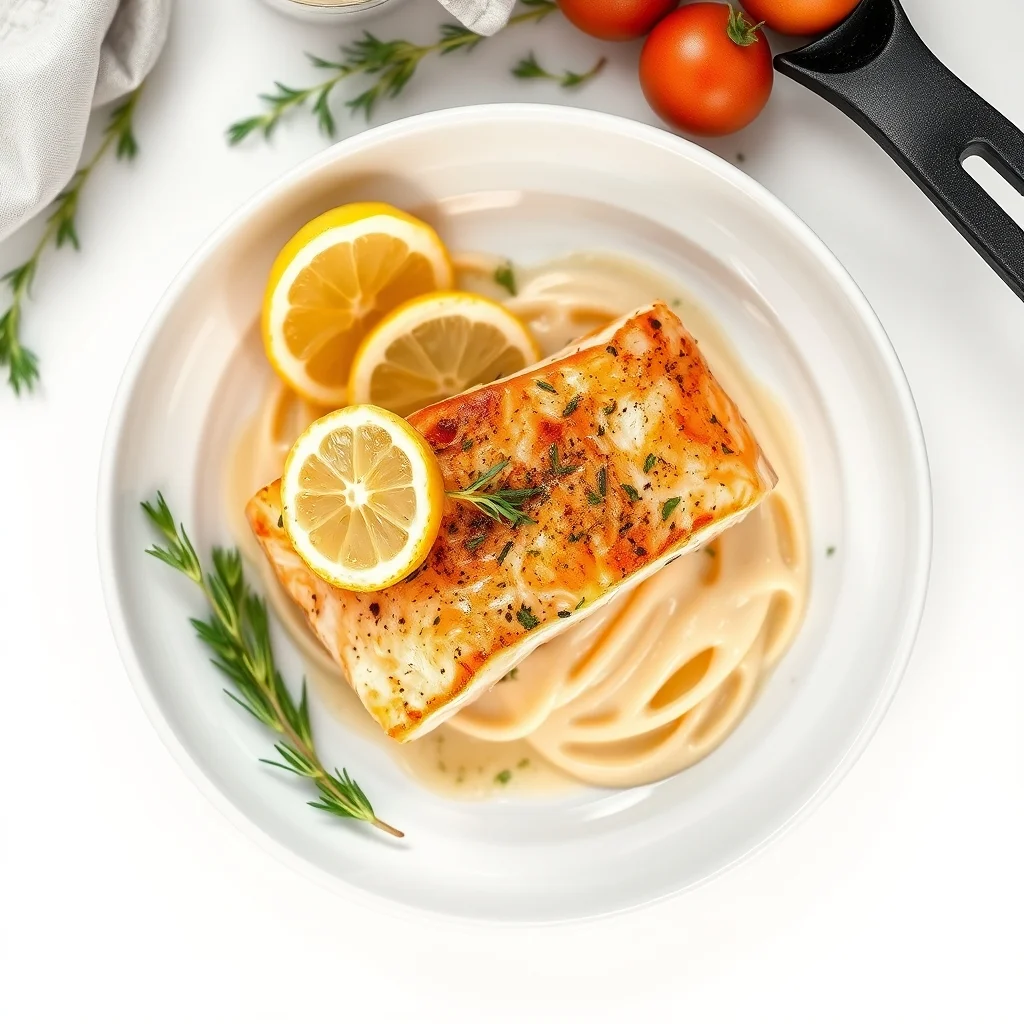 Dinner
Skillet Lemon Garlic Salmon Perfection
Delicious Skillet Lemon Garlic Salmon Perfection
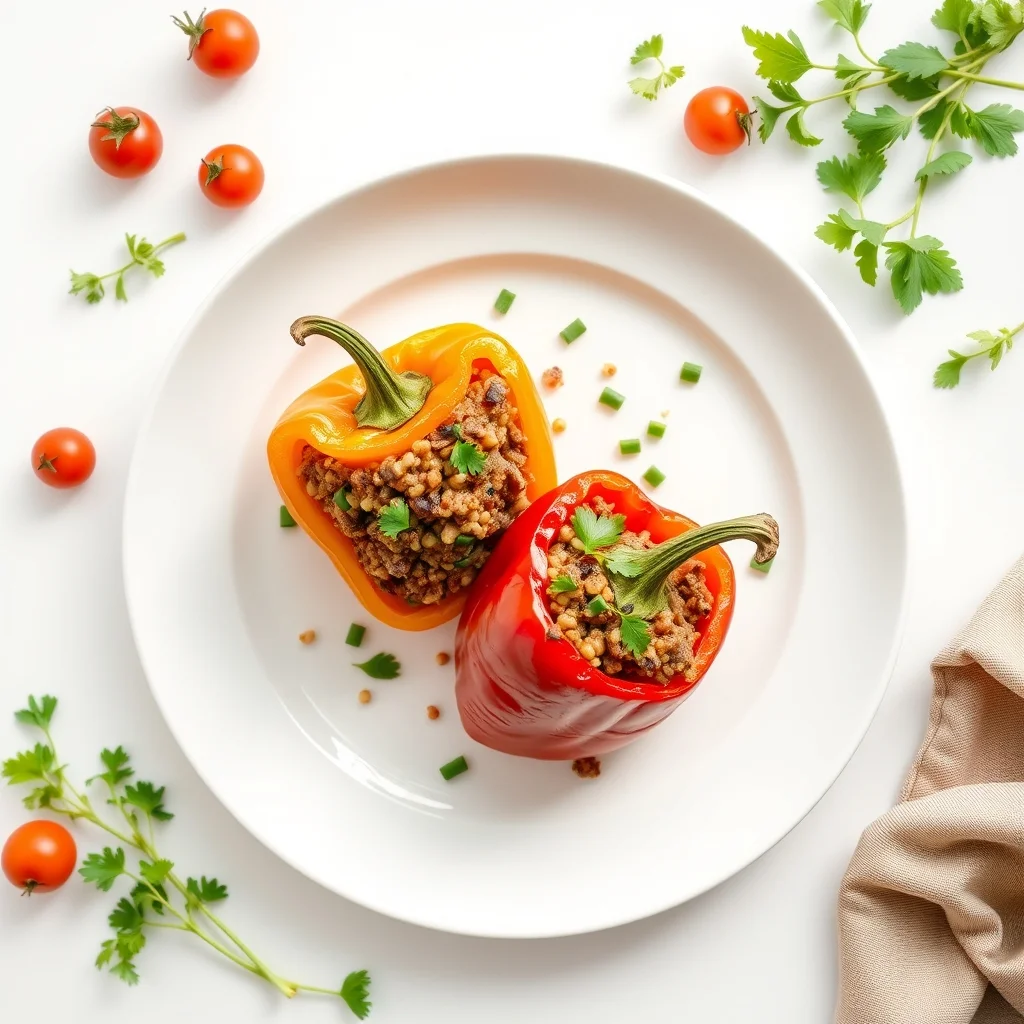 Dinner
Vibrant Beef and Quinoa Stuffed Peppers
Delicious Vibrant Beef and Quinoa Stuffed Peppers

Lucy
I cook these recipes at home before they ever land here — simple ingredients, clear steps.