Perfect Maple Roasted Acorn Squash Recipe
 Save
Save
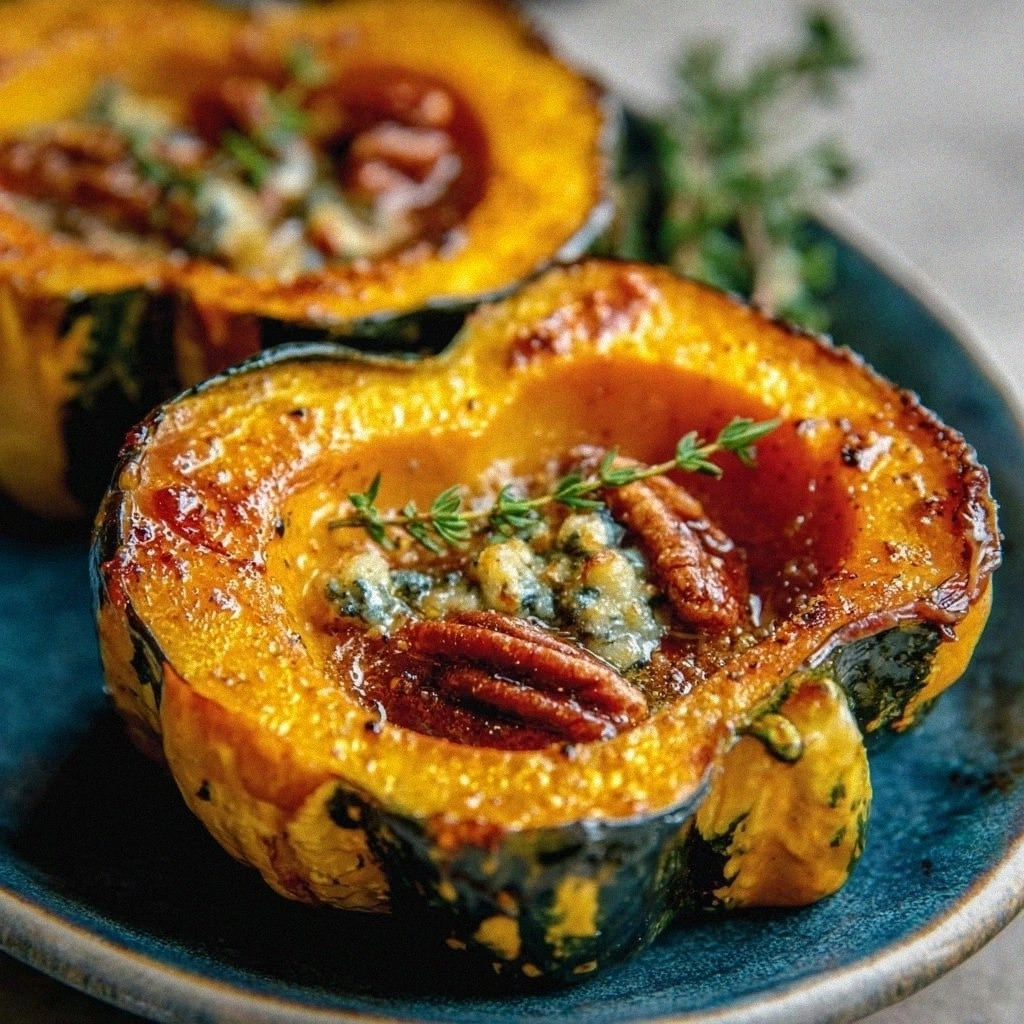
It was a crisp Saturday morning in late October when I first discovered the magic of maple‑glazed acorn squash. I was standing in my tiny kitchen, the windows fogged with the breath of a chilly breeze, and the scent of falling leaves wafted in as I sliced the first squash in half. The moment I lifted the lid off the roasting pan, a cloud of caramel‑sweet steam hit me, wrapping the room in a warm, buttery hug that reminded me of grandma’s kitchen during the holidays. I remember thinking, “This could be the star of every dinner table,” and that spark of curiosity turned into a family tradition that I’m thrilled to share with you today.
What makes this recipe truly special is the balance between the natural earthiness of the acorn squash and the bright, amber notes of pure maple syrup. The butter and brown sugar create a glossy coating that caramelizes perfectly, while a whisper of cinnamon and nutmeg adds a cozy spice that feels like a hug on a cold day. The result? A dish that is simultaneously sweet, savory, and comforting—so versatile it can stand alone as a side, shine as a vegetarian main, or even become a festive appetizer for holiday gatherings. Have you ever wondered why restaurant versions taste so different? The secret lies in the precise timing and the quality of each ingredient, which I’ll reveal in the steps ahead.
But wait—there’s a hidden trick that transforms a good squash into an unforgettable one, and it only appears in step four of the method. I won’t spill the beans just yet, because the journey of preparing this dish is half the fun. As you read on, you’ll discover why a simple splash of butter does more than add richness; it actually helps the maple glaze cling to the flesh, ensuring every bite bursts with flavor. Trust me, once you’ve mastered this, you’ll never look at a squash the same way again.
Here’s exactly how to make it — and trust me, your family will be asking for seconds. Grab your apron, preheat the oven, and let’s dive into a recipe that feels like a hug in a bowl. The steps are easy to follow, the ingredients are pantry‑friendly, and the payoff is pure culinary joy. Ready? Let’s get started and turn those humble acorn squashes into the centerpiece of your next meal.
🌟 Why This Recipe Works
- Flavor Depth: The combination of maple syrup and brown sugar creates a layered sweetness that deepens as the squash caramelizes, giving you that complex, almost nutty flavor profile that keeps people reaching for more.
- Texture Contrast: Roasting the squash until the edges are caramel‑crisp while the interior stays buttery soft provides a delightful mouthfeel that satisfies both crunchy and creamy cravings.
- Ease of Execution: With just a handful of ingredients and a single pan, this dish requires minimal prep and cleanup, making it perfect for busy weeknights or relaxed weekend meals.
- Time Efficiency: In under an hour you go from raw squash to a golden, fragrant side that looks as impressive as it tastes, fitting neatly into most dinner timelines.
- Versatility: The base recipe is a canvas; you can add nuts, herbs, or even a splash of orange juice to tailor it to any cuisine or seasonal theme.
- Nutrition Boost: Acorn squash is rich in fiber, potassium, and vitamin A, while the maple syrup adds antioxidants, making this dish both delicious and nourishing.
- Crowd‑Pleasing Factor: Sweet and savory flavors appeal to kids and adults alike, and the beautiful orange‑gold hue adds visual appeal to any plate.
🥗 Ingredients Breakdown
The Foundation
Acorn squash is the star of this dish, and choosing the right ones makes all the difference. Look for squashes that feel heavy for their size, with a deep, glossy rind that’s free of soft spots or cracks. The flesh should be a bright orange‑gold, indicating high beta‑carotene content, which not only adds nutrition but also a vibrant color that makes the final plate pop. If you can, pick organic squashes; the natural sweetness is more pronounced, and you avoid any lingering pesticide taste.
Aromatics & Spices
The duo of ground cinnamon and nutmeg brings warmth and depth, echoing the flavors of classic autumn desserts without overwhelming the squash’s natural taste. These spices are potent, so a little goes a long way—just half a teaspoon of cinnamon and a quarter teaspoon of nutmeg are enough to perfume the dish. If you’re allergic to nutmeg, a pinch of ground ginger works as a lovely substitute, adding a gentle zing that complements the maple.
The Secret Weapons
Pure maple syrup is the sweetener that elevates this recipe from ordinary to extraordinary. Its complex, caramel‑like notes mingle with the brown sugar’s molasses richness, creating a glaze that clings beautifully to the squash. Unsalted butter, melted and brushed on, acts as a flavor carrier and helps the glaze achieve that glossy, caramelized sheen. Remember, the butter should be melted but not hot, or it could melt the sugar too quickly, leading to a gritty texture.
Finishing Touches
A pinch of sea salt and freshly ground black pepper balances the sweetness, enhancing the natural flavors of the squash while preventing the dish from tasting cloyingly sweet. Salt also helps draw out moisture, allowing the edges to crisp up nicely. If you love a little heat, a dash of cayenne pepper or a sprinkle of smoked paprika can add a subtle kick that pairs beautifully with the maple glaze.
With your ingredients prepped and ready, let's get cooking. Here's where the fun really begins…
🍳 Step-by-Step Instructions
🔐 Expert Tips for Perfect Results
The Taste Test Trick
Before you commit the squash to the oven, dip a tiny spoonful of the glaze into a piece of the raw flesh. If the mixture spreads smoothly and the flavors meld instantly, you’re good to go; if it’s too thick, a splash of warm water or extra butter will loosen it. This quick test saves you from a glaze that’s either too runny or too stiff once baked.
Why Resting Time Matters More Than You Think
Allowing the squash to rest after roasting isn’t just about temperature; it’s about letting the sugars re‑absorb into the flesh, creating a more uniform sweetness throughout. I once served the dish straight out of the oven, and the center tasted a bit bland compared to the caramelized edges. A five‑minute pause makes every bite consistently flavorful.
The Seasoning Secret Pros Won’t Tell You
A pinch of smoked sea salt adds a subtle depth that mimics the taste of a wood‑fire oven, even if you’re using a conventional electric one. I discovered this trick while watching a chef on a cooking show, and it instantly upgraded my roasted vegetables. Try it next time and notice the difference.
The Best Way to Keep It Moist
If you’re planning to keep leftovers, store the squash in an airtight container with a thin layer of the remaining glaze on top. The glaze acts as a moisture barrier, preventing the flesh from drying out. When reheating, add a splash of water or broth and cover loosely with foil to steam it back to perfection.
How to Turn It Into a Full Meal
Add a protein like pan‑seared tofu, grilled chicken, or a hearty chickpea salad on the side, and you have a balanced plate. I love tossing a handful of arugula tossed in lemon vinaigrette over the warm squash for a fresh, peppery contrast. The possibilities are endless, and each addition brings its own texture and flavor dimension.
🌈 Delicious Variations to Try
One of my favorite things about this recipe is how versatile it is. Here are some twists I've tried and loved:
Maple‑Pecan Crunch
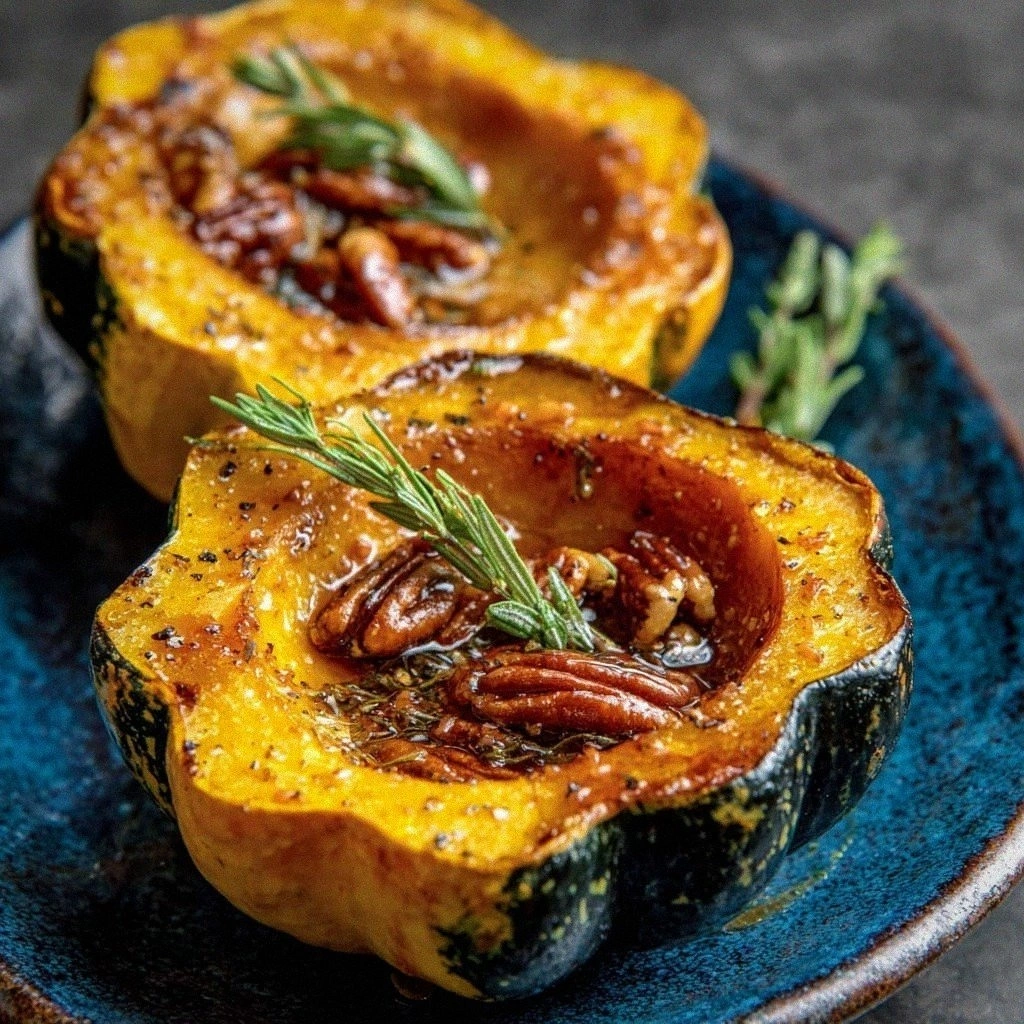
Swap the toasted seeds for roughly chopped pecans, and drizzle a little extra maple syrup before the final bake. The nuts add a buttery crunch that pairs beautifully with the sweet glaze, creating a dessert‑like side that’s perfect for Thanksgiving.
Spicy Chili‑Maple Fusion
Add a teaspoon of chipotle chili powder to the glaze for a smoky heat that cuts through the sweetness. This variation is a hit with anyone who loves a sweet‑and‑spicy combo, and it works great alongside grilled meats.
Citrus‑Maple Zest
Incorporate the zest of one orange and a tablespoon of orange juice into the glaze. The citrus brightens the dish, making it feel lighter and perfect for spring or summer gatherings.
Herb‑Infused Maple
Stir in a tablespoon of finely chopped fresh rosemary or thyme into the glaze before brushing. The herbaceous notes add an earthy aroma that elevates the dish to a more sophisticated level.
Savory Cheese Topping
During the last five minutes of roasting, sprinkle crumbled feta or goat cheese over the squash. The cheese melts slightly, adding a tangy contrast that balances the sweet maple beautifully.
📦 Storage & Reheating Tips
Refrigerator Storage
Allow the roasted squash to cool to room temperature, then transfer it to an airtight container. It will keep fresh for up to 4 days. For best texture, store the glaze separately and re‑apply before reheating.
Freezing Instructions
Portion the cooked squash halves onto a parchment‑lined tray and flash‑freeze for 2 hours. Once solid, move them into a freezer‑safe zip‑lock bag. They’ll stay good for up to 3 months. When you’re ready to eat, thaw overnight in the fridge and reheat as described below.
Reheating Methods
To reheat without drying out, place the squash on a baking sheet, brush with a little extra melted butter or a splash of broth, and warm in a 350°F (175°C) oven for 15‑20 minutes. Alternatively, microwave on medium power for 2‑3 minutes, covered with a damp paper towel to retain moisture. The trick to reheating without drying it out? A splash of water or broth and a gentle cover.
❓ Frequently Asked Questions
Can I use a different type of squash?
What if I don’t have pure maple syrup?
Do I need to peel the acorn squash?
Can I make this recipe vegan?
How do I prevent the glaze from burning?
Can I add a protein to the same pan?
What’s the best way to serve this dish?
Can I freeze the glaze separately?
To serve, drizzle any remaining glaze from the pan over the top of each half, then garnish with the toasted seeds and an extra sprinkle of fresh black pepper if you like a subtle heat. The glossy glaze adds a beautiful sheen, while the seeds provide a satisfying crunch with each bite.
Finally, present the roasted acorn squash on a warm platter, allowing the vibrant orange‑gold color to be the star of your table. Pair it with roasted chicken, a grain bowl, or enjoy it as a standalone vegetarian main. Go ahead, take a taste — you’ll know exactly when it’s right.
Similar Recipes
 Appetizers
Crispy Air Fryer Garlic Potato Cubes
Delicious Crispy Air Fryer Garlic Potato Cubes
 Appetizers
Crispy Herb Cheese & Cracker Bites
Delicious Crispy Herb Cheese & Cracker Bites
 Appetizers
Overnight Oats with Almond Butter and Banana
Learn how to make delicious Overnight Oats with Almond Butter and Banana. Easy recipe with step-by-step…
 Appetizers
Tantalizing Spicy Tuna Avocado Salad Cups
Delicious Tantalizing Spicy Tuna Avocado Salad Cups
 Appetizers
Cheesy Cauliflower Cloud Tots: The Ultimate Guilt-Free Snack
Delicious Cheesy Cauliflower Cloud Tots: The Ultimate Guilt-Free Snack
 Appetizers
Mango Habanero Honey Garlic Sauce
Learn how to make delicious Mango Habanero Honey Garlic Sauce. Easy recipe with step-by-step instructions.
 Appetizers
Irresistible Savory Garlic and Parmesan Sweet Potato Wedges
Learn how to make delicious Irresistible Savory Garlic and Parmesan Sweet Potato Wedges. Easy recipe with…
 Appetizers
Zesty Jalapeño Popper Dip: A Flavorful Appetizer Experience
Delicious Zesty Jalapeño Popper Dip: A Flavorful Appetizer Experience

Lucy
I cook these recipes at home before they ever land here — simple ingredients, clear steps.